Branding iron designs sets the stage for this enthralling narrative, offering readers a glimpse into a story that is rich in detail and brimming with originality from the outset.
These tools have been pivotal in marking ownership and identity across various industries, serving not only as a symbol of quality but also as a powerful branding instrument. From historical applications in livestock to modern-day uses in artisanal crafts, branding irons encapsulate a blend of tradition and innovation that continues to evolve.
Branding Iron Concepts
Branding irons have been used for centuries as a method of imprinting a mark on various materials. The fundamental concept revolves around creating a distinctive symbol or logo that represents a brand, product, or ownership. The significance of branding irons extends beyond mere decoration; they serve as a powerful tool for identity, authenticity, and quality assurance in various industries.Branding irons are versatile tools utilized across a range of sectors, including agriculture, manufacturing, and arts.
They are primarily employed to leave a permanent mark on items such as leather, wood, and metal, ensuring that products are easily identifiable and traceable back to their origins. This practice not only reinforces brand loyalty but also serves as a deterrent against counterfeiting.
Different Uses of Branding Irons in Various Industries
Branding irons find application in multiple industries, each leveraging the tool for distinct purposes. Below are some notable examples of their usage:
- Livestock and Agriculture: Branding irons are predominantly used in ranching to identify livestock ownership. The branding process ensures that animals are easily recognized, preventing theft and disputes.
- Craftsmanship and Woodwork: Artisans use branding irons to imprint logos or signatures onto handmade products. This not only enhances the aesthetic appeal but also adds a touch of authenticity to the craftsmanship.
- Food and Beverage Industry: Restaurants and breweries often use branding irons to mark their signature dishes or drinks, creating a unique presentation that enhances the dining experience.
- Promotional Items: Businesses frequently utilize branding irons to personalize merchandise, ensuring that their brand is effectively showcased during events or promotions.
Historical Significance and Evolution of Branding Irons
Branding irons have a rich history, dating back to ancient civilizations where they were used to signify ownership or mark property. Over time, their application has evolved significantly. In the Middle Ages, branding irons were commonly used for livestock and were often accompanied by intricate designs that represented family lineage or estate ownership.The evolution continued with the advent of the Industrial Revolution, during which branding irons began to be manufactured using metals and heated more efficiently, allowing for more intricate designs and quicker application.
The branding technique helped to establish brand recognition in burgeoning markets, playing a crucial role in the rise of consumer goods.
“The branding iron serves as a tangible representation of a brand’s identity, ensuring that quality and ownership are both highlighted.”
As technology continues to advance, modern branding irons now incorporate innovative features such as adjustable temperatures and customizable designs, expanding their utility across various sectors. This evolution signifies not only the importance of branding in contemporary business but also the enduring legacy of branding irons as a vital branding tool.
Types of Branding Irons
Branding irons are essential tools for marking or branding various materials, especially in industries like agriculture, woodworking, and manufacturing. Understanding the different types of branding irons available can help businesses and artisans choose the right one for their specific branding needs.Branding irons come in various forms, each designed to cater to specific applications and preferences. The effectiveness of a branding iron largely depends on its type, the material it is used on, and the desired branding outcome.
Here’s a closer look at the different types of branding irons and their respective characteristics.
Types of Branding Irons
There are three primary types of branding irons: custom branding irons, pre-made branding irons, and electric branding irons. Each type serves distinct purposes and offers unique advantages.
- Custom Branding Irons: These are tailor-made to meet specific branding requirements. Businesses can design their own logos or text, ensuring that the branding is unique and recognizable. Custom branding irons are often made from high-quality materials and can be used on various surfaces, including leather, wood, and metals.
- Pre-Made Branding Irons: Available in standard designs and sizes, pre-made branding irons are ready to use off the shelf. They are cost-effective and can be ideal for small businesses or individuals who don’t require a unique branding design. Pre-made irons are typically made of durable metals, suitable for a wide range of materials.
- Electric Branding Irons: These branding irons are powered by electricity and can reach higher temperatures quickly, making them efficient for mass production. Electric branding irons often come with adjustable temperature settings, allowing users to brand multiple materials effectively. They are commonly used in commercial settings where speed and consistency are crucial.
Effectiveness in Branding Outcomes
The effectiveness of branding irons can vary based on the type and materials used. Custom branding irons provide the highest level of brand recognition since they are tailored for specific logos or designs, making them crucial for establishing a unique brand identity. Pre-made branding irons are effective for simple branding tasks but may not offer the same level of customization.
They are efficient for small-scale operations looking for cost-effective solutions. Electric branding irons, on the other hand, excel in high-volume scenarios, delivering consistent and professional results, especially on harder materials that require more heat.
Materials Used in Manufacturing Branding Irons
The choice of material in branding iron manufacturing plays a significant role in determining the durability and effectiveness of the iron. Common materials include:
- Steel: The most common material, known for its strength and ability to retain heat well. Steel branding irons can withstand high temperatures, making them ideal for various applications.
- Brass: Often used for custom branding irons, brass has excellent thermal conductivity, allowing for even heating and detailed impressions. It is particularly favored for leather and wood branding.
- Aluminum: Lightweight and resistant to rust, aluminum branding irons are suitable for less intensive branding tasks. They are often used for small-scale projects and can be made into custom designs.
- Cast Iron: Known for its durability, cast iron branding irons are used for heavy-duty tasks. They provide deep, clear impressions, making them ideal for branding on tougher materials.
Custom Branding Iron Designs
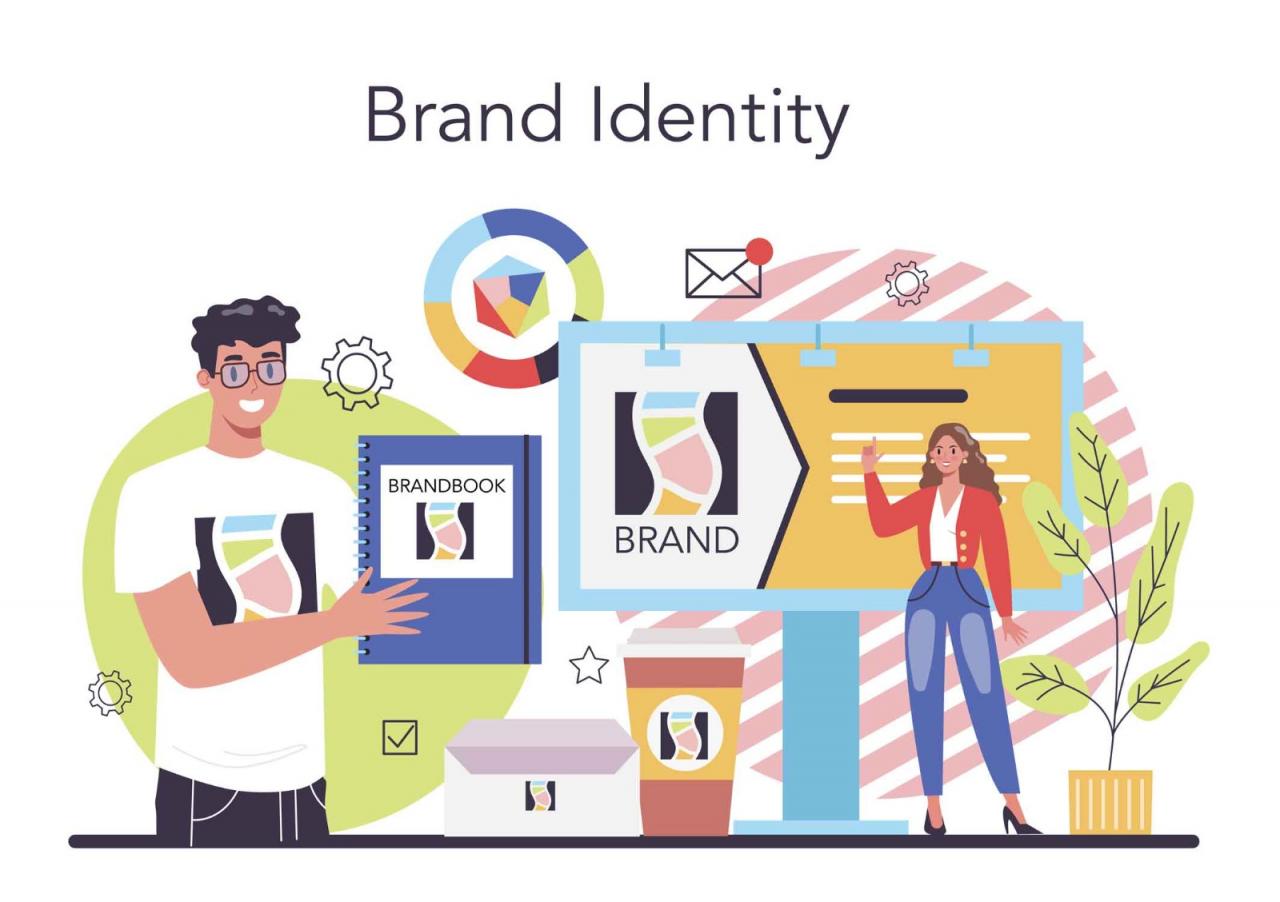
Creating a custom branding iron is an exciting process that allows businesses and artisans alike to leave a lasting mark on their products. This personalized touch not only enhances brand identity but can also evoke emotions and facilitate recognition among customers. The journey from concept to execution involves several essential steps, ensuring that the final product is a true representation of the brand’s ethos and values.To create a custom branding iron design, it is important to follow a structured approach that includes conceptualization, design refinement, and physical production.
Here are the detailed steps involved in this creative process:
Steps in Creating Custom Branding Iron Designs
The process of designing custom branding irons requires careful planning and execution. Below are the key steps in the journey from an initial idea to a finished product.
- Conceptualization: The first step involves brainstorming ideas that reflect the brand’s identity. This could include logos, initials, or symbols that resonate with the target audience.
- Design Drafting: Using design software, create initial drafts of the branding iron. This allows for experimentation with different styles, fonts, and layouts.
- Refinement: Solicit feedback on the draft designs. Adjust details based on constructive input, ensuring the design is both visually appealing and functional.
- Finalization: Once the design has been perfected, finalize it by preparing the specifications needed for production, including dimensions and material choices.
- Production: The branding iron is then manufactured using techniques like laser engraving or traditional forging, depending on the desired quality and finish.
- Testing: After production, test the branding iron on various materials to ensure that it produces a clear and consistent mark.
Examples of Unique Branding Iron Designs
Unique branding iron designs can significantly differentiate a brand in a competitive market. Several examples illustrate the creativity and application of personalized branding irons:
Unique designs can elevate a brand’s visibility and foster customer loyalty.
1. Personalized Monograms
Many artisan businesses opt for monogram branding irons that feature their initials elegantly intertwined. This not only personalizes their offerings but also represents a mark of quality.
2. Artistic Logos
Companies like craft breweries often utilize intricate logos on their branding irons. The detailed design enhances the aesthetic appeal of their products, such as beer glasses or wooden barrels.
3. Seasonal Themes
Seasonal branding irons are used by businesses for holiday-specific promotions. For instance, a bakery might create a special branding iron with a pumpkin design for autumn-themed pastries.
4. Industry-Specific Designs
Leather goods manufacturers often use branding irons that feature tools or motifs related to their craft. For example, a saddle maker may include a horse silhouette, connecting the brand to its heritage.
Importance of Personalization in Branding
Personalization plays a crucial role in branding, particularly in establishing connections with customers. Custom branding irons serve as a powerful medium for this personalization. Here are some key reasons why personalization is important:
Personalized branding fosters customer engagement and builds brand loyalty.
Emotional Connection
Customized branding creates a sense of belonging among customers. For example, a bespoke furniture maker using personalized branding irons on their products cultivates a unique bond with clients who appreciate craftsmanship.
Differentiation
In saturated markets, personalized branding can set a business apart. A coffee shop that uses unique branding irons for their merchandise can attract more customers seeking a distinctive experience.
Brand Recognition
Consistent use of personalized branding irons reinforces brand identity. This makes it easier for customers to recognize and remember the brand, even in crowded retail spaces.
Value Addition
Personalized products often come with a higher perceived value. This can lead to increased customer satisfaction and loyalty, as seen in the custom jewelry market where each piece is uniquely branded to reflect individual styles.By focusing on custom branding iron designs, businesses not only enhance their product offerings but also cultivate a deeper connection with their audience, making personalization a cornerstone of effective branding strategy.
Branding Iron Maintenance
Proper maintenance of branding irons is essential for ensuring their longevity and effectiveness. Just like any tool, branding irons require care to perform well and to prevent deterioration over time. By adopting the right techniques, users can keep their branding irons in top condition, ensuring clear and consistent impressions with every use.Maintaining branding irons involves several techniques that vary depending on the type of branding iron, whether it be electric, gas, or traditional hot branding.
Each type has its specific needs for cleaning and upkeep, which must be addressed to avoid common issues that arise during usage. These issues include rust, buildup of residue, and poor heating, which can hinder the branding process.
Maintenance Techniques for Different Types of Branding Irons
It’s vital to incorporate specific maintenance techniques tailored to the type of branding iron you are using. Here are some recommended practices:
- Electric Branding Irons: Regularly check the electrical connections and inspect for any signs of wear. Clean the heating element with a soft cloth after each use to avoid residue buildup.
- Gas Branding Irons: After each use, ensure to turn off the gas supply and allow the iron to cool completely. Clean the branding plate with a wire brush to remove any residue.
- Hot Branding Irons: Maintain the iron by heating it properly before each use. Clean with a damp cloth while it’s still warm to remove any burnt material.
Common Issues and Solutions
Understanding common issues encountered during branding can help in maintaining the effectiveness of your branding irons. Here are some frequent problems along with their solutions:
- Rust Formation: To prevent rust, store your branding iron in a dry place. If rust appears, use fine-grit sandpaper to gently remove it.
- Uneven Heating: If the branding iron isn’t heating evenly, check the power source or ensure the heating element is clean and free of debris.
- Residue Buildup: Regular cleaning after each use minimizes residue. Use appropriate cleaning solutions to dissolve any stubborn buildup.
Recommended Cleaning Supplies and Methods
To keep branding irons in optimal condition, a selection of cleaning supplies and methods is essential. Below is a table outlining recommended materials and their uses:
| Cleaning Supply | Purpose | Method |
|---|---|---|
| Soft Cloth | General cleaning | Wipe branding plate after use to remove residue. |
| Wire Brush | Remove stubborn residue | Gently scrub the branding plate while cool to avoid damage. |
| Fine-Grit Sandpaper | Rust removal | Gently sand off rust spots when they appear. |
| Damp Cloth | Quick clean | Use while warm to wipe away any burnt materials. |
| Non-Corrosive Cleaner | Deep cleaning | Apply to the branding plate with a cloth for heavy buildup. |
Regular maintenance ensures that your branding iron remains effective and can produce high-quality impressions for years to come.
Branding Strategies
In the realm of branding, branding irons serve as unique tools that can significantly enhance a company’s identity. They embody a physical representation of a brand’s values and can create memorable impressions on customers. Integrating branding irons into a broader branding strategy can lead to innovative marketing opportunities that resonate with audiences.Using branding irons strategically can reinforce brand recognition and loyalty.
By incorporating them into promotional events, product launches, or even everyday branding efforts, businesses can create a cohesive image that reflects their brand ethos. For instance, a restaurant might brand its signature dishes with a custom branding iron that features its logo, creating a visual connection between the food and the brand itself.
Integration of Branding Irons in Branding Strategies
Integrating branding irons into a comprehensive branding strategy involves several key factors that enhance brand visibility and customer engagement. Here’s how businesses can effectively utilize branding irons in their overall marketing approach:
- Promotional Events: Incorporating branding irons in events such as fairs or festivals allows brands to engage directly with consumers. By branding products on-site, they create a memorable experience tied to the brand’s image.
- Product Customization: Offering branded products that feature a company logo can lead to increased brand loyalty. Consumers appreciate personalized items, enhancing their connection to the brand.
- Social Media Campaigns: Using visuals of branded products on social media helps build a narrative around the brand. High-quality images of products branded with unique designs can be shared to attract attention.
- Corporate Gifting: Branded items are often appreciated as gifts, especially when they reflect quality craftsmanship. Using branding irons to personalize gifts can leave a lasting impression on clients and partners.
- Unique Selling Proposition (USP): Branding irons can be leveraged to emphasize a brand’s uniqueness. For instance, a craft brewery might use branding irons to showcase the artisanal nature of their products, differentiating themselves in a crowded market.
Case Studies of Successful Branding Campaigns
Numerous brands have effectively utilized branding irons to enhance their marketing strategies, yielding significant results. Here are examples of successful campaigns:
- Smith & Sons BBQ: This barbecue restaurant used branding irons to imprint their logo onto buns and meats during a local food festival. This not only attracted attention but also made their brand recognizable among attendees, leading to a 30% increase in foot traffic post-event.
- Craft Beer Co: A local brewery featured branding irons with their logo during beer tastings, branding coasters and glasses. The unique experience and visuals shared online resulted in a social media buzz, increasing their followers by 150% over three months.
- Artisan Chocolates: A chocolatier employed branding irons to imprint designs on their chocolate bars, aligning with their premium branding strategy. The visual appeal of uniquely branded chocolates helped them gain traction in retail and online platforms, boosting sales by 40% within six months.
Enhancing Brand Visibility with Branding Irons
Utilizing branding irons can significantly enhance a brand’s visibility across various marketing materials. The following strategies illustrate how branding irons can be effectively implemented to improve brand recognition:
- In-Store Displays: Using branding irons to create visually striking displays can draw customers’ attention. Customized branding on shelves or counters can enhance the shopping experience and reinforce brand identity.
- Merchandising: Items branded with a company logo can be sold or given away, increasing brand exposure. High-quality merchandise featuring unique designs can create a desire for ownership among consumers.
- Packaging: Incorporating branding irons into packaging design, such as custom seals or labels, can elevate the unboxing experience. A branded package can leave a lasting impression and encourages repeat purchases.
- Trade Shows: Branding irons can be a central part of a trade show booth, allowing for live demonstrations. Engaging potential customers with personalized items on the spot can create a memorable experience linked to the brand.
“Branding is not just a logo; it’s a reflection of the values, vision, and experiences of your business.”
Future Trends in Branding Irons
As the branding iron industry evolves, new trends and technologies are emerging that will shape the future of branding. Innovations in design, materials, and techniques are paving the way for more efficient and effective branding solutions. Understanding these trends is essential for businesses looking to stay competitive and responsive to market demands.One major trend is the increasing use of digital technologies in manufacturing branding irons.
This includes the adoption of laser engraving and 3D printing, which allow for greater precision and customization in branding iron designs. These technologies enable businesses to create intricate patterns and logos that were previously difficult to achieve with traditional methods. Additionally, advancements in materials, such as heat-resistant polymers and lightweight metals, are making branding irons more durable and easier to handle.
Innovations in Branding Irons
The branding iron industry is likely to see several key innovations that could revolutionize the way branding is done. These innovations include:
Smart Branding Irons
Incorporating IoT (Internet of Things) technology, smart branding irons could allow users to control temperature and timing via a mobile app. This would enhance precision and reduce the risk of damage to the material being branded.
Eco-Friendly Materials
As sustainability becomes a larger focus across industries, branding irons made from recyclable or biodegradable materials could emerge. This would cater to environmentally conscious consumers and businesses.
Modular Designs
Future branding irons may feature modular components that allow for easy customization and maintenance. Users could switch out parts for different branding needs or replace components without needing to purchase a whole new iron.
Potential Market Opportunities
Emerging industries present numerous market opportunities for branding iron use. These opportunities span various sectors, highlighting the versatility of branding technology. The following list Artikels potential areas for growth:
Craft Brewing
With the rise of craft breweries, branding irons can be used to label barrels and wooden crates, adding a personal touch that resonates with consumers.
Personalized Merchandise
E-commerce platforms focusing on personalized products can utilize branding irons to create unique items, enhancing customer experience and loyalty.
Artisanal Foods
Small-scale food producers may use branding irons to mark their products, such as cheeses or meats, creating a distinctive identity and storytelling element.
Furniture Design
As custom furniture becomes more popular, branding irons can serve as a way to brand bespoke pieces, allowing artisans to showcase their craftsmanship.
Event Signage
For weddings and corporate events, branding irons can be used to create personalized signage, adding an exclusive feel to any occasion.
“The future of branding irons lies in the intersection of technology and personalization, where the ability to innovate will drive market growth.”
Conclusive Thoughts
In summary, branding irons are more than just simple tools; they represent a deep-rooted tradition of branding that has transformed with time. As we look forward, the potential for unique, personalized designs and advancements in technology hints at a bright future for branding iron applications. By embracing these innovations, businesses can enhance their branding strategies and ensure their identity remains unforgettable.
Top FAQs
What materials are commonly used for branding irons?
Branding irons are typically made from metal, such as brass or steel, due to their durability and ability to retain heat.
How do I clean my branding iron?
Cleaning can be done using a wire brush or cloth after cooling, along with mild soap and water to remove residue.
Can branding irons be used on food?
Yes, there are food-safe branding irons available that can be used on bread, cheese, and other food items, but they must be specifically designed for that purpose.
Are electric branding irons better than traditional ones?
Electric branding irons provide consistent heat and ease of use but may lack the traditional appeal of manual branding irons.
How long does a branding iron last?
With proper care and maintenance, a branding iron can last many years, making it a worthwhile investment for branding.