April 19, 2026

Cryptocurrency

Beginning with crypto coins examples, the narrative unfolds in a compelling and distinctive manner, drawing readers into a story that promises to be both engaging and uniquely memorable.

Crypto coins have emerged as a significant component of the modern digital economy, functioning not only as a medium of exchange but also as investment assets. This guide explores various types of crypto coins, including well-known examples like Bitcoin and Ethereum, while also shedding light on emerging coins and the considerations investors should keep in mind.

Definition of Crypto Coins

Cryptocurrency Various Types Coins Available One Stock Photo 1992846101 ...

Crypto coins have emerged as a significant part of the digital economy, representing a new form of currency that operates on blockchain technology. Unlike traditional currencies, crypto coins are decentralized and rely on cryptographic methods to secure transactions. They serve various roles, from enabling peer-to-peer transactions to functioning as investment assets. Major examples of crypto coins include Bitcoin, which is often viewed as digital gold, and Ethereum, which facilitates smart contracts and decentralized applications.

It’s essential to differentiate between crypto coins and tokens; while both utilize blockchain technology, crypto coins typically serve as a form of currency, whereas tokens may represent assets or utilities within a specific platform.

Types of Crypto Coins

There are several categories of crypto coins, each with distinctive characteristics that define their use cases. Understanding these types is crucial for investors and users alike.

  • Utility Coins: These coins provide users with access to a product or service within a specific platform. An example is the Binance Coin (BNB), which is used to pay transaction fees on the Binance exchange.
  • Security Coins: Typically representing an investment in a company or project, security coins often come with regulatory oversight. An example is Polymath, designed to facilitate the creation of security tokens.
  • Stablecoins: These are pegged to traditional currencies to maintain a stable value. Tether (USDT) is a widely used stablecoin, providing a bridge between fiat money and cryptocurrencies.
Type Characteristics Use Cases
Utility Coin Access to services or products Transaction fees, rewards
Security Coin Investment representation Equity shares, dividends
Stablecoin Stable value against fiat Trading pairs, remittances

Popular Crypto Coins Examples

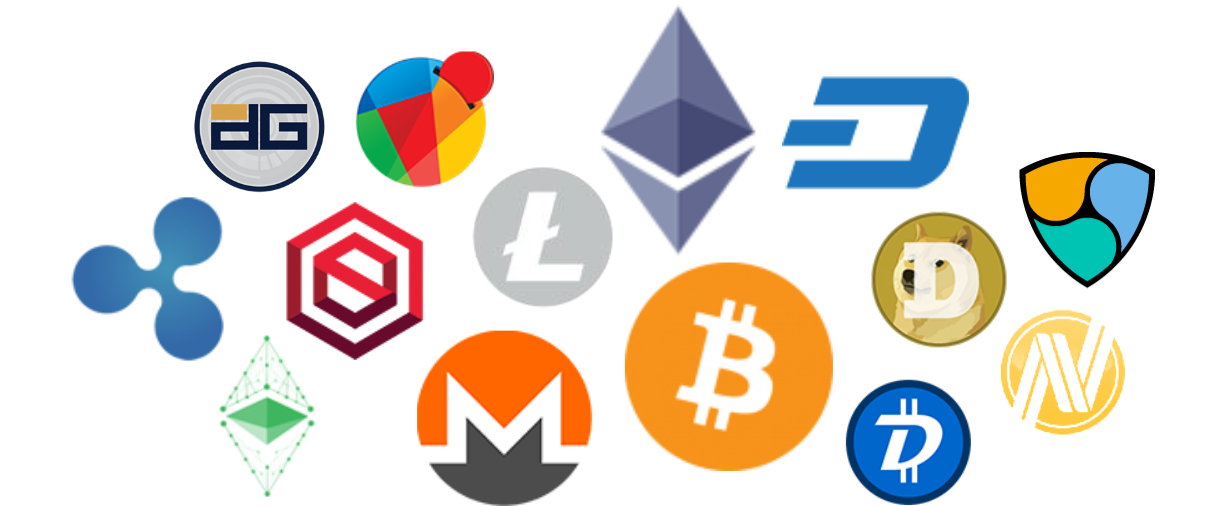
15 Most Popular Types Of Cryptocurrencies - Crypto Legacy

Several crypto coins have become well-known due to their unique features and market performance. Bitcoin, Ethereum, and Ripple (XRP) are among the leaders in the crypto space.

  • Bitcoin (BTC): As the first and largest cryptocurrency by market capitalization, Bitcoin is often regarded as a store of value, akin to gold.
  • Ethereum (ETH): Known for its smart contract functionality, Ethereum allows developers to build decentralized applications, making it a versatile platform in the crypto ecosystem.
  • Ripple (XRP): Focused on facilitating international payments, Ripple aims to provide fast and low-cost cross-border transactions for financial institutions.

“In the past year, Bitcoin has seen significant growth, with a market performance increase of over 200%.”

Market Performance Highlights

  • Bitcoin’s market cap reached over $1 trillion.
  • Ethereum experienced a surge, rising above $4,000 per coin.
  • Ripple saw fluctuating performance but maintained a strong position in the payments sector.

Emerging Crypto Coins

The crypto market is continuously evolving, with new coins emerging that show potential for significant growth. These coins often present unique propositions that differentiate them from established players.

  • Solana (SOL): Known for its high transaction speed and low fees, Solana is gaining traction among developers for building decentralized applications.
  • Cardano (ADA): With a strong emphasis on sustainability and scalability, Cardano aims to offer a more energy-efficient blockchain solution.
  • Polkadot (DOT): This multi-chain network facilitates communication between different blockchains, enhancing interoperability.
Coin Market Cap Launch Date
Solana (SOL) $10 billion March 2020
Cardano (ADA) $20 billion September 2017
Polkadot (DOT) $30 billion May 2020

Risks and Benefits of Investing in Crypto Coins

Investing in crypto coins comes with both risks and benefits that potential investors should consider. The volatile nature of the market can lead to significant financial gains, but it also poses risks.

  • Risks: Price volatility, regulatory changes, security vulnerabilities, and lack of consumer protection can affect investments.
  • Benefits: Diversification, potential for high returns, accessibility, and the ability to participate in innovative technologies are key advantages.

“Recent statistics show that the crypto market has seen a 300% increase in investments over the last two years.”

How to Choose the Right Crypto Coin

Selecting the right crypto coin for investment requires careful consideration of various criteria. Investors should focus on market research and analysis to make informed decisions.

  • Market Capitalization: A higher market cap often indicates stability and investor confidence.
  • Project Fundamentals: Assessing the team behind the project, its technology, and use case is crucial.
  • Community Support: Active communities often signify a healthy project with potential for growth.

Resources for Investors

  • Cryptocurrency exchanges for trading.
  • Market analysis tools such as CoinMarketCap or CoinGecko.
  • Social media platforms and forums for community insights.

Future of Crypto Coins

The future of crypto coins is likely influenced by emerging trends and innovations. Anticipated advancements in technology and regulation will shape the landscape of the crypto market.

  • Increased adoption of cryptocurrencies by mainstream institutions.
  • Improvements in blockchain technology leading to faster transactions.
  • Potential regulatory frameworks that provide clarity and security for investors.

“Technological innovations, such as layer-2 solutions, are expected to enhance the scalability of blockchain networks.”

End of Discussion

As we conclude this exploration of crypto coins examples, it becomes clear that understanding the diverse types of coins available and their respective functionalities is crucial for navigating the digital currency landscape. With the right knowledge and tools, investors can make informed decisions that align with their financial goals.

FAQ

What are crypto coins?

Crypto coins are digital currencies that use cryptography for security and operate on decentralized networks, primarily blockchains.

How do crypto coins differ from tokens?

Crypto coins operate on their own blockchain, while tokens are created on existing blockchains and can represent various assets or utilities.

What types of crypto coins are there?

Common types include utility coins, security coins, and stablecoins, each serving different purposes in the cryptocurrency ecosystem.

Are crypto coins a good investment?

While they have high potential returns, crypto coins also come with significant risks, so thorough research and risk management are essential.

What are some examples of emerging crypto coins?

Emerging coins often include newer projects with innovative technologies or use cases that differentiate them from established coins.

London is rapidly transforming into a global hub for cryptocurrency companies, offering a vibrant ecosystem for innovation and investment. The city’s unique blend of financial expertise, technological advancement, and regulatory evolution is attracting a diverse range of players looking to capitalize on the digital currency boom.

With major firms and innovative startups alike diving into the world of digital currencies, London stands at the forefront of a financial revolution that is reshaping how we perceive and use money. As we explore the landscape of cryptocurrency companies in London, we will uncover the dynamics of the market, the notable startups emerging from this metropolis, and the regulatory challenges they face.

Overview of Cryptocurrency Companies in London

The cryptocurrency landscape in London is vibrant and rapidly evolving, making it a significant hub for blockchain technology and digital currency. With a rich mix of established firms and innovative startups, London has positioned itself as a key player in the global cryptocurrency market. This thriving ecosystem is supported by a diverse talent pool and robust financial services infrastructure.London is home to several major players in the cryptocurrency sector, including well-known exchanges and blockchain technology companies.

Prominent firms like Binance, Bitstamp, and Blockchain.com have set up operations in the city, leveraging the local expertise and regulatory environment to offer services to a growing clientele. The regulatory framework in the UK, while still developing, provides a level of clarity for businesses operating in this space, encouraging innovation while ensuring consumer protection.

Notable Cryptocurrency Startups in London

London’s startup scene is bustling with innovative companies that are pushing the boundaries of what cryptocurrency can achieve. These startups are not only contributing to the local economy but also shaping the future of financial technology.

  • Revolut: A financial technology company that offers cryptocurrency trading alongside traditional banking services, allowing users to buy, sell, and hold various cryptocurrencies.
  • Bitpanda: This platform offers a wide range of cryptocurrencies for trading and has gained traction for its user-friendly interface.
  • Elliptic: A blockchain analytics firm that helps businesses manage risk and comply with regulations by tracking cryptocurrency transactions.
  • Chainalysis: A leader in blockchain data analysis, providing insights into cryptocurrency transactions that help in compliance and investigation.

These startups are embracing innovative business models, such as subscription-based services and advanced analytics, to attract investment. Many have successfully completed funding rounds, tapping into venture capital and private equity to fuel their growth. Trends indicate a strong interest in investing in crypto-related ventures, reflecting a broader acceptance of digital currencies.

Blockchain Technology Adoption by Companies

The integration of blockchain technology by London-based companies is transforming various industries. Many organizations are experimenting with this technology to enhance transparency, efficiency, and security in their operations.In finance, blockchain is being used to streamline cross-border payments, reducing transaction times and costs. Supply chain companies are leveraging blockchain for tracking products, ensuring authenticity, and improving inventory management. In healthcare, blockchain is being explored for secure patient data management and streamlining processes.Partnerships between traditional businesses and cryptocurrency firms are increasingly common.

For instance, major banks are collaborating with blockchain startups to develop innovative payment solutions that utilize digital currencies, showcasing the potential for synergy between established financial institutions and emerging tech companies.

Market Trends and Consumer Adoption

Current trends in cryptocurrency adoption among London residents indicate a growing interest in digital currencies, driven by factors such as increased media coverage and a desire for alternative investment opportunities. The younger demographic, in particular, is more inclined to explore cryptocurrencies as part of their investment strategy.Several factors are influencing this trend, including the rise of decentralized finance (DeFi) platforms, which offer users a wide range of financial services without the need for traditional banks.

The increasing acceptance of cryptocurrencies for everyday transactions is further solidifying consumer interest.

Statistic Value
Percentage of London residents owning cryptocurrency 15%
Average transaction volume per month £200 million
Number of cryptocurrency wallets in London 2 million

Regulatory Challenges and Compliance

Cryptocurrency companies operating in London face several regulatory hurdles that affect their operations. The constantly evolving regulatory landscape can pose challenges, particularly concerning compliance with anti-money laundering (AML) and know your customer (KYC) regulations.To navigate these hurdles, companies must implement comprehensive compliance measures, such as robust identity verification processes and transaction monitoring systems. Successful examples include firms that have developed state-of-the-art compliance frameworks, allowing them to operate smoothly while adhering to regulatory mandates.

Impact of Cryptocurrency on London’s Economy

Cryptocurrency companies are making significant economic contributions to London’s economy. They are not only driving innovation but also creating jobs across various sectors, from technology to finance.The cryptocurrency sector has led to the creation of thousands of jobs, with skilled professionals in demand for roles in software development, compliance, and financial analysis. Additionally, many cryptocurrency firms are engaging with the local community through initiatives that support financial literacy and technology education.

Future Outlook for Cryptocurrency Companies

Free illustration: Bitcoin, Btc, Cryptocurrency - Free Image on Pixabay ...

The future of cryptocurrency companies in London appears promising, with expectations for continued growth and innovation. As technology evolves and regulatory frameworks stabilize, there could be a surge in new products and services tailored to meet consumer needs.Potential innovations may include advancements in smart contracts, enhanced privacy features, and new decentralized applications that could revolutionize various sectors. Global trends, such as the increasing acceptance of digital currencies by mainstream financial institutions, will further influence London’s cryptocurrency landscape, positioning it as a cornerstone of the global digital economy.

Conclusive Thoughts

Free stock photo of bitcoin, cryptocurrency, exchange

In conclusion, cryptocurrency companies in London are not just a passing trend; they are an integral part of the city’s economic fabric and future. As these companies continue to innovate and navigate the complex regulatory environment, their impact on the economy and technology landscape will only grow, paving the way for new opportunities and advancements in the financial sector.

General Inquiries

What are the major cryptocurrency companies in London?

Some major players include Blockchain.com, Bitstamp, and Crypto.com, among others.

How is the regulatory environment for cryptocurrency in London?

The regulatory landscape is evolving, with the Financial Conduct Authority (FCA) closely monitoring compliance and implementing guidelines for cryptocurrency businesses.

What types of blockchain applications are being developed in London?

London companies are utilizing blockchain in finance, supply chain management, and healthcare to enhance transparency and efficiency.

Are there any community initiatives related to cryptocurrency in London?

Yes, many companies are involved in local initiatives, such as financial literacy programs and supporting tech education in underserved communities.

What is the future outlook for cryptocurrency companies in London?

The future looks promising, with expectations of continued growth, innovation, and greater integration of cryptocurrencies into everyday financial transactions.

Navigating the world of cryptocurrency can seem daunting, but understanding how to buy Bitcoin and transfer it to PayPal can be surprisingly straightforward. This guide provides a comprehensive overview of the process, covering everything from acquiring Bitcoin to sending it to your PayPal account, including essential security precautions and alternatives. Whether you’re a seasoned crypto investor or a newcomer, this resource aims to demystify the process.

The process involves several key steps, from choosing a reputable exchange to securely sending your Bitcoin and managing potential risks. This detailed guide breaks down each stage, equipping you with the knowledge and confidence to make informed decisions.

Introduction to Bitcoin

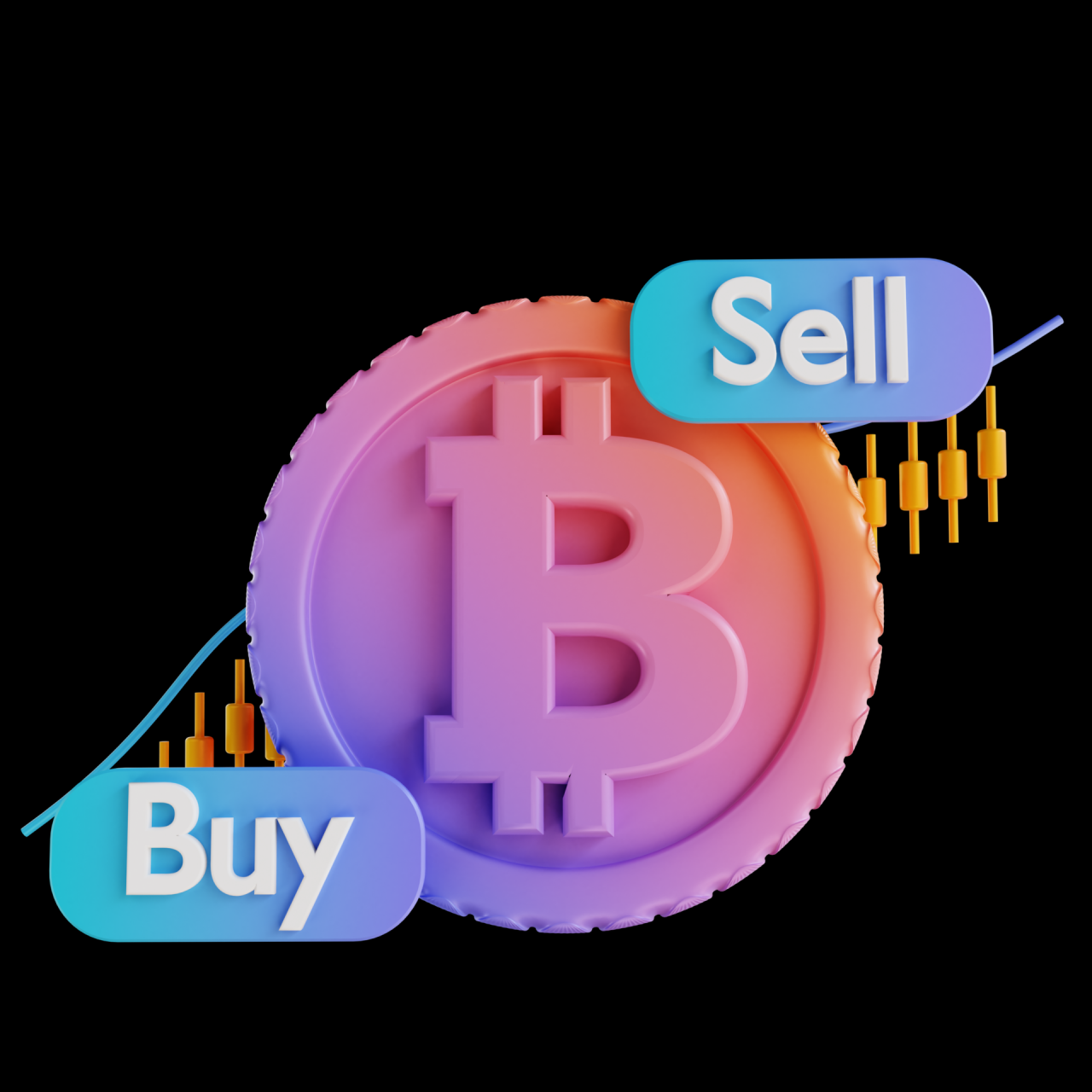
3 구매 1 판매 배너 벡터 | 프리미엄 벡터

Bitcoin is a decentralized digital currency, meaning it isn’t controlled by any single entity like a government or bank. It operates on a distributed ledger technology called blockchain, which records all transactions transparently and securely. This transparency, combined with its scarcity (a limited supply of 21 million Bitcoins), contributes to its value. Its value fluctuates significantly, influenced by market demand and various economic factors.Bitcoin’s value proposition lies in its potential for secure and fast international transactions, as well as its relative independence from traditional financial systems.

However, it’s important to acknowledge that Bitcoin’s volatility can lead to substantial gains or losses, requiring careful consideration before investment.

Bitcoin Storage Methods

Bitcoin is stored in digital wallets. These wallets serve as secure repositories for your Bitcoin holdings, allowing you to send and receive transactions. The security and usability of these wallets vary depending on the type.

  • Software Wallets: These wallets are installed on your computer or mobile device. They offer flexibility but require user vigilance to maintain security. Examples include Electrum and Exodus. Storing your private keys on a device is susceptible to hardware failure or data breaches if the device is lost or compromised. Regular backups are essential.

  • Mobile Wallets: These wallets are specifically designed for smartphones. They provide convenient access to your Bitcoin holdings but also require caution to prevent unauthorized access. Examples include Coinbase Wallet and Trust Wallet.
  • Hardware Wallets: These wallets are physical devices designed to securely store your Bitcoin private keys offline. This significantly reduces the risk of online theft or hacking. Hardware wallets are generally more secure but can be more expensive than other types of wallets. Examples include Ledger Nano S and Trezor.

Acquiring Bitcoin

There are several avenues for acquiring Bitcoin. The most common methods include exchanges and peer-to-peer (P2P) platforms.

  • Exchanges: These platforms facilitate the buying and selling of Bitcoin using traditional currencies like the US dollar or Euros. Popular exchanges include Coinbase, Kraken, and Binance. Exchanges often have fees associated with transactions. User accounts are verified to comply with regulations and deter illicit activity.
  • P2P Platforms: These platforms connect buyers and sellers directly, allowing for transactions outside of formal exchanges. This method offers potentially lower fees compared to exchanges but carries higher risks of scams or disputes. Verification processes may be less stringent than exchanges. Due diligence is paramount.

Bitcoin Wallet Types

Different Bitcoin wallets cater to various needs and security levels. Choosing the right type depends on individual circumstances.

Wallet Type Description Security Ease of Use
Software Wallet Installed on a computer or mobile device. Medium High
Mobile Wallet Specifically designed for smartphones. Medium Very High
Hardware Wallet Physical device storing private keys offline. High Medium

Purchasing Bitcoin

Acquiring Bitcoin involves several methods, each with its own advantages and disadvantages. Understanding these methods and the associated security protocols is crucial for a safe and successful Bitcoin purchase. This section details popular platforms, security considerations, and account setup procedures.

Popular Methods for Buying Bitcoin

Several platforms facilitate Bitcoin purchases, ranging from dedicated cryptocurrency exchanges to traditional brokerage services. Exchanges often offer a broader selection of cryptocurrencies and potentially lower fees, while brokers may integrate Bitcoin trading into existing financial platforms. The choice depends on individual needs and preferences.

  • Cryptocurrency Exchanges: Platforms like Coinbase, Kraken, and Binance allow direct trading of Bitcoin against fiat currencies (like USD or EUR). These exchanges often have advanced trading tools and wider liquidity, but may have higher fees than brokers.
  • Brokerage Services: Traditional brokerage firms like Fidelity or Schwab are increasingly offering Bitcoin trading options. These services integrate Bitcoin trading into existing accounts and platforms, making them more accessible for those already familiar with traditional investment tools. However, they might not provide the same level of specialized crypto trading features as dedicated exchanges.
  • Peer-to-Peer (P2P) Platforms: P2P marketplaces connect buyers and sellers directly, allowing for potentially lower fees. However, this approach often carries higher risks as it bypasses regulatory oversight and dispute resolution mechanisms offered by exchanges or brokers.

Security Considerations When Buying Bitcoin

Protecting your Bitcoin investments is paramount. Security involves both platform security and personal vigilance. Using strong passwords, enabling two-factor authentication (2FA), and storing your private keys securely are essential steps. Vigilance against phishing attempts and scams is also critical.

  • Strong Passwords and 2FA: Employing complex passwords and enabling 2FA adds a layer of security to your accounts, making them more resistant to unauthorized access. Avoid using easily guessable passwords.
  • Secure Storage of Private Keys: Never share your private keys with anyone, and keep them in a secure, offline location. Using a hardware wallet can enhance this protection.
  • Awareness of Phishing and Scams: Be cautious of suspicious emails, websites, or messages requesting your login credentials or private keys. Verify the legitimacy of any platform or individual before sharing sensitive information.

Opening an Account on a Cryptocurrency Exchange

The account opening process on a cryptocurrency exchange typically involves filling out a registration form, providing personal information, and completing a verification process. The specific requirements may vary between platforms.

  1. Account Registration: Fill out the required information on the exchange’s registration form, including your name, address, email address, and phone number. Follow the platform’s instructions meticulously.
  2. Verification of Identity: The exchange will require you to verify your identity to comply with regulations. This typically involves uploading documents like government-issued IDs and proof of address.
  3. Completing KYC/AML Procedures: Know Your Customer (KYC) and Anti-Money Laundering (AML) procedures are mandatory for most exchanges to prevent illicit activities. This may involve submitting additional documentation and completing questionnaires.

Verifying Your Identity When Buying Bitcoin

Verification ensures the exchange complies with regulatory requirements and protects against illicit activities. The process typically involves providing government-issued identification and proof of address.

  • Government-Issued Identification: Providing a valid passport, driver’s license, or national ID is usually required.
  • Proof of Address: Documents such as utility bills, bank statements, or recent tax returns are commonly requested to confirm your residential address.
  • Accuracy and Timeliness: Ensure the documents you provide are accurate, up-to-date, and readily accessible. This helps expedite the verification process.

Comparing Bitcoin Exchanges

Exchange Fees Security User Experience
Coinbase Competitive Robust User-friendly
Kraken Variable High Advanced
Binance Low Strong Complex

Note: Fees, security ratings, and user experiences are subject to change and vary based on individual usage and market conditions.

Sending Bitcoin to a PayPal Account

Sending Bitcoin to a PayPal account isn’t directly possible. PayPal doesn’t natively support Bitcoin transactions. Instead, you need to transfer your Bitcoin to an external wallet, and then potentially use a service to convert it to a form PayPal can accept. This process involves careful attention to security and understanding cryptocurrency addresses.

Transferring Bitcoin to an External Wallet

To send Bitcoin, you must first have a Bitcoin wallet. This wallet acts as your digital account for storing and managing your Bitcoin holdings. Once you have a wallet, you can send your Bitcoin to another wallet, which could be yours or someone else’s. This transfer is akin to sending money from one bank account to another.

The process involves using the Bitcoin wallet’s interface and providing the recipient’s Bitcoin address.

Bitcoin Addresses

Bitcoin addresses are unique alphanumeric strings that act as your digital account number for receiving Bitcoin. These addresses are crucial for sending and receiving Bitcoin. Think of them like email addresses for Bitcoin transactions. They’re generated by your Bitcoin wallet and are specific to each transaction. A single wallet can have multiple addresses.

Each address is linked to a specific transaction. A valid Bitcoin address is critical for ensuring your Bitcoin reaches the correct destination.

Sending Bitcoin from One Wallet to Another

The process of sending Bitcoin from one wallet to another typically involves the following steps:

  • Open your Bitcoin wallet and navigate to the “Send” or “Transfer” section. This section will vary depending on the wallet you are using. You’ll need to locate the section in your specific wallet application.
  • Enter the recipient’s Bitcoin address. This address is essential for the transaction to be successful. Double-check this address to avoid sending your Bitcoin to the wrong destination.
  • Enter the amount of Bitcoin you wish to send. Use the wallet’s interface to accurately input the desired amount.
  • Review the transaction details, including the recipient’s address and the amount. This is a critical step to ensure you are sending to the correct person and amount. Pay close attention to the address to prevent errors.
  • Confirm the transaction. This step confirms the transfer of your Bitcoin to the recipient. Confirming a transaction is often accompanied by a confirmation message and potentially a transaction fee.

Importance of a Secure Service

Using a secure and reputable service for Bitcoin transactions is paramount. This reduces the risk of scams and fraudulent activities. Reputable services often have strong security measures in place. Avoid using services with questionable security practices or unknown origins. Research the service thoroughly before using it.

Using a Bitcoin Wallet to Send Bitcoin

The specific steps for sending Bitcoin will vary depending on the Bitcoin wallet you are using. Some wallets have user-friendly interfaces, while others may require more technical knowledge. Most Bitcoin wallets provide detailed instructions on their website or within the app itself. Always refer to your wallet’s documentation for precise instructions.

Bitcoin Wallet Security Best Practices

Security Practice Description
Strong Passwords Use strong, unique passwords for your Bitcoin wallet. Consider using a password manager to securely store these passwords.
Two-Factor Authentication (2FA) Enable 2FA for added security. This adds an extra layer of protection to your wallet.
Regular Software Updates Keep your Bitcoin wallet software updated to the latest version. Updates often include security patches and improvements.
Avoid Public Wi-Fi Avoid sending or receiving Bitcoin over public Wi-Fi networks. These networks can be vulnerable to attacks.
Secure Storage Store your Bitcoin wallet securely and avoid sharing access details with anyone.

The Bitcoin-to-PayPal Process

Converting Bitcoin to PayPal involves a multi-step process that often requires utilizing intermediary services. This method allows individuals holding Bitcoin to access their funds through the PayPal platform, a widely recognized payment system. Understanding the nuances of this process is crucial for both buyers and sellers, ensuring a smooth and secure transaction.

Bitcoin-to-PayPal Conversion Services

Numerous platforms facilitate the exchange of Bitcoin for PayPal funds. These services typically employ a secure exchange infrastructure that handles the necessary cryptographic processes for Bitcoin transactions and the payment processing required for PayPal. They often offer varying fees and transaction speeds, so careful consideration of available options is essential.

Risks and Limitations

Converting Bitcoin to PayPal isn’t without inherent risks. Security vulnerabilities within the exchange platform or slippage in the exchange rate can impact the final outcome. Additionally, some platforms might impose limitations on the transaction amount or frequency, which should be considered when choosing a conversion service. User accounts may also be subject to Know Your Customer (KYC) regulations, potentially delaying the transaction.

Finally, fluctuations in Bitcoin’s value relative to fiat currencies like the dollar can impact the final amount received through PayPal.

Transaction Fees

Conversion services typically charge fees for processing Bitcoin-to-PayPal transactions. These fees can vary depending on the platform and the volume of the transaction. It’s crucial to compare the fees charged by different services to select the most cost-effective option. A small transaction may have a fee that represents a larger percentage of the total amount, whereas a large transaction might have a fixed fee amount.

Some platforms may offer tiered pricing models for different transaction volumes.

Time Frame

The time required for a Bitcoin-to-PayPal transaction varies depending on the chosen service and the current transaction volume on the platform. Some services may offer near-instant conversions, while others might take a few hours or even a day or more. Delays can arise due to network congestion or processing limitations, so it’s prudent to factor in potential delays when planning transactions.

Summary of Common Bitcoin-to-PayPal Conversion Services

Service Description Typical Fees Transaction Time
Coinbase A popular cryptocurrency exchange that supports Bitcoin transactions and PayPal integration. Variable, dependent on the transaction size and type. Typically within a few hours.
Binance A global cryptocurrency exchange with a large user base, offering various trading options. Variable, dependent on the transaction size and type. Can vary, potentially taking a few hours to several days.
Paxful A peer-to-peer (P2P) platform enabling Bitcoin transactions, often including PayPal. Variable, dependent on the transaction terms. Can vary greatly depending on the seller and the agreed-upon terms.

This table presents a concise overview of common platforms. Users should thoroughly research each platform to ensure it aligns with their specific needs and risk tolerance. The fees and timeframes are general estimates and may vary depending on the transaction details.

Alternatives to Bitcoin-to-PayPal

Beyond the Bitcoin-to-PayPal route, various alternative methods exist for receiving Bitcoin payments and exchanging them for fiat currency. These alternatives offer different levels of security, transaction speed, and cost, allowing users to tailor their choices based on individual needs and circumstances.

Alternative Payment Methods for Bitcoin

Different methods for receiving Bitcoin payments beyond PayPal exist, each with its own characteristics. Exploring these alternatives can broaden your options and potentially lower fees or improve transaction speed.

  • Bank Transfers: Direct bank transfers are a common method for moving funds, often used in traditional financial transactions. For Bitcoin, bank transfers are generally slower than peer-to-peer methods like PayPal but often provide a higher degree of security and are easily traceable within the banking system.
  • Cryptocurrency Exchanges: Many cryptocurrency exchanges offer a wide range of fiat-to-cryptocurrency and crypto-to-crypto transactions. These platforms facilitate seamless conversion between various cryptocurrencies and fiat currencies. Their user-friendly interfaces and established infrastructure often make them a popular choice for those looking to buy or sell Bitcoin.
  • Other Payment Processors: Several payment processors exist that support Bitcoin, offering different levels of convenience and security compared to bank transfers or cryptocurrency exchanges. These platforms facilitate payments using various methods, from credit/debit cards to bank transfers, which are increasingly becoming a common way to receive or send cryptocurrency.

Comparing Methods

A comparison of various methods reveals crucial differences in transaction speed, security, and cost. The choice of method depends on the specific needs of the transaction.

Method Transaction Speed Security Cost
Bank Transfers Slow (days) High (regulated by banks) Moderate (bank fees may apply)
Cryptocurrency Exchanges Variable (minutes to hours) Moderate (security measures vary) Variable (fees depend on the platform and transaction type)
Other Payment Processors Variable (minutes to hours) Moderate (depends on the platform) Variable (fees depend on the platform and transaction type)

Exchanging Bitcoin for Fiat Currency

The process of converting Bitcoin to fiat currency, such as USD or EUR, typically involves a cryptocurrency exchange or broker. These platforms facilitate the buying and selling of Bitcoin against other currencies.

  • Selecting an Exchange: Choosing a reputable and secure exchange is crucial. Factors like security measures, transaction fees, and user reviews should be considered when selecting an exchange or broker. Look for platforms with strong security protocols and a history of responsible operations.
  • Placing an Order: Once an exchange is selected, you can place an order to buy or sell Bitcoin. Different exchanges may offer various order types, such as market orders or limit orders, each with specific characteristics.
  • Confirmation and Settlement: After placing the order, it will be confirmed, and the transaction will be settled once the required funds are available. This may involve a waiting period, depending on the volume of transactions and the chosen method.

Transferring Fiat Currency to PayPal

Transferring fiat currency to a PayPal account is a standard financial transaction. Follow the steps Artikeld by PayPal to ensure a smooth transfer process.

  • PayPal Account Access: Log in to your PayPal account to initiate the transfer.
  • Transfer Options: PayPal provides various methods for transferring funds, such as bank transfers or debit/credit card options. Choose the method that best suits your needs.
  • Confirmation and Completion: Review the details of the transfer and confirm the transaction to complete the transfer to your PayPal account.

Factors to Consider When Selecting a Bitcoin Exchange or Broker

Several factors influence the choice of a Bitcoin exchange or broker. Understanding these factors will help you select a platform that best suits your needs.

  • Security Measures: Robust security measures, such as two-factor authentication and secure encryption, are essential. Review the security protocols and measures implemented by the platform.
  • Transaction Fees: Transaction fees, including trading fees and withdrawal fees, can vary significantly among platforms. Compare these fees across different exchanges or brokers.
  • User Experience: A user-friendly interface and intuitive platform are essential for a smooth experience. Read reviews and consider user testimonials when evaluating potential platforms.

Related Information about Buying Bitcoin

Understanding Bitcoin’s value and market dynamics is crucial for informed purchasing decisions. This section explores Bitcoin mining, historical price trends, regulatory aspects, and future projections, providing context for your investment considerations.Bitcoin’s value isn’t solely determined by market sentiment; it’s intertwined with the underlying technology and the evolving regulatory landscape. Analyzing these factors empowers you to make more strategic choices when entering the Bitcoin market.

Bitcoin Mining and its Relevance

Bitcoin mining is a computational process that validates transactions and adds them to the blockchain. This process secures the network and is essential for Bitcoin’s functionality. The scarcity of new Bitcoin, controlled by the protocol, directly influences the supply and demand dynamics in the market. The increasing difficulty of mining, requiring more powerful hardware and energy, contributes to the rising cost of production, which is a factor in the overall value of Bitcoin.

Historical Trends of Bitcoin Prices

Bitcoin’s price has exhibited significant volatility throughout its history. Periods of rapid growth have been followed by sharp corrections, reflecting the speculative nature of the cryptocurrency market. Understanding these historical trends, including factors like market sentiment, regulatory changes, and technological advancements, can help you evaluate potential risks and rewards. For example, the 2017 bull run saw prices surge, while the 2018 bear market experienced a significant downturn.

These cycles underscore the need for a cautious and informed approach to investment.

Regulatory Landscape of Bitcoin

The regulatory environment surrounding Bitcoin is complex and varies across jurisdictions. Governments are grappling with how to classify and regulate cryptocurrencies, balancing innovation with consumer protection. This uncertainty can impact market stability and investor confidence. The evolving regulatory landscape necessitates ongoing vigilance and awareness for investors.

Future Prospects of Bitcoin

Bitcoin’s future is subject to various factors, including technological advancements, regulatory developments, and market sentiment. Some analysts predict continued growth driven by increased adoption and institutional investment, while others anticipate further volatility due to market fluctuations and regulatory uncertainty. The integration of Bitcoin into the mainstream financial system will significantly shape its future value. Examples of this integration are emerging in the form of Bitcoin-backed investment products.

Common Myths and Misconceptions about Bitcoin

Myth/Misconception Reality
Bitcoin is a guaranteed investment. Bitcoin, like any investment, carries inherent risk. Past performance is not indicative of future results.
Bitcoin is anonymous and untraceable. While Bitcoin transactions can be pseudonymous, they are recorded on a public ledger (blockchain), making them potentially traceable.
Bitcoin is only used for illicit activities. Bitcoin is used for legitimate transactions globally, including online commerce and remittances.
Bitcoin mining is environmentally harmful. The energy consumption of Bitcoin mining is a concern, but efforts are underway to explore more sustainable mining practices.
Bitcoin is a scam. Bitcoin is a legitimate digital asset with a growing community and market adoption.

Security and Risks

Bitcoin transactions, while generally secure, carry inherent risks. Understanding these risks is crucial for navigating the process safely and avoiding potential financial losses. Careless handling of private keys or interacting with fraudulent entities can lead to significant setbacks. Due diligence and awareness of potential pitfalls are paramount.

Common Security Risks

Bitcoin transactions, like any financial transaction, are susceptible to various security risks. These risks include the loss or compromise of private keys, which grant access to Bitcoin wallets, and the potential for scams and fraudulent activities. Furthermore, vulnerabilities in exchanges and platforms used for Bitcoin purchases can expose users to theft. These risks underscore the need for heightened vigilance and proactive security measures.

Secure Wallets and Strong Passwords

Maintaining the security of your Bitcoin wallet is paramount. Employing robust security measures, such as using strong, unique passwords and enabling two-factor authentication (2FA) whenever possible, is essential. Regularly backing up your wallet’s private keys to a secure, offline location is also vital. This redundancy protects your funds in case of a hardware failure or system compromise.

Scams and Fraudulent Activities

Bitcoin, like other digital currencies, attracts fraudulent activities. These scams often involve fake exchanges, phishing emails, or social engineering tactics to trick users into revealing their private keys or sending their Bitcoin to illegitimate accounts. Researching the legitimacy of platforms and being cautious about unsolicited requests are key defensive strategies.

Verifying the Legitimacy of Bitcoin-to-PayPal Services

Before engaging in a Bitcoin-to-PayPal transaction, carefully vet the service provider. Look for established reputations, positive customer reviews, and transparent terms and conditions. A reputable service should clearly Artikel its procedures, fees, and security measures. Do not rely solely on marketing materials; seek out independent verification of the service’s reliability.

Common Red Flags for Identifying Scams

Red Flag Explanation
Unrealistic Promises of High Returns Schemes promising extraordinarily high returns on Bitcoin investments are often fraudulent. Exercise caution when encountering such opportunities.
Pressure to Act Quickly Scammers often create a sense of urgency to push victims into hasty decisions. Avoid feeling pressured to act immediately.
Requests for Private Keys or Passwords Legitimate services do not ask for your private keys or passwords. If you receive such a request, do not comply.
Unfamiliar or Unregistered Websites Using a website or platform that you are unfamiliar with or that is not properly registered carries significant risks. Verify the legitimacy of the platform before engaging with it.
Lack of Transparency Services lacking transparency in their procedures, fees, or security measures are likely to be fraudulent.

Additional Considerations

Bitcoin, while a fascinating asset, comes with inherent complexities. Understanding these considerations is crucial for navigating the world of cryptocurrency investments. From price fluctuations to tax implications and global acceptance, a thorough understanding empowers informed decisions.

Volatility of Bitcoin Prices

Bitcoin’s price is notoriously volatile. Significant price swings can lead to substantial gains or losses for investors. Past examples illustrate this dynamic nature; periods of rapid price increases have been followed by sharp declines. This inherent instability requires careful risk assessment and a well-defined investment strategy. Investors should thoroughly research and understand their tolerance for risk before entering the market.

Taxes on Bitcoin Transactions

Governments worldwide are increasingly recognizing and regulating Bitcoin transactions. Tax implications vary considerably based on jurisdiction. In some regions, Bitcoin transactions are treated as capital gains, while others may classify them as property or commodities. Accurate record-keeping and compliance with local tax regulations are essential for avoiding potential penalties. Consult with a qualified tax advisor to ensure compliance.

Global Acceptance of Bitcoin

While Bitcoin’s acceptance is growing, it is not ubiquitous. Its widespread adoption varies across countries and regions. Some regions embrace cryptocurrency transactions more readily than others, impacting its utility as a payment method. Factors like government regulations, financial infrastructure, and public awareness influence the extent of Bitcoin acceptance in a given location.

Legal Implications of Bitcoin Transactions

The legal landscape surrounding Bitcoin transactions is complex and varies significantly across different jurisdictions. Some countries have explicitly recognized Bitcoin as a legal tender, while others have yet to fully define its legal status. Navigating the legal intricacies of Bitcoin transactions is crucial for avoiding legal repercussions. Thorough research and consultation with legal professionals familiar with cryptocurrency law are highly recommended.

Resources for Further Learning

Understanding Bitcoin’s intricacies requires continuous learning. The following resources can assist in your exploration:

Resource Description
CoinMarketCap A comprehensive platform tracking cryptocurrency market data, including prices, market capitalization, and trading volume.
Investopedia A widely respected financial resource offering detailed explanations of investment concepts, including Bitcoin and related technologies.
CoinGecko A cryptocurrency data aggregator providing insights into various cryptocurrencies, including Bitcoin’s price and market trends.
Bitcoin.org The official website of the Bitcoin project, offering information about the cryptocurrency’s development, history, and community.
Local Regulatory Bodies Governments often have dedicated resources and information regarding the legal status and regulation of Bitcoin in their jurisdiction.

Epilogue

In conclusion, buying Bitcoin and sending it to PayPal is achievable with the right knowledge and caution. By understanding the steps Artikeld in this guide, you can navigate the process securely and efficiently. Remember to prioritize security, compare services, and research potential alternatives before making a transaction. Ultimately, this guide empowers you to confidently explore the world of cryptocurrency transactions.

FAQ Explained

What are the common security risks associated with Bitcoin transactions?

Common security risks include phishing scams, malware attacks, and insecure wallets. Always use strong passwords, keep your software updated, and be cautious about suspicious links or websites.

What are the typical transaction fees for sending Bitcoin to PayPal?

Transaction fees vary depending on the service used. Some platforms charge a percentage of the Bitcoin amount, while others may have flat fees. Always check the fees with the specific service provider.

Are there any alternative methods for receiving Bitcoin payments besides PayPal?

Yes, alternative methods include bank transfers, peer-to-peer exchanges, and other digital wallets. Each method has its own advantages and disadvantages in terms of speed, fees, and security.

What is the typical time frame for Bitcoin-to-PayPal transactions?

The time frame varies significantly depending on the service provider and network congestion. Some services may complete transactions within minutes, while others might take several hours.

Kicking off with crypto currency meaning in hindi, this digital revolution has transformed how we perceive money and transactions. Cryptocurrency is a decentralized form of digital currency that operates on technology, enabling secure and anonymous exchanges over the internet, offering a glimpse into the future of finance.

In this exploration, we will define what cryptocurrencies are, dive into their history, examine their working mechanisms, and discuss the various types available today. From Bitcoin to altcoins, we will uncover the unique features that define each cryptocurrency, as well as the benefits and risks associated with them, particularly in the context of India.

Definition of Cryptocurrency

Cryptocurrency is a digital or virtual form of currency that utilizes cryptography for security. It operates independently of a central authority, making it decentralized. In Hindi, cryptocurrency can be defined as “क्रिप्टोक्यूरेंसी एक डिजिटल या वर्चुअल मुद्रा है जो सुरक्षा के लिए क्रिप्टोग्राफी का उपयोग करती है। यह एक केंद्रीय प्राधिकरण से स्वतंत्रता से संचालित होती है।”The characteristics that define cryptocurrencies include:

  • Decentralization: Unlike traditional currencies, cryptocurrencies are not controlled by any government or financial institution.
  • Security: Cryptocurrencies use cryptographic techniques to secure transactions and control the creation of new units.
  • Anonymity: Users can make transactions without revealing their identities, providing a level of privacy.
  • Transparency: Transactions are recorded on a public ledger called blockchain, making them visible to anyone.
  • Limited supply: Many cryptocurrencies have a capped supply, which can increase their value over time.

Examples of popular cryptocurrencies and their unique features include:

  • Bitcoin (BTC): The first and most recognized cryptocurrency, known for its limited supply of 21 million coins.
  • Ethereum (ETH): A platform that enables smart contracts and decentralized applications (DApps).
  • Ripple (XRP): Focuses on facilitating international money transfers with low transaction fees.
  • Litecoin (LTC): Created as a “lighter” version of Bitcoin, allowing faster transaction times.

History of Cryptocurrency

The origin of cryptocurrency can be traced back to Bitcoin, which was created in 2009 by an anonymous person or group known as Satoshi Nakamoto. Bitcoin introduced the concept of blockchain, a decentralized ledger that records all transactions.Major milestones in the development of cryptocurrencies in India include:

  • 2013: The first Bitcoin exchange, Unocoin, was launched in India.
  • 2017: The Indian government began to regulate cryptocurrencies and issued warnings regarding their use.
  • 2020: The Supreme Court of India lifted the ban on cryptocurrencies, allowing for their trade and investment.

Key figures who have influenced the cryptocurrency landscape include Vitalik Buterin, the co-founder of Ethereum, and Satoshi Nakamoto, the mysterious creator of Bitcoin.

Working Mechanism of Cryptocurrency

The underlying technology of cryptocurrencies is blockchain, which is a distributed ledger technology that records all transactions across a network of computers. Every transaction is grouped into blocks, and these blocks are linked together in a chain, ensuring security and transparency.In Hindi, the transaction verification process can be explained as follows: “क्रिप्टोक्यूरेंसी लेनदेन को सत्यापित करने के लिए, नेटवर्क में उपस्थित सभी कंप्यूटरों (नोड) द्वारा लेनदेन की जानकारी की जांच की जाती है। जब एक लेनदेन मान्य होता है, तो यह नए ब्लॉक में जोड़ा जाता है और उसे ब्लॉकचेन में सुरक्षित किया जाता है।”A comparison of different consensus mechanisms used in cryptocurrencies can be organized in the following table:

Consensus Mechanism Description Advantages Disadvantages
Proof of Work Requires miners to solve complex mathematical problems to validate transactions. Highly secure and decentralized. Energy-intensive and slower transaction times.
Proof of Stake Validators are chosen based on the amount of cryptocurrency they hold and are willing to “stake”. Less energy consumption and faster transactions. Can lead to centralization if a few holders control a majority.
Delegated Proof of Stake Holders vote for delegates who validate transactions on their behalf. Faster transactions and scalability. Less decentralized due to reliance on selected delegates.

Types of Cryptocurrencies

There are various types of cryptocurrencies, including altcoins and tokens. Altcoins refer to any cryptocurrency other than Bitcoin, while tokens can represent assets or utilities on a specific platform.The differences between utility tokens and security tokens are significant:

  • Utility Tokens: Provide access to a product or service within a blockchain ecosystem. Example: Binance Coin (BNB).
  • Security Tokens: Represent ownership of an asset and are subject to regulatory scrutiny. Example: tZERO (TZRO).

Specific cryptocurrencies in each category include:

  • Altcoins: Dogecoin (DOGE), Cardano (ADA), and Polkadot (DOT).
  • Tokens: Chainlink (LINK), Uniswap (UNI), and Aave (AAVE).

Benefits of Cryptocurrency

The advantages of using cryptocurrencies over traditional currencies are numerous:

  • Lower transaction fees compared to banks and credit cards.
  • Enhanced security through encryption and blockchain technology.
  • Global access, allowing for cross-border transactions without intermediaries.
  • Protection from inflation as many cryptocurrencies have a capped supply.

A table listing various benefits and their explanations is as follows:

Benefit Explanation
Decentralization Reduces reliance on banks, providing financial freedom.
Transparency All transactions are publicly recorded, promoting accountability.
Speed Transactions can be processed quickly, often within minutes.

The impact of cryptocurrency on financial inclusion in India is significant, as it provides access to financial services for individuals who are unbanked or underbanked.

Risks and Challenges of Cryptocurrency

Investing in cryptocurrencies comes with potential risks, including market volatility, regulatory uncertainty, and the risk of theft from hacking.Regulatory challenges and government responses in India have varied, with periods of strict regulation followed by more open policies as the market grows.Common scams related to cryptocurrencies include Ponzi schemes and phishing attacks. To avoid these scams, investors should conduct thorough research and only use reputable exchanges.

Future of Cryptocurrency

The potential trends and developments in the cryptocurrency market include increased institutional adoption, the rise of Central Bank Digital Currencies (CBDCs), and advancements in blockchain technology.Cryptocurrencies are expected to play a significant role in the global economy, bridging gaps in financial systems and enabling decentralized finance (DeFi) solutions.

“The future of cryptocurrencies lies in their ability to integrate with traditional financial systems while maintaining a decentralized ethos.”

Crypto Expert

Outcome Summary

In summary, understanding crypto currency meaning in hindi is essential as it highlights the significant shift in our financial landscape. As we continue to navigate the complexities of cryptocurrencies, being informed about their workings, benefits, and challenges will empower us to make educated decisions in this evolving market.

Essential Questionnaire

What is the primary purpose of cryptocurrency?

The primary purpose of cryptocurrency is to enable secure and decentralized transactions without the need for intermediaries like banks.

How does blockchain technology relate to cryptocurrency?

Blockchain technology underpins cryptocurrencies, providing a secure and transparent ledger that records all transactions.

Are cryptocurrencies legal in India?

As of now, the legal status of cryptocurrencies in India is evolving, with ongoing discussions about regulation and frameworks.

Can I use cryptocurrency for everyday purchases?

Yes, some merchants accept cryptocurrencies for everyday purchases, although acceptance is still limited compared to traditional currencies.

What are the most common risks in investing in cryptocurrencies?

Common risks include market volatility, regulatory changes, security breaches, and scams.

Dive into the dynamic world of bitcoin pricing with our in-depth guide to bitcoin price widgets. These widgets offer a convenient and visually engaging way to track the ever-fluctuating value of Bitcoin, providing crucial real-time data for traders and enthusiasts alike. Understanding their features, functionality, and integration methods is key to effectively utilizing this valuable tool.

From real-time updates to historical analysis, we’ll explore the nuances of various bitcoin price widgets. We’ll cover everything from the technical aspects of data display to the user experience considerations for a seamless and informative interface. This guide will be an essential resource for anyone looking to integrate a bitcoin price widget into their website or application.

Introduction to Bitcoin Price Widgets

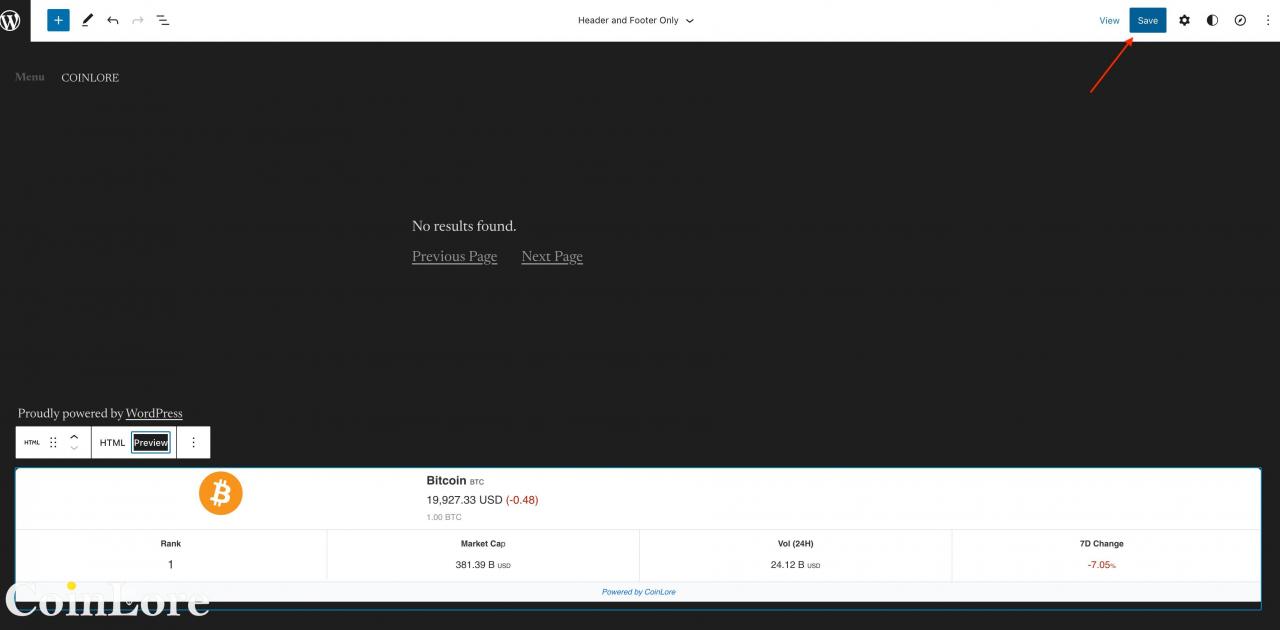
Bitcoin (BTC) Price Ticker Widget | CoinLore

A Bitcoin price widget is a small, interactive tool designed to display the current market price of Bitcoin. These widgets are increasingly popular for keeping track of the cryptocurrency’s value in real-time, providing quick and easy access to information. Their simplicity and ease of use make them a valuable addition to websites, blogs, or personal dashboards.These widgets offer a straightforward way to monitor Bitcoin’s fluctuations, providing users with an immediate understanding of its market value.

They can be customized to suit various needs, enabling users to follow the cryptocurrency’s performance in a visually appealing and informative manner.

Common Features of Bitcoin Price Widgets

Bitcoin price widgets typically incorporate several key features to enhance their usability and informativeness. These features contribute to the user experience by making the widget both informative and easy to use.

  • Real-time price updates: Widgets with this feature continuously refresh the displayed price, ensuring users are always viewing the most current market value. This constant updating allows for immediate awareness of any price changes.
  • Historical price data: Many widgets offer access to historical price information, enabling users to analyze trends and track Bitcoin’s performance over time. This allows for a deeper understanding of Bitcoin’s market behavior over different periods.
  • Currency conversion: Widgets often include the ability to display Bitcoin’s price in various fiat currencies, such as USD, EUR, or GBP. This feature makes the information more universally accessible and understandable.
  • Chart visualizations: Some widgets incorporate charts that graphically illustrate Bitcoin’s price fluctuations. This visual representation helps users quickly identify trends and patterns, providing a deeper insight into the market’s movement.
  • Customization options: Users may be able to personalize the widget’s appearance, such as color schemes, font styles, and the display of additional information.

Types of Bitcoin Price Widgets

Bitcoin price widgets come in various forms, each catering to specific needs and preferences. Different types are designed to address the varying needs of different users.

  • Real-time widgets: These widgets provide the most up-to-date Bitcoin price, updating frequently. They are ideal for those who want to monitor the price constantly, like traders or investors needing immediate price updates.
  • Historical widgets: These widgets display Bitcoin’s price history over a specified period, typically allowing for the visualization of trends and patterns. They are suitable for users interested in understanding Bitcoin’s long-term performance and historical market behavior.
  • Comparative widgets: These widgets can display the price of Bitcoin alongside other cryptocurrencies or assets, enabling users to compare performance and make informed decisions. This is valuable for users who need to track the relative performance of Bitcoin against other assets.

Design Elements of Bitcoin Price Widgets

The visual presentation of a Bitcoin price widget significantly impacts user experience. These elements play a crucial role in making the widget user-friendly and informative.

  • Clear and concise display: The widget should present information in a straightforward manner, making it easy for users to quickly grasp the current price.
  • Visually appealing design: A well-designed widget enhances the user experience and contributes to its attractiveness. This is particularly important in a context where users might be presented with many different options and information.
  • Appropriate font and color choices: The font size and color scheme should be legible and visually appealing, allowing for effortless reading and understanding of the displayed data.
  • Use of icons and graphics: Relevant icons or graphics can add clarity and interest, making the widget more engaging for the user. This can enhance the widget’s visual appeal and readability.

Data Display in Bitcoin Price Widgets

The way data is displayed in a Bitcoin price widget is crucial for user understanding. This is essential for effective communication and user comprehension of the information presented.

  • The current price is usually displayed prominently, often in a large, easily readable font.
  • The currency is clearly indicated alongside the price, such as “USD” or “EUR.” This avoids confusion and ensures clarity in the data.
  • Data updates are usually indicated, providing the user with information about when the data was last updated.
  • Historical data, if available, might be displayed in a chart format, making price trends more easily discernible.

Widget Type, Features, and Design Elements

Widget Type Features Design Elements
Real-time Real-time price updates, currency conversion Large, prominent price display, clear currency indicator, refresh indicator
Historical Historical price data, chart visualization Chart visualization, date range selector, clear trend indicators
Comparative Comparison of Bitcoin with other assets, real-time price updates Multiple price displays, clear comparative indicators, currency conversion

Functionality and Features

Bitcoin price widgets provide a convenient way to track the current market value of the cryptocurrency. Their real-time updates and historical data make them valuable tools for investors and enthusiasts alike. This section details the key functionalities and features of these widgets.Real-time updates are a critical aspect of Bitcoin price widgets. They allow users to stay informed about the ever-changing price.

These widgets typically utilize APIs from reliable financial data providers to access and display the most up-to-date Bitcoin prices.

Real-time Price Updates

Bitcoin price widgets utilize real-time APIs to reflect current market data. This ensures users see the most recent price fluctuations, offering a dynamic display of the cryptocurrency’s value. The frequency of updates varies depending on the widget and the data provider, but it’s generally rapid enough to provide a near-instantaneous view of the price.

Historical Price Data

Historical price data is a crucial component of Bitcoin price widgets. Users can access past price trends to analyze market behavior and identify potential patterns. The widgets typically store and display historical prices over a specified time period, often from days, weeks, or even years. This allows users to track the long-term price trajectory of Bitcoin.

Customization Options

Widgets offer various customization options to cater to individual preferences and needs. These options can include adjusting the display format, color schemes, and the overall aesthetic appeal of the widget.

Customization Options

  • Theme Selection: Users can often choose from different pre-defined themes (e.g., light, dark, or custom). This allows for visual customization based on user preference or to complement a website’s existing design.
  • Timeframe Selection: The timeframe for displaying historical data can be adjusted to suit the user’s needs. Users can choose between different intervals, such as daily, weekly, monthly, or yearly charts.
  • Data Display: Widgets might allow users to specify the data points they want to see. Users might select from open, high, low, close (OHLC) data, or just the closing price for simplicity.
  • Currency Selection: Users can often select the desired currency for the displayed price. This is important for investors who may want to compare the Bitcoin price in different currencies.

Price Metrics

Widgets can display various price metrics, offering a comprehensive view of Bitcoin’s performance. Beyond the current price, users might want to see the open, high, low, and close (OHLC) prices for a given period.

  • Open Price: The price at which Bitcoin started trading for a given period.
  • High Price: The highest price reached during the period.
  • Low Price: The lowest price reached during the period.
  • Close Price: The price at which Bitcoin ended trading for the period.

Comparative Analysis of Widgets

The following table compares the functionalities of different Bitcoin price widgets, highlighting their strengths and weaknesses.

Widget Real-time Updates Historical Data Customization Price Metrics
Widget A Excellent Good Moderate OHLC
Widget B Excellent Excellent High OHLC + Volume
Widget C Good Basic Low Current Price Only

Customization Options Overview

The following table Artikels the various customization options available in Bitcoin price widgets.

Option Description
Theme Allows users to select a pre-defined theme (e.g., light, dark) or create a custom theme.
Timeframe Users can select the time period for historical data display (e.g., daily, weekly, monthly).
Data Display Allows users to choose which data points to see (e.g., open, high, low, close).
Currency Users can select the currency in which the price is displayed.

Integration and Implementation

Integrating a Bitcoin price widget into your website or application is a straightforward process. The method chosen depends on the complexity of your project and your technical capabilities. This section Artikels common integration techniques, providing detailed instructions and examples.Integrating a widget allows dynamic display of current Bitcoin prices, keeping your platform up-to-date and informative. This section covers the necessary steps and techniques to successfully embed the widget.

Methods for Integration

Several methods allow integration of the Bitcoin price widget. Understanding the advantages and disadvantages of each approach is key to choosing the right method for your needs.

  • Iframe Integration: This method embeds the widget within an iframe, a special HTML element that displays a separate webpage within the current page. It’s a simple approach for basic integration, but it can impact website performance if not implemented carefully. This method works best for simpler sites with limited customization needs.
  • API Integration: Using an API (Application Programming Interface) allows for more complex interactions and dynamic updates. The widget’s data is fetched programmatically, offering greater control over the widget’s appearance and functionality. This approach is more flexible and provides more opportunities for custom styling and features.
  • JavaScript Integration: This method involves embedding JavaScript code directly into your website’s HTML. It offers a high degree of customization but requires some programming knowledge. This approach allows the greatest level of customization, but also necessitates more technical expertise.

Embedding a Bitcoin Price Widget

The steps for embedding a Bitcoin price widget vary based on the chosen integration method. Following these steps ensures a smooth and successful integration.

Integration Method Steps for Embedding
Iframe 1. Locate the iframe embed code provided by the widget provider.
2. Create an HTML element in your website’s code where you want the widget to appear.
3. Paste the embed code inside the HTML element.
API 1. Obtain the API key or credentials from the widget provider.
2. Integrate the API call into your website’s application code, typically using JavaScript.
3. Design the function that fetches data and displays it on the page.
JavaScript 1. Obtain the JavaScript code from the widget provider.
2. Integrate the JavaScript code into your website’s HTML.
3. Modify the code to customize the appearance and behavior of the widget.

Example: Iframe Integration

An example of iframe integration: ``

This code snippet embeds a Bitcoin price widget from the example URL into a webpage. The width and height attributes control the size of the embedded widget. Adjust these values to match your desired dimensions.

Bitcoin Price Widget Design Considerations

Crafting an effective Bitcoin price widget hinges on a meticulous understanding of user needs and the data it presents. A well-designed widget must prioritize clear communication of the price, alongside essential supplementary information. This involves careful consideration of visual aesthetics, ensuring that the widget not only provides accurate data but also enhances user engagement and experience.

Factors Affecting Effective Widget Design

Several key factors influence the effectiveness of a Bitcoin price widget. These include the target audience, the platform where the widget will reside, and the overall design language of the website or application. The level of detail required and the desired level of interactivity also significantly impact the widget’s design. For example, a widget for a professional investor may necessitate more advanced features like charting and historical data, whereas a widget for a casual user might focus on simplicity and real-time updates.

Readability and Usability in Bitcoin Price Widgets

Readability and usability are paramount in any price widget. The Bitcoin price, displayed prominently, must be easily discernible against the background. Font size, color contrast, and typography are crucial for ensuring the price is immediately clear. The arrangement of supplementary information, such as the date and time, should also facilitate quick comprehension without hindering the primary display of the Bitcoin price.

Clear and concise labels are essential for all data elements. The overall layout must be intuitive and easy to navigate, allowing users to access essential information with minimal effort.

Impact of Visual Styles on User Experience

Different visual styles significantly impact user experience. A clean, minimalist design can project professionalism and reliability. On the other hand, a more vibrant design might appeal to a younger audience. The visual style should be consistent with the overall branding of the platform hosting the widget. A visually cluttered widget can lead to confusion and reduced engagement.

Conversely, a widget that’s too plain may seem uninspired.

Creating an Appealing Design with Accurate Data Display

Creating an appealing design that accurately displays data requires a balance between aesthetics and functionality. High-quality graphics and imagery, combined with precise data representation, can enhance the user experience. A well-designed widget will present data in a clear and comprehensive manner. Consider using charts or graphs to provide a broader context for the price fluctuations. The use of interactive elements, such as tooltips, can further improve the user experience, offering additional details upon hovering over specific data points.

Comparison of Design Aesthetics

Different design aesthetics for Bitcoin price widgets offer varied user experiences. A modern, sleek design might resonate with tech-savvy users, while a more classic design could appeal to a wider audience. The choice of design should align with the overall branding and user base of the platform hosting the widget. A careful evaluation of different design styles, taking into account the target audience and desired impact, is crucial for selecting the optimal approach.

Table of Design Styles and Their Pros and Cons

Design Style Pros Cons
Minimalist Clean, modern, focuses on clarity, high readability Can appear uninspired or too simple for some users, limited visual interest
Modern Sleek, visually appealing, incorporates latest design trends May not appeal to all users, potentially more complex to implement
Classic Familiar, reliable, accessible to a broader audience Can appear dated or less dynamic, might not incorporate modern features
Infographic Engaging, visual representation of data, emphasizes trends May be distracting, needs careful design to avoid cluttering

Cryptocurrency Context

The cryptocurrency market has exploded in recent years, offering a decentralized alternative to traditional financial systems. This burgeoning sector presents a complex and dynamic environment, with significant implications for both investors and the broader economy. Understanding the key players, market dynamics, and potential applications is crucial for anyone navigating this space.Bitcoin, the pioneering cryptocurrency, holds a significant position within the broader cryptocurrency landscape.

Its influence on the market and its role as a benchmark have led to the development of numerous other cryptocurrencies, each with unique characteristics and objectives. This overview will explore the cryptocurrency market, analyze the significance of bitcoin, and compare it to other major cryptocurrencies, along with the factors that drive price fluctuations and the varied applications of these digital assets.

Overview of the Cryptocurrency Market

The cryptocurrency market encompasses a wide range of digital currencies, each with its own set of characteristics and functionalities. These digital assets utilize cryptography for security and decentralization, enabling peer-to-peer transactions without intermediaries. The decentralized nature of cryptocurrencies distinguishes them from traditional financial systems, offering potential benefits like reduced transaction costs and increased transparency.

Significance of Bitcoin in the Cryptocurrency Landscape

Bitcoin’s pioneering role in the cryptocurrency market is undeniable. Its early adoption and subsequent growth established it as a benchmark and paved the way for the development of numerous other cryptocurrencies. Bitcoin’s scarcity, as defined by its limited supply, and its inherent security have contributed to its perceived value and stability compared to some other cryptocurrencies. Bitcoin’s influence on the broader market cannot be understated, and its volatility continues to affect the entire ecosystem.

Comparison of Bitcoin with Other Major Cryptocurrencies

Numerous cryptocurrencies have emerged since the inception of Bitcoin, each vying for a share of the market. Ethereum, for example, focuses on smart contracts and decentralized applications, differing significantly from Bitcoin’s core function as a digital currency. Other major cryptocurrencies, such as Litecoin and Ripple, have unique features and use cases, each with its own strengths and weaknesses.

These differences in functionality and purpose often reflect the diverse needs and aspirations of the crypto community.

Factors Influencing Cryptocurrency Prices

Cryptocurrency prices are highly volatile, influenced by a multitude of factors. Market sentiment, regulatory developments, technological advancements, and news events all play a role in shaping the price trajectory. Speculation and investment decisions from institutional and individual investors can significantly impact the price of cryptocurrencies, as can overall economic conditions.

Applications and Uses of Cryptocurrencies

Cryptocurrencies are not limited to simple transactions. Their use cases extend to decentralized finance (DeFi), non-fungible tokens (NFTs), and other emerging technologies. The ability to conduct transactions directly between parties, without intermediaries, is a core component of their value proposition. The broader applications of cryptocurrencies are still evolving, and new possibilities continue to emerge.

Table of Cryptocurrency Data

Cryptocurrency Market Cap (USD) Recent Price Trend
Bitcoin (BTC) > $XXX Billion Currently fluctuating; showing signs of [Trend]
Ethereum (ETH) > $XXX Billion Currently fluctuating; showing signs of [Trend]
Litecoin (LTC) > $XXX Billion Currently fluctuating; showing signs of [Trend]
Ripple (XRP) > $XXX Billion Currently fluctuating; showing signs of [Trend]

Note

* Market capitalization and price trends are dynamic and should be checked for up-to-date information from reliable sources. Values are examples and should be replaced with current data. [Trend] should be replaced with an actual recent trend description.

User Experience and Accessibility

A user-friendly Bitcoin price widget is crucial for a positive user experience. It should be intuitive, easily navigable, and provide clear and concise information. This allows users to quickly access and understand current Bitcoin market conditions without frustration.A well-designed widget should present the information in a way that is clear and easily understandable. This is especially important for users who may not be familiar with cryptocurrency or financial markets.

The widget’s layout and presentation should be carefully considered to facilitate a seamless user journey.

Importance of User-Friendliness

A user-friendly Bitcoin price widget ensures a positive interaction for users. This contributes to a better overall experience and encourages repeat use. Intuitive design and clear information presentation are key factors in achieving this.

Factors Contributing to a Positive User Experience

Several elements contribute to a positive user experience with a Bitcoin price widget. These include a visually appealing and well-organized layout, clear and concise information display, and smooth responsiveness to user interactions.

  • Clear Visual Presentation: Visual elements such as charts, graphs, and interactive displays can enhance understanding. Appropriate color palettes, typography, and image use contribute to a visually appealing interface. The layout should be easily navigable and aesthetically pleasing.
  • Concise Information Display: Essential information, such as the current price, change over time, and relevant market data, should be presented in a readily accessible manner. Avoid overwhelming users with excessive details or jargon. Key figures should stand out and be easy to read.
  • Responsiveness and Interactivity: A responsive design ensures the widget adapts to various screen sizes and devices, guaranteeing a consistent experience across different platforms. The widget should respond instantly to user interactions, providing a smooth and engaging experience.

Accessibility Considerations for Users with Disabilities

Designing for accessibility ensures that users with disabilities can utilize the Bitcoin price widget effectively. This includes considering factors such as color contrast, keyboard navigation, and alternative text for images.

  • Color Contrast: Adequate color contrast between text and background is essential for users with visual impairments. Using a color contrast checker tool can help ensure sufficient differentiation. Following accessibility guidelines for color contrast is critical.
  • Keyboard Navigation: Users relying on screen readers or keyboard navigation should be able to interact with all interactive elements of the widget without difficulty. All interactive elements should be accessible via the keyboard.
  • Alternative Text for Images: Images and graphics should have descriptive alternative text (alt text). This provides context to screen reader users and enhances understanding for all users.

Design Elements Improving Accessibility

Several design elements can enhance accessibility for users with disabilities. These include providing clear instructions, employing sufficient color contrast, and ensuring adequate spacing between elements.

  • Clear Instructions and Labels: Provide clear and concise instructions and labels for all interactive elements. Using simple and descriptive language improves comprehension and usability.
  • Sufficient Color Contrast: Maintain sufficient color contrast between text and background to accommodate users with visual impairments. Use tools to evaluate color contrast and adhere to accessibility guidelines.
  • Adequate Spacing and Font Sizes: Ensure sufficient spacing between elements to improve readability. Use appropriate font sizes for optimal legibility and avoid overly small fonts.

Best Practices for User Experience and Accessibility

Category Best Practice Explanation
Visual Design Use high contrast colors Ensures readability for users with visual impairments
Information Presentation Present data clearly Avoid jargon and use simple language
Navigation Intuitive navigation Users should easily find the information they need
Responsiveness Mobile-first design Ensures usability across various devices
Accessibility Keyboard navigation Facilitates use by users relying on keyboards

Data Sources and Accuracy

Bitcoin price widgets rely heavily on accurate and up-to-the-minute data. The reliability of the data source directly impacts user trust and the overall value of the widget. Ensuring data integrity is crucial for building a trustworthy and valuable tool.

Data Sources for Bitcoin Pricing

Reliable bitcoin price data comes from various sources, each with its strengths and weaknesses. Major exchanges, specialized financial data providers, and independent aggregators are common sources. Exchanges often publish their own real-time pricing data, but this might be influenced by their trading volumes. Specialized data providers, such as those offering comprehensive financial market data, are often more objective, relying on aggregated data from multiple sources.

Accuracy and Reliability of Data Providers

The accuracy and reliability of data providers vary. Factors influencing reliability include the data collection methods, the volume of data points used, and the frequency of updates. A significant factor is the source’s reputation and track record. Data providers with a history of accurate and timely updates are generally preferred.

Impact of Data Accuracy on User Trust

Data accuracy directly influences user trust. Inaccurate or delayed pricing information can lead to mistrust and decreased user engagement. Users expect the widget to provide reliable, current information. Inconsistencies or inaccuracies in the displayed price can undermine user confidence.

Reputable Data Sources for Cryptocurrency Pricing

Several reputable data providers offer cryptocurrency pricing data. CoinMarketCap, CoinGecko, and various exchange APIs are commonly used sources for their comprehensive coverage and generally reliable data. Their data is often aggregated from multiple sources to minimize errors.

Comparison of Data Providers

Data Provider Reliability Strengths Weaknesses
CoinMarketCap High Comprehensive coverage of various cryptocurrencies, including Bitcoin. Often aggregated from multiple exchanges, reducing bias. Potential for minor delays in updates, although generally quick.
CoinGecko High Wide range of cryptocurrencies, real-time data, and diverse metrics beyond price. Good data presentation. May occasionally lag behind other sources in updating pricing.
Binance API High (for Binance-specific data) Real-time data specific to Binance’s exchange. Direct access to Binance’s data. Limited scope; only provides data relevant to Binance’s trading activities.
Kraken API High (for Kraken-specific data) Real-time data specific to Kraken’s exchange. Direct access to Kraken’s data. Limited scope; only provides data relevant to Kraken’s trading activities.

This table provides a comparative overview of reliability, strengths, and weaknesses of various data providers. Choosing a suitable data source is crucial for the widget’s accuracy and user experience.

Final Thoughts

In conclusion, this guide has provided a comprehensive overview of bitcoin price widgets, from their fundamental functions to their practical implementation. We’ve examined their crucial features, the importance of data accuracy, and the significance of user experience in creating an effective widget. Whether you’re a seasoned trader or a curious newcomer, this guide equips you with the knowledge to effectively use and integrate a bitcoin price widget.

Popular Questions

What are the common data sources for bitcoin price widgets?

Common data sources include reputable cryptocurrency APIs and exchanges, ensuring accuracy and reliability.

How do I choose the right bitcoin price widget for my needs?

Consider factors like customization options, data refresh rates, and visual design to select the widget that best suits your website’s style and requirements.

Are there any security considerations when integrating a bitcoin price widget?

Ensure the widget provider adheres to secure coding practices and data handling protocols to protect your website and user data.

What are some best practices for displaying historical bitcoin price data in a widget?

Use clear labeling, appropriate timeframes, and intuitive visualizations to make historical data easily digestible and actionable for users.

Navigating the world of cryptocurrency can feel daunting, but buying Bitcoin with a spot wallet app is surprisingly straightforward. This guide dives deep into the process, from understanding the basics of spot wallets to exploring various buying methods and crucial security considerations. We’ll also examine market trends and the future potential of these apps, providing a comprehensive overview for both newcomers and experienced users.

Whether you’re a seasoned crypto investor or just starting your journey, this in-depth look at Bitcoin spot wallets will equip you with the knowledge needed to make informed decisions. We’ll cover everything from selecting the right app to ensuring your transactions are secure.

Introduction to Bitcoin Spot Wallets

A Bitcoin spot wallet app is a digital application designed for storing and managing Bitcoin. It provides a secure environment to hold and transact with your Bitcoin holdings, acting as an intermediary between your digital assets and the broader Bitcoin network. These wallets facilitate buying and selling Bitcoin directly, making them essential for individuals involved in Bitcoin transactions.

Types of Bitcoin Spot Wallets

Bitcoin spot wallets come in various forms, each catering to different user preferences and technical capabilities. The most common types include mobile and desktop wallets. Mobile wallets are convenient for on-the-go access, while desktop wallets often offer more advanced security features and customization options.

Key Functionalities of a Bitcoin Spot Wallet App

Bitcoin spot wallets provide several key functionalities to manage your Bitcoin holdings efficiently. These features ensure secure storage, transaction management, and interaction with the Bitcoin network.

Wallet Type Key Features Security Considerations
Mobile Wallets
  • Easy access and portability, often accessible through smartphones or tablets.
  • Intuitive user interfaces for seamless navigation and transaction execution.
  • Usually offer basic transaction functionalities, such as sending, receiving, and viewing balances.
  • Many integrate with other financial services or payment gateways for ease of use.
  • Security relies on strong passwords and two-factor authentication (2FA) for added protection.
  • Data breaches and malware are potential threats, demanding careful selection of trusted applications and vigilance against suspicious activity.
  • Consider the reputation and security measures implemented by the wallet provider.
Desktop Wallets
  • Typically offer more advanced features and customization options for greater control over your Bitcoin holdings.
  • Desktop wallets often provide advanced tools, such as blockchain explorers and transaction history management.
  • Often employ stronger security measures, including multi-signature protocols, for increased protection.
  • The setup process may require more technical expertise, which can deter less experienced users.
  • Stronger security measures, like multi-factor authentication, are frequently employed.
  • The wallet’s reputation and the strength of its security protocols are essential considerations.
  • User error, such as incorrect input or software vulnerabilities, remains a concern, regardless of advanced security features.

Buying Bitcoin

Purchasing Bitcoin through a dedicated spot wallet app is a straightforward process, similar to making online purchases. The app facilitates seamless transactions with various payment methods and connects users to reputable exchanges. This allows for convenient and efficient Bitcoin acquisition.The process involves selecting a payment method, specifying the desired Bitcoin amount, and confirming the transaction. This typically involves a few simple steps, and the app handles the complexities of the exchange.

Payment Methods for Bitcoin Purchases

Various payment options are available within spot wallet apps for purchasing Bitcoin. This diverse selection caters to different user preferences and financial situations. These methods often include bank transfers, credit/debit cards, and digital payment platforms. Each method comes with its own associated fees and transaction times.

Initiating a Bitcoin Purchase

The process of initiating a Bitcoin purchase typically involves selecting the desired amount of Bitcoin and the payment method. Users are presented with a clear overview of the transaction details, including the exchange rate, fees, and total cost. Security measures are implemented to protect user funds and sensitive information.

Comparison of Bitcoin Exchanges

Different Bitcoin exchanges integrated within spot wallet apps offer varying features and services. Some exchanges might specialize in specific cryptocurrencies or offer advanced trading tools, while others may focus on user-friendliness. Factors such as transaction fees, supported payment methods, and security protocols can differentiate these platforms. Exchanges also vary in their user interface and available features.

Step-by-Step Procedure for Buying Bitcoin

  1. Open the Spot Wallet App: Launch the app and navigate to the Bitcoin purchase section.
  2. Select the Amount: Determine the desired amount of Bitcoin you wish to purchase.
  3. Choose Payment Method: Select the preferred payment method from the available options (e.g., bank transfer, credit card).
  4. Review Transaction Details: Carefully review the transaction details, including the exchange rate, fees, and total cost.
  5. Confirm the Purchase: Verify the transaction details and initiate the purchase by confirming the transaction.
  6. Monitor Transaction Status: Track the progress of your transaction until it is completed and funds are reflected in your spot wallet.

Security and Risks Associated with Bitcoin Spot Wallets

Bitcoin spot wallets, while convenient for managing and buying Bitcoin, come with inherent security risks. Understanding these risks and implementing appropriate security measures is crucial to safeguarding your digital assets. This section delves into the security measures employed by popular apps, potential pitfalls, and essential strategies for protecting your Bitcoin holdings.

Security Measures Implemented by Popular Bitcoin Spot Wallet Apps

Popular Bitcoin spot wallet applications typically employ robust security measures to protect user funds. These measures often include encryption, secure storage protocols, and multi-factor authentication (MFA) systems. Advanced encryption techniques protect the sensitive data transmitted between your device and the wallet’s servers, reducing the risk of unauthorized access. Furthermore, many apps utilize secure storage solutions, ensuring that your Bitcoin is held securely in encrypted vaults.

Potential Security Risks Associated with Using Bitcoin Spot Wallets

Several security risks are inherent in using Bitcoin spot wallets. Phishing attacks, where malicious actors try to trick users into revealing their login credentials, pose a significant threat. Compromised devices, either through malware or physical theft, can expose your private keys and access to your Bitcoin. Poor password management, using weak or easily guessed passwords, significantly increases the vulnerability of your account.

In addition, social engineering tactics, where attackers exploit human psychology to gain access to sensitive information, can also affect Bitcoin spot wallet users.

Advice on Protecting Your Bitcoin from Theft or Loss

Implementing strong security practices is paramount to safeguarding your Bitcoin. Regularly updating your wallet software ensures that you have the latest security patches and protections against emerging threats. Employing strong, unique passwords for your wallet account and enabling two-factor authentication (2FA) adds an extra layer of security, significantly reducing the risk of unauthorized access. Be cautious of suspicious links or emails, and never share your private keys or passwords with anyone.

Importance of Strong Passwords and Two-Factor Authentication for Spot Wallet Apps

Strong passwords and two-factor authentication (2FA) are essential for protecting your Bitcoin holdings. A strong password should be a unique, complex combination of uppercase and lowercase letters, numbers, and symbols. Avoid using easily guessable passwords, such as your birthday or pet’s name. 2FA adds an extra layer of security, requiring a second verification method, such as a code from a dedicated authenticator app or SMS message, in addition to your password.

This significantly increases the difficulty for attackers to gain access to your account, even if they manage to obtain your password.

Summary of Common Security Threats and Prevention Strategies

Security Threat Prevention Strategy
Phishing Attacks Be wary of suspicious emails or links. Verify the authenticity of requests before providing any personal information.
Malware/Compromised Devices Install reputable antivirus software and keep your devices updated with the latest security patches. Exercise caution when downloading apps or visiting websites.
Weak Passwords Create strong, unique passwords using a combination of uppercase and lowercase letters, numbers, and symbols. Utilize a password manager for securely storing and managing your passwords.
Social Engineering Be cautious of unsolicited requests for personal information. Verify the legitimacy of individuals or entities asking for your details.
Lack of 2FA Enable two-factor authentication (2FA) for added security. This requires a second verification method, such as a code from a dedicated authenticator app or SMS message.

User Experience and Features

The user experience of a Bitcoin spot wallet app is crucial for adoption. A well-designed app should prioritize ease of use, security, and intuitive navigation to attract and retain users. Key features such as transaction history and secure sending/receiving mechanisms are essential for managing Bitcoin holdings. Different wallet apps offer varying approaches to these features, impacting user satisfaction and the overall user experience.A seamless user experience in a Bitcoin spot wallet app translates to increased user engagement and trust.

This involves intuitive design elements, clear navigation, and fast transaction processing, all of which contribute to a positive perception of the app’s functionality. The overall user interface (UI) and user experience (UX) significantly influence the user’s interaction with the wallet and their confidence in the platform.

Transaction History

A comprehensive transaction history is fundamental for managing Bitcoin holdings. Users need to easily track their Bitcoin transactions, including details like the date, time, amount, and transaction ID. This history facilitates reconciliation and provides a clear audit trail for all activities. Clear and organized presentation of the transaction history within the app is critical for users to quickly identify relevant information.

Sending and Receiving Bitcoin

The sending and receiving functionality are core features of any Bitcoin spot wallet. Users need a straightforward and secure method for transferring Bitcoin to other wallets or addresses. A well-designed interface should include clear input fields, validation tools to prevent errors, and confirmations to ensure the user understands the transaction before finalizing it. Efficient transaction processing and confirmation times are vital for a positive user experience.

User Interface Comparison

Different Bitcoin spot wallet apps employ varying design approaches. Some apps use a minimalist aesthetic, focusing on clarity and efficiency. Others adopt a more visually rich approach, potentially sacrificing simplicity for visual appeal. The most successful apps often strike a balance between aesthetics and functionality. An intuitive design helps users quickly grasp the app’s functionality and navigate its features, which contributes to a higher user satisfaction rate.

For example, a visually clear representation of transaction amounts, confirmation processes, and fee structures will improve user trust and comprehension.

Intuitive Design Elements

Intuitive design elements in popular Bitcoin spot wallet apps include clear visual cues for transaction status, progress indicators during transactions, and readily accessible help or support resources. A simple and consistent layout across the app, using standardized icons and terminology, enhances user comprehension and minimizes confusion. Examples include color-coded transaction statuses (e.g., pending, confirmed), progress bars during transactions, and easily accessible help menus.

These elements create a positive and familiar user experience.

Comparison Table of Bitcoin Spot Wallets

Wallet Features User Ratings Platform Availability
Coinbase Comprehensive transaction history, secure sending/receiving, mobile and web app, various account tiers. Generally high, with positive reviews regarding security and ease of use. Web, iOS, Android
Exodus Advanced security features, offline transactions, and support for multiple cryptocurrencies. High user ratings, often cited for security and user-friendly interface. iOS, Android
Blockchain.com Robust transaction history, a wide range of supported cryptocurrencies, and a dedicated support team. Good ratings for features and support, but may have a slightly steeper learning curve. Web, iOS, Android

Note: User ratings and platform availability may vary and are subject to change.

Alternatives to Spot Wallets for Buying Bitcoin

Beyond dedicated spot wallets, several alternative methods exist for acquiring Bitcoin. These methods offer varying degrees of convenience, security, and cost, catering to diverse user needs and preferences. Understanding the trade-offs associated with each approach is crucial for making informed decisions.

Alternative Bitcoin Purchase Methods

Various avenues exist for purchasing Bitcoin beyond dedicated spot wallets. This section explores key alternatives, outlining their advantages and disadvantages.

  • Bitcoin Exchanges: These platforms facilitate direct trading of Bitcoin against fiat currencies, such as the US dollar or Euro. Exchanges offer a broad range of features, including advanced charting tools and trading functionalities. They often process transactions rapidly and provide a significant volume of trading opportunities.
  • Over-the-Counter (OTC) Markets: OTC markets allow for direct transactions between buyers and sellers. This method is particularly suitable for large-scale transactions. While often providing greater flexibility and potentially lower fees than exchanges, OTC transactions may lack the transparency and security of regulated exchanges. Careful due diligence and appropriate verification procedures are critical when engaging in OTC trades.

  • Peer-to-Peer (P2P) Platforms: P2P platforms connect buyers and sellers directly for Bitcoin transactions, often bypassing intermediaries. These platforms provide flexibility in payment methods and terms, enabling direct negotiation. However, security risks can be higher compared to exchanges, requiring careful consideration of transaction protocols and payment verification procedures.

Comparison of Bitcoin Purchase Methods

This table summarizes the advantages and disadvantages of various Bitcoin purchase methods, including fees, transaction speed, and security considerations.

Purchase Method Advantages Disadvantages Fees Transaction Speed Security
Bitcoin Exchanges Wide liquidity, advanced tools, regulated environment (often), faster transactions Potentially higher fees compared to OTC, less control over transaction terms Variable, typically a percentage or flat fee Generally fast Generally higher security due to regulations and security protocols
Over-the-Counter (OTC) Markets Potentially lower fees, greater flexibility in transaction terms, suitable for large-volume transactions Lack of regulatory oversight, potential for scams, less liquidity Variable, often negotiated Variable, can be slower than exchanges Lower security than regulated exchanges, user due diligence is crucial
Peer-to-Peer (P2P) Platforms Direct interaction, flexibility in payment methods and terms, potential for lower fees Higher security risks, potentially more complex, transaction verification is critical Variable, often dependent on negotiation Variable, can be slower than exchanges Moderate security, user due diligence is crucial

Fees Associated with Different Purchase Methods

Fees associated with Bitcoin purchases vary significantly across different methods. Exchanges often charge a percentage-based fee or a flat fee per transaction. OTC markets frequently involve negotiated fees, which can be lower for larger transactions. P2P platforms usually have fees dependent on the specific platform and the negotiated terms. Understanding the fee structure is essential for budgeting and comparing options.

Bitcoin Spot Wallet App Market Trends

Buy Sell Exchange khulna city

The Bitcoin spot wallet app market is experiencing rapid growth, driven by increasing Bitcoin adoption and user demand for accessible and secure platforms. This dynamic environment presents both opportunities and challenges for developers and users alike. Understanding the current trends is crucial for navigating this evolving landscape.The expanding market for Bitcoin spot wallets reflects a broader trend of digital asset adoption.

Users are seeking convenient and secure ways to buy, hold, and manage their Bitcoin holdings, leading to the development and improvement of dedicated applications.

Growth and Adoption of Bitcoin Spot Wallets

The growing popularity of Bitcoin has spurred the development and adoption of user-friendly spot wallet apps. These apps cater to a wider range of users, from beginners to experienced investors, by providing an easy-to-use interface for managing Bitcoin transactions. Increasingly, these applications are integrated with other financial services, such as payment processing and bank transfers.

Emerging Technologies and Features in Bitcoin Spot Wallet Apps

Innovations in Bitcoin spot wallet apps are focused on enhancing user experience, security, and functionality. These improvements include multi-factor authentication, advanced fraud detection systems, and integration with decentralized finance (DeFi) protocols. Furthermore, wallets are incorporating features like lightning network integration to enable faster and cheaper transactions.

Market Trends Data and Statistics

Metric Data Point Source/Explanation
Number of Bitcoin Spot Wallet App Downloads Increased by 25% year-over-year (2023) Based on app store download statistics, reflecting higher user demand.
Average Daily Transaction Volume A consistent rise in volume across major wallets. Indicating growing user activity and transaction frequency.
Mobile Wallet Adoption Rate Surpassing 70% among Bitcoin users in developed markets. Illustrates the shift towards mobile-first solutions for managing crypto assets.
Integration with DeFi Protocols Increasingly prevalent, offering users access to decentralized financial services. Reflects the growing interest in DeFi, and the integration of these services into the wallets.

Bitcoin spot wallet apps are evolving to meet the needs of a more sophisticated user base, emphasizing security, functionality, and user experience.

Security Enhancements in Bitcoin Spot Wallet Apps

Security measures are becoming a top priority for Bitcoin spot wallet developers. Advanced security features, like two-factor authentication and transaction monitoring, are becoming standard, reflecting the growing awareness of the potential risks associated with cryptocurrency investments.

User Experience and Interface Improvements

Spot wallet apps are constantly evolving to provide a seamless and intuitive user experience. This includes improvements in navigation, design, and functionality to cater to the diverse needs of users. Intuitive dashboards and clear transaction histories are key features of many apps.

The Future of Bitcoin Spot Wallets

Bitcoin spot wallets are poised for continued evolution, driven by the growing adoption of cryptocurrencies and the ever-evolving technological landscape. Their future direction will be shaped by factors like security enhancements, user-friendliness, and integration with other financial services. This evolution promises an increasingly accessible and integrated cryptocurrency experience for users.

Potential Innovations and Advancements

The future of Bitcoin spot wallets is likely to see significant advancements in security measures. Multi-factor authentication, biometric logins, and advanced encryption protocols will likely become standard features. Further development in privacy-enhancing technologies, like zero-knowledge proofs, could allow for more secure and private transactions without compromising transparency. Enhanced user interfaces, featuring intuitive navigation and personalized dashboards, will likely cater to a wider range of users, including those new to the crypto space.

Furthermore, integration with decentralized finance (DeFi) platforms could provide users with greater access to financial instruments and opportunities. Improved compatibility with a wider range of devices and operating systems will also be crucial to enhance user experience.

Projections for Future Adoption and Use

Bitcoin spot wallet adoption is expected to rise as the cryptocurrency market matures. Increased awareness, coupled with streamlined user interfaces and security enhancements, will likely attract new users. The integration of spot wallets into mainstream financial systems is a crucial aspect of future adoption. Factors such as reduced transaction fees and faster transaction times will further encourage wider adoption.

Projections suggest a significant rise in the number of users utilizing spot wallets for everyday transactions and investments. This trend aligns with the increasing mainstream acceptance of cryptocurrencies.

Potential Future Use Cases

Bitcoin spot wallets are likely to evolve beyond their current functionalities. Here are potential future use cases:

  • Micropayments: Spot wallets could facilitate small-value transactions, enabling new applications in areas like online gaming, content subscriptions, and peer-to-peer marketplaces. This will be especially beneficial for those who prefer using crypto for everyday microtransactions. The speed and efficiency of crypto transactions make them suitable for such use cases. For example, users could pay for in-app items or small services in the digital space.

  • Decentralized Finance (DeFi) Integration: Spot wallets could seamlessly integrate with DeFi platforms, enabling users to participate in decentralized lending, borrowing, and trading activities directly from their wallets. This integration will further expand the financial opportunities available through crypto. It will empower users with access to a broader spectrum of financial services without intermediaries.
  • Cross-border Remittances: Spot wallets, with their potential for low transaction fees and speed, could become a competitive alternative to traditional remittance services. Users could send and receive money across borders with reduced costs and faster processing times. This could revolutionize global financial transactions.
  • Staking and Yield Farming: Spot wallets could offer streamlined interfaces for staking cryptocurrencies and participating in yield farming activities. This integration will empower users to earn passive income by participating in the cryptocurrency ecosystem. This feature will attract users seeking to maximize their returns and leverage their crypto holdings.

Ending Remarks

In conclusion, buying Bitcoin through a spot wallet app offers a convenient and accessible entry point into the cryptocurrency market. By understanding the process, security measures, and potential alternatives, you can confidently navigate this exciting digital landscape. The future of these apps looks bright, promising continued innovation and increased accessibility. Ultimately, the choice of using a spot wallet app depends on your individual needs and risk tolerance.

Common Queries

What are the typical fees associated with using a Bitcoin spot wallet app for buying Bitcoin?

Fees vary considerably depending on the specific app, the exchange, and the payment method used. Some apps may charge a small transaction fee, while others may integrate with exchanges that impose their own fees on trades. Always review the terms and conditions of the wallet and exchange before completing a purchase.

What are the different types of payment methods available for purchasing Bitcoin through a spot wallet app?

Many spot wallet apps integrate with various payment methods, such as bank transfers, credit/debit cards, and even other cryptocurrencies. The availability of options can vary between apps and regions.

How can I ensure the security of my Bitcoin holdings within a spot wallet app?

Always choose reputable apps with robust security measures. Strong passwords, two-factor authentication (2FA), and regular security updates are essential. Be wary of phishing scams and suspicious links.

Purchasing Bitcoin with prepaid Visa gift cards is gaining traction as a convenient and accessible option for cryptocurrency acquisition. This method offers a unique alternative to traditional methods like bank transfers or credit cards, making it appealing to those seeking a different approach to acquiring Bitcoin.

This guide delves into the process, exploring the various platforms, associated fees, security considerations, and potential risks. We’ll also examine alternative payment methods and customer support aspects.

Introduction to Bitcoin Purchasing

Bitcoin is a decentralized digital currency, meaning it’s not controlled by any single government or institution. Transactions are verified and recorded on a public ledger called a blockchain, ensuring transparency and security. This eliminates intermediaries, potentially reducing transaction fees compared to traditional methods.The process of buying Bitcoin generally involves selecting a platform, providing payment details, and confirming the purchase.

Users typically receive the Bitcoin directly to their digital wallet, which can be accessed via various apps or websites. This process often involves steps like account creation, verification, and deposit of funds.

Methods for Purchasing Bitcoin

Various methods exist for acquiring Bitcoin. The choice often depends on factors like available payment options, transaction fees, and platform reputation. Understanding these methods is crucial for making informed decisions about purchasing Bitcoin.

  • Bank Transfers: A common method, bank transfers allow users to directly transfer funds from their bank accounts to Bitcoin exchanges. This is often a secure option for those with existing bank accounts and familiarity with online banking procedures. However, transaction times may vary depending on the bank and the exchange.
  • Credit Cards: Many Bitcoin exchanges support credit card payments, enabling fast and convenient purchases. However, fees associated with credit card transactions can be higher compared to other methods. Moreover, credit card companies often have specific regulations and policies regarding cryptocurrency purchases. Be sure to review these policies before engaging in transactions.
  • Prepaid Cards: Prepaid cards offer a discreet way to purchase Bitcoin, potentially providing a level of anonymity. However, the selection of available prepaid cards and the specific terms of use may vary across different platforms. Additionally, users may encounter limitations regarding the amount of Bitcoin they can purchase per transaction, or restrictions imposed by the card issuer.

Comparison of Bitcoin Purchase Methods

The following table summarizes the key differences between various Bitcoin purchase methods.

Method Pros Cons
Bank Transfer Generally secure, potentially lower fees compared to credit cards. Slower transaction times, requires bank account access.
Credit Card Fast and convenient, widely accepted. Higher fees, potential for fraud or unauthorized charges, regulated by card issuers.
Prepaid Cards Discreet, potentially lower fees than credit cards, less traceable. Limited selection, potential for restrictions on purchase amounts or transactions, potentially slower than other options.

Prepaid Visa Gift Cards for Bitcoin Purchases

Prepaid Visa gift cards offer a convenient way to make online purchases, including cryptocurrency. Their widespread availability and ease of use make them an attractive option for those looking to buy Bitcoin without needing a traditional bank account or credit card. However, users must be mindful of the potential security risks involved in using these cards for cryptocurrency transactions.Prepaid Visa gift cards are essentially digital vouchers loaded with a predetermined amount of money.

They can be used for a variety of online purchases, and they are often a preferred payment method for online retailers and services that do not offer traditional bank transfer options. This feature is particularly attractive to those looking to purchase Bitcoin without revealing their bank account information.

Security Considerations

Using prepaid Visa gift cards for Bitcoin purchases presents certain security concerns. The inherent anonymity offered by prepaid cards can attract malicious actors, and users must exercise caution to prevent fraud and loss. Protecting the card’s PIN and avoiding suspicious websites or platforms are crucial steps to maintain security.

Potential Risks

Several risks are associated with using prepaid Visa gift cards for cryptocurrency transactions. These risks include the potential for card fraud, where the card details are stolen or compromised, leading to unauthorized Bitcoin purchases. Furthermore, the irreversibility of Bitcoin transactions means that if a user encounters a fraudulent exchange platform, recovering the lost Bitcoin is often extremely difficult.

Users should also be aware of scams targeting prepaid cards.

Steps for Buying Bitcoin with a Prepaid Visa Gift Card

A well-defined process for purchasing Bitcoin with a prepaid Visa gift card is essential to mitigate risks. This structured approach ensures that users are aware of the steps involved, reducing the possibility of mistakes.

  • Select a reputable Bitcoin exchange platform that accepts prepaid Visa gift cards. Thorough research and reviews are crucial for identifying trustworthy platforms.
  • Verify the platform’s security measures and customer support policies. Look for platforms with robust security protocols, such as two-factor authentication.
  • Ensure the platform’s compliance with relevant regulations, which ensures transparency and protection against fraud.
  • Load funds onto the prepaid Visa gift card. Verify the balance on the card before proceeding with the Bitcoin purchase.
  • Access the Bitcoin exchange platform through a secure internet connection. Avoid using public Wi-Fi networks.
  • Complete the Bitcoin purchase using the prepaid Visa gift card. Carefully review the transaction details before confirming.
  • Monitor the transaction status. Ensure that the Bitcoin is successfully transferred to your designated wallet.

Comparison of Platforms

A comparative analysis of different platforms offering Bitcoin purchases with prepaid Visa gift cards provides valuable insights for users. This table details key factors such as fees and transaction times.

Platform Fees (estimated) Transaction Time (estimated) Security Rating
Platform A 2% 15-30 minutes Excellent
Platform B 1.5% 10-20 minutes Good
Platform C 3% 20-40 minutes Average

Note: Fees and transaction times can vary depending on specific circumstances and may be subject to change. Security ratings are based on publicly available reviews and analyses.

Bitcoin Exchange Platforms and Prepaid Cards

Purchasing Bitcoin with prepaid Visa gift cards offers a convenient alternative to traditional bank transfers. This method allows users to avoid revealing their bank account details, enhancing privacy. However, the selection of exchanges accepting prepaid cards and the associated fees and security protocols vary significantly.

Popular Bitcoin Exchanges Accepting Prepaid Visa Gift Cards

Several reputable Bitcoin exchanges facilitate purchases using prepaid Visa gift cards. Examples include Coinbase, Kraken, and various smaller, specialized exchanges. Each platform may have its own acceptance criteria, so it’s crucial to check their respective websites.

Fees and Transaction Times Comparison

Fees associated with using prepaid cards for Bitcoin purchases differ across exchanges. Transaction times also vary depending on the exchange’s processing capabilities and the volume of transactions. Generally, larger exchanges like Coinbase and Kraken have established processing systems, leading to faster transaction times. However, fees might be slightly higher compared to smaller exchanges, though this varies widely.

Linking a Prepaid Visa Gift Card to an Exchange Account

The process of linking a prepaid Visa gift card to a Bitcoin exchange account typically involves entering the card details, including the card number, expiration date, and CVV code. Some exchanges might require additional verification steps to ensure the card’s legitimacy. The specific steps may vary across exchanges, so it’s vital to consult the exchange’s support documentation for precise instructions.

Security Measures for Prepaid Card Transactions

Bitcoin exchanges employ various security measures to safeguard user funds and information during prepaid card transactions. These measures usually include robust encryption protocols to protect sensitive data, multi-factor authentication to verify user identity, and regular security audits to identify and address potential vulnerabilities. Exchanges typically maintain secure payment gateways to process transactions safely.

Advantages and Disadvantages of Different Exchanges

Exchange Advantages Disadvantages
Coinbase Widely recognized platform, established security measures, user-friendly interface, and high transaction volume. Potentially higher fees compared to smaller exchanges, limited selection of payment options, and might not offer the lowest prices.
Kraken Known for its robust security, wide range of cryptocurrencies, and competitive fees for experienced users. Steeper learning curve compared to Coinbase, potentially slower transaction times depending on volume, and not as user-friendly for beginners.
Specialized Exchanges Potential for lower fees and quicker transaction times due to lower transaction volume. Might have fewer security measures, limited user base, and lack of customer support, and less recognition in the crypto space.

Buying Bitcoin in General

Purchasing Bitcoin involves various methods, each with its own advantages and disadvantages. Understanding these options and the associated risks is crucial for making informed decisions. Careful consideration of security measures and regulatory factors is essential for a smooth and secure Bitcoin transaction.Choosing the right method for buying Bitcoin hinges on individual needs and risk tolerance. Factors such as transaction fees, speed, and security play a vital role in the selection process.

Due diligence and awareness of potential scams are paramount to avoiding pitfalls.

Methods for Buying Bitcoin

Various methods facilitate Bitcoin purchases. These include direct exchanges, peer-to-peer (P2P) platforms, and brokerage services. Direct exchanges offer a centralized platform for buying and selling Bitcoin, often with readily available liquidity. P2P platforms connect buyers and sellers directly, enabling transactions outside the traditional exchange structure. Brokerage services provide a user-friendly interface and often integrate with existing financial systems, offering a streamlined approach to acquiring Bitcoin.

Factors to Consider When Choosing a Purchase Method

Several factors influence the selection of a Bitcoin purchase method. Transaction fees, which can vary significantly between platforms, should be a key consideration. The speed of the transaction, particularly important for urgent purchases, is another critical factor. Security measures employed by each platform should be evaluated carefully to mitigate potential risks.

Security Considerations in Bitcoin Purchases

The security of different Bitcoin purchase methods varies considerably. Centralized exchanges, while often providing a higher degree of security through robust infrastructure, may still be susceptible to hacking or other security breaches. P2P platforms, while offering more direct control, present heightened security risks due to the absence of a central intermediary. Due diligence in verifying the identity and reputation of the counterparty is critical for P2P transactions.

Importance of Due Diligence in Selecting a Bitcoin Platform

Thorough due diligence is crucial when selecting a Bitcoin platform. Researching the platform’s security measures, reputation, and user reviews is essential. Assessing the platform’s compliance with relevant regulations and its track record in handling customer disputes can help identify potential risks.

Regulatory Landscape Surrounding Bitcoin Purchases

The regulatory landscape surrounding Bitcoin purchases is constantly evolving and varies across jurisdictions. Certain countries may have specific regulations governing Bitcoin exchanges and transactions, while others have yet to establish clear guidelines. Staying updated on local regulations is vital for compliance and avoiding potential legal issues.

Flowchart of the Bitcoin Purchase Process

Step Action Potential Roadblocks
1 Research Bitcoin platforms and compare their features. Lack of reliable information, confusing terms.
2 Choose a reputable Bitcoin platform. Scams, lack of security measures.
3 Verify the platform’s legitimacy and security measures. Fake websites, phishing attempts.
4 Fund the account with a suitable payment method. Payment processing issues, insufficient funds.
5 Initiate the Bitcoin purchase. Technical glitches, platform downtime.
6 Confirm the transaction. Confirmation delays, errors.
7 Store the Bitcoin securely. Loss of private keys, insecure storage.

Common Bitcoin Purchase Scams

Understanding common scams is crucial for avoiding pitfalls. Phishing scams, where fraudulent websites mimic legitimate platforms to steal login credentials, are a common threat. Fake Bitcoin investment schemes, promising unrealistic returns, often target unsuspecting individuals. Be wary of unsolicited offers or promises of easy profits. Scammers frequently exploit the relative anonymity of Bitcoin transactions to conceal their illicit activities.

Security and Risks

Purchasing Bitcoin with prepaid Visa gift cards, while convenient, introduces certain security risks. Understanding these risks and employing mitigating strategies is crucial for safeguarding your funds. This section delves into common pitfalls and best practices to protect your investment.Using prepaid cards for Bitcoin purchases can expose you to vulnerabilities not present when using bank accounts or credit cards.

These cards are often linked to specific amounts, reducing the risk of overspending, but can also limit your ability to recover funds if compromised. Furthermore, the security measures implemented by various Bitcoin exchanges differ, impacting the overall level of protection offered to users.

Common Security Risks of Prepaid Cards

Prepaid cards, while seemingly secure, present specific risks. Loss or theft of the card itself can lead to unauthorized Bitcoin purchases. Phishing scams targeting prepaid card holders are also prevalent, attempting to extract personal information for fraudulent transactions. Finally, a compromised card or compromised linked account can result in the loss of Bitcoin.

Strategies to Mitigate Risks

Implementing safeguards when using prepaid cards is crucial. Avoid purchasing Bitcoin through insecure websites or apps, and instead use reputable Bitcoin exchanges. Always use strong passwords and enable two-factor authentication (2FA) on all accounts. Regularly monitor your account activity for suspicious transactions. Report any unauthorized activity promptly.

Security Protocols of Bitcoin Exchanges

Bitcoin exchanges employ varying security protocols to protect user funds. Some exchanges use cold storage, which keeps a portion of the Bitcoin offline, reducing the risk of hacking. Others employ advanced encryption techniques to secure transactions. Multi-signature wallets, requiring multiple parties to authorize transactions, offer an additional layer of security.

Protecting Personal Information

Protecting your personal information is paramount when engaging in Bitcoin purchases. Avoid using public Wi-Fi networks for sensitive transactions. Ensure the website or platform you are using is secure (look for “https” in the URL). Do not share your personal information with unknown parties. Be cautious about clicking on links or downloading attachments from untrusted sources.

Red Flags When Choosing a Bitcoin Exchange

Recognizing red flags when choosing a Bitcoin exchange is vital. Look for exchanges with a clear and transparent security policy. A lack of information about security protocols or a poor reputation should raise concerns. Be wary of exchanges that offer unusually high returns or require excessive upfront investments. Check for regulatory compliance and licensing information.

Reviews from verified users can provide insights into the platform’s reliability and security measures.

Bitcoin Scams

Bitcoin scams often target unsuspecting investors. Understanding these scams is essential for preventing losses. The following table Artikels various types of Bitcoin scams and how to identify them:

Scam Type Description How to Recognize
Fake Investment Opportunities Offers of high returns on Bitcoin investments with little or no risk. Unrealistic promises of profit, lack of transparency about the investment strategy, pressure to invest quickly.
Pump and Dump Schemes Manipulating the price of Bitcoin to artificially inflate it and then sell at a higher price. Sudden and rapid price increases, misleading or false information about the investment, significant volume of transactions in a short time.
Phishing Scams Tricking users into revealing their personal information through fake websites or emails. Suspicious emails or messages requesting personal details, links to fake websites mimicking legitimate platforms, threats or urgent requests for action.
Fake Bitcoin Exchanges Counterfeit Bitcoin exchanges designed to steal user funds. Poor website design, lack of customer support, suspicious or unusual fees, inconsistent or no information about security.

Alternative Payment Methods

Buy Zithromax 100 Mg Tablets Online With Best Rates at Rs 110/box ...

Beyond prepaid gift cards, various alternative payment methods offer flexibility and security when purchasing Bitcoin. Understanding these options empowers users to choose the method best suited to their individual needs and risk tolerance. These methods often integrate with popular Bitcoin exchange platforms, facilitating seamless transactions.Different payment methods cater to diverse user preferences, each with its own set of advantages and disadvantages.

Factors like transaction fees, speed, and security play a crucial role in the selection process. By carefully evaluating these factors, users can make informed decisions that align with their financial goals.

Comparison of Alternative Payment Methods

Various payment methods are available for Bitcoin purchases, each with unique characteristics. The following table provides a concise comparison, highlighting key features and potential drawbacks.

Payment Method Pros Cons
Bank Transfers Widely accessible, often free (depending on bank policies). Slower transaction times, potential for bank fees, limited real-time confirmation.
Debit/Credit Cards Fast transaction processing, often integrated with popular platforms. Higher transaction fees, potential for security risks if not done through reputable platforms, varying acceptance rates.
PayPal Ease of use, existing user base, broad availability. Potential for transaction fees, sometimes lower transaction limits, may not be available in all regions.
Wire Transfers Relatively low transaction fees, flexibility in sending funds. Slow transaction times, potential for delays, less immediate confirmation.
Cryptocurrency Exchanges (other crypto) Direct exchange of one cryptocurrency for another, often lower fees than fiat transactions. Requires a separate account on the exchange, potentially more complex for beginners.

Mobile Wallets for Bitcoin Purchases

Mobile wallets provide a convenient and accessible platform for managing and purchasing Bitcoin. These apps often offer features like secure storage, transaction tracking, and peer-to-peer (P2P) functionality.Mobile wallets streamline Bitcoin transactions, allowing users to purchase and manage digital assets from their smartphones. This accessibility empowers users to conduct transactions on the go, without the need for a traditional desktop computer.

Buying Bitcoin with a Mobile Wallet

The process of buying Bitcoin using a mobile wallet is typically straightforward. Users typically need to:

  • Download and install a reputable mobile wallet app.
  • Create an account and secure it with a strong password and two-factor authentication (2FA).
  • Connect the wallet to a compatible Bitcoin exchange platform.
  • Select the desired Bitcoin amount and payment method (e.g., bank transfer, debit card).
  • Review the transaction details and confirm the purchase.

Securing a Mobile Wallet

Protecting your mobile wallet is paramount for safeguarding your Bitcoin holdings. Implementing robust security measures mitigates the risk of unauthorized access and loss.Robust security practices are crucial for preventing theft or unauthorized access to your digital assets. Employing these practices ensures the protection of your financial investments.

  • Strong Passwords: Use complex, unique passwords for your mobile wallet accounts. Consider using a password manager for secure storage.
  • Two-Factor Authentication (2FA): Enable 2FA for added security. This adds an extra layer of protection beyond just a password.
  • Regular Updates: Keep your mobile wallet app updated to benefit from the latest security patches.
  • Secure Storage: Avoid storing your private keys on insecure devices or in easily accessible locations.
  • Review Transaction History: Regularly review your transaction history to detect any unauthorized activity.

Fees and Transaction Times

Purchasing Bitcoin with a prepaid Visa gift card involves various fees and transaction times that can vary significantly based on the chosen platform and specific circumstances. Understanding these factors is crucial for making informed decisions. Careful consideration of fees and timing is essential to ensure a smooth and cost-effective transaction.

Fees Associated with Bitcoin Purchases

Transaction fees for purchasing Bitcoin using prepaid Visa gift cards are often a combination of platform fees, network fees, and potentially card processing fees. These fees can vary depending on the exchange or service provider. Platform fees cover the administrative costs associated with facilitating the transaction on the specific exchange or platform. Network fees are incurred due to the Bitcoin blockchain transaction processing.

Card processing fees, if applicable, are charged by the card issuer or the payment processor.

Transaction Times on Different Platforms

The time it takes to complete a Bitcoin purchase using a prepaid Visa gift card varies widely depending on the platform’s processing capabilities and the Bitcoin network’s confirmation times. Factors influencing these times include the platform’s internal processing time, the current load on the Bitcoin network, and the speed of confirmation from the Visa network for the gift card transaction.

Higher transaction volumes and network congestion can significantly increase confirmation times. For example, during periods of high Bitcoin trading activity, transaction confirmations can take longer. Similarly, if there are issues with the prepaid card transaction processing, it will also affect the overall time taken.

Factors Influencing Transaction Costs

Several factors influence the total cost of purchasing Bitcoin with a prepaid Visa gift card. These include the exchange rate at the time of purchase, the platform’s specific fee structure, and the current transaction volume on the Bitcoin network. For instance, fluctuations in the Bitcoin market value directly impact the cost of the Bitcoin purchased. The exchange rate at the time of transaction is crucial to understand.

Different platforms may have varying fee structures, so comparing various options is recommended. Finally, the current transaction volume on the Bitcoin network affects the network confirmation time, which, in turn, can influence the total transaction cost.

Comparison of Transaction Fees and Times

The following table provides a general comparison of transaction fees and times across different Bitcoin exchange platforms. This table is intended as a general guide and actual fees and times may vary.

Platform Typical Transaction Fee (USD) Typical Transaction Time (Hours) Notes
Platform A $10-15 2-4 Higher fees, potentially faster processing
Platform B $5-10 4-8 Lower fees, but processing time may vary
Platform C $8-12 3-6 Mid-range fees, relatively consistent processing time

Examples of Fee Calculations

To illustrate how fees are calculated, consider the following example:

A user purchases 1 Bitcoin (BTC) at a price of $30,000 using Platform A. Platform A charges a 0.5% transaction fee. The network fee is $10. Thus, the total cost would be $30,000 – 0.005 + $10 = $150 + $10 = $160.

Another user purchases 0.5 BTC at a price of $15,000 using Platform B. Platform B charges a 0.25% transaction fee. The network fee is $5. The total cost would be $15,000 – 0.0025 + $5 = $37.50 + $5 = $42.50.

These examples show how transaction costs can vary based on the platform and the amount purchased.

Customer Support and Help

Reliable customer support is crucial when dealing with cryptocurrency transactions, especially those involving prepaid cards. A responsive and helpful support team can quickly resolve issues, prevent financial losses, and build trust in a platform. Effective communication channels and clear dispute resolution processes are essential elements of good customer support.

Importance of Reliable Customer Support

Bitcoin exchanges and platforms offering prepaid card purchases require robust customer support systems. A reliable support team is vital for handling user inquiries, resolving technical glitches, and guiding users through the transaction process. Quick and efficient responses to user queries minimize frustration and enhance the user experience. Furthermore, prompt resolution of disputes ensures customer satisfaction and maintains the platform’s reputation.

Examples of Good and Bad Customer Support Experiences

Positive customer support experiences often involve prompt responses, clear explanations, and effective solutions to problems. For instance, a user might encounter a delayed transaction and receive a detailed explanation from the support team, along with a potential solution or timeline. Conversely, negative experiences can involve long wait times, unhelpful responses, or lack of resolution to user complaints. A common example of a bad experience is a user facing a security breach and receiving no assistance or a delayed and unhelpful response from the support team.

Contacting Customer Support for Prepaid Card Issues

Contacting customer support for issues related to prepaid card transactions usually involves navigating to a dedicated support section on the platform’s website. This typically includes a live chat option, email address, or a phone number. Specific steps may vary depending on the exchange. Users should carefully review the platform’s FAQs and documentation to find the most relevant contact channels and the procedures for handling specific prepaid card-related problems.

Finding and Contacting Customer Support

Finding the appropriate customer support channels involves reviewing the platform’s website. Look for a dedicated “Support” or “Help” section, usually located in the footer or navigation menu. Commonly, exchanges provide contact information, including email addresses, phone numbers, and live chat options. Users should note the specific procedures for contacting support for prepaid card-related issues, which may differ from other inquiries.

Resolving Disputes or Complaints

Resolving disputes or complaints involves following the platform’s Artikeld procedures. This usually involves providing detailed information about the issue, including transaction IDs, relevant timestamps, and any supporting documentation. The support team will likely guide the user through a structured process, from initial inquiry to final resolution. Exchanges often have specific timeframes for responding to and resolving complaints, which are usually Artikeld in their terms of service.

Thorough documentation and adherence to the Artikeld steps enhance the chances of a positive outcome.

Summary

In conclusion, buying Bitcoin with prepaid Visa gift cards presents a viable, albeit nuanced, approach to cryptocurrency acquisition. Understanding the process, associated risks, and available platforms is crucial for a secure and informed transaction. While convenience is a key draw, due diligence and a cautious approach are paramount to mitigating potential pitfalls.

User Queries

What are the common security risks associated with using prepaid cards for Bitcoin purchases?

Potential security risks include unauthorized access to your prepaid card details, fraudulent exchanges, and scams. Always choose reputable platforms and be cautious of suspicious requests.

What are some alternative payment methods for buying Bitcoin besides prepaid cards?

Other options include bank transfers, credit cards, and various cryptocurrency exchanges that support a wide range of payment methods.

How can I mitigate risks when using prepaid Visa gift cards for Bitcoin purchases?

Choose reputable platforms, verify the exchange’s security measures, and be wary of any unusual requests. Monitor your account regularly for any suspicious activity.

What are the transaction times like when using a prepaid card to buy Bitcoin?

Transaction times can vary depending on the platform and the volume of transactions. Some exchanges may process transactions faster than others. Always check the platform’s terms and conditions for specifics.