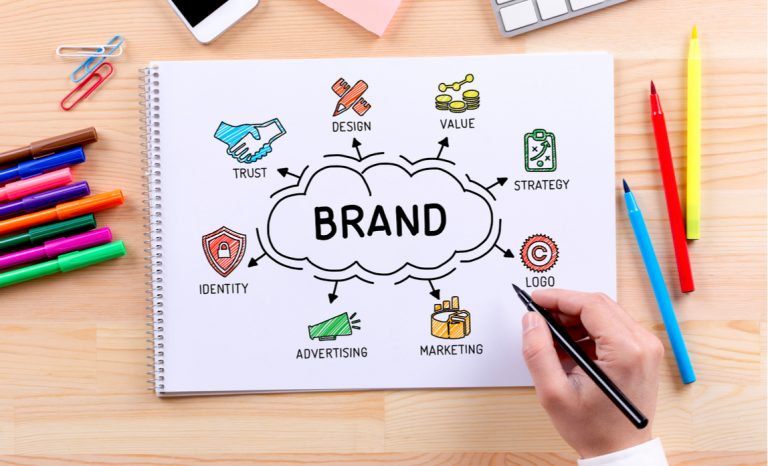
branding your brand inc takes center stage in a world where identity and perception shape business success. This journey into branding unravels the essential principles and strategies that can turn your brand into a memorable experience for your audience.
From understanding the basics of brand identity to diving deep into the nuances of visual branding and digital presence, we explore how successful brands create lasting impressions. Get ready to discover the secrets that make brands resonate and thrive in today’s competitive landscape.
Branding Basics
Branding is the process of creating a unique identity for a product, service, or company that distinguishes it from competitors. It encompasses the values, personality, and promise that the brand communicates to its audience. A strong brand is essential in business as it fosters customer loyalty, enhances recognition, and can significantly impact market share and profitability.Key elements of a strong brand identity include brand name, logo, color palette, typography, and brand voice.
Each element should work cohesively to communicate the brand’s essence and resonate with its target audience. A well-defined brand identity not only helps in attracting new customers but also in retaining existing ones by building trust and familiarity.
Elements of a Strong Brand Identity
Understanding the components that make up a strong brand identity is crucial for any business looking to establish itself in the marketplace. The following elements are fundamental:
- Brand Name: The name should be memorable, easy to pronounce, and reflective of the company’s mission or values.
- Logo: A visually impactful logo serves as the face of the brand, encapsulating its essence and making it easily recognizable.
- Color Palette: Colors evoke emotions and convey messages. A carefully chosen palette can elicit specific feelings and associations.
- Typography: The style of text used in branding materials communicates tone and personality. Consistency in typography reinforces the brand’s identity.
- Brand Voice: The language and tone used in communication should align with the brand’s personality, be it formal, casual, playful, or serious.
Successful brands often leverage these elements effectively to create a cohesive and engaging brand experience. For instance, Nike’s branding strategy emphasizes empowerment and athleticism, encapsulated in its iconic “Swoosh” logo and motivational tagline, “Just Do It.” This approach not only resonates with athletes but also inspires individuals to strive for their best, enhancing brand loyalty.Another example is Apple, whose minimalist design philosophy is evident in its logo, product design, and marketing materials.
Apple’s branding highlights innovation and quality, creating a strong emotional connection with consumers. Their consistent use of sleek visuals and straightforward messaging reinforces their identity as a premium brand in technology.In summary, branding is more than just a logo or a tagline; it is the entire experience that a customer has with a company. Establishing a strong brand identity requires careful consideration of all elements to create a memorable and impactful presence in the marketplace.
Brand Development Strategies

Creating a compelling brand involves a strategic approach that interweaves storytelling, market research, and a deep understanding of your target audience. A well-crafted brand not only communicates what your business stands for but also resonates with your audience on a personal level. This section will delve into essential strategies for brand development, focusing on brand storytelling, market research, and audience profiling.
Steps for Creating a Compelling Brand Story
A powerful brand story can differentiate your brand in a crowded market. It connects emotionally with consumers, fostering loyalty and trust. Here are the key steps to develop an engaging brand story:
1. Define Your Brand’s Purpose
Understand what drives your brand. This purpose should align with your values and mission.
2. Identify Your Unique Value Proposition
Determine what sets your brand apart from competitors. Highlight the benefits and features that make your brand special.
3. Know Your Audience
Research your audience to understand their needs, desires, and pain points. A well-defined target audience will help shape your narrative.
4. Craft the Narrative
Create a storyline that reflects your brand’s values, mission, and audience. Use relatable characters and scenarios to make your story engaging.
5. Utilize Multi-Channel Storytelling
Share your brand story across different platforms – social media, website, and advertising. Consistency in messaging strengthens brand recognition.
6. Evolve Your Story
As your brand grows, your story may need to evolve. Stay flexible and adapt your narrative to reflect new developments, customer feedback, and market changes.
“A brand story is not just about what you sell; it’s about why you sell it.”
Process of Conducting Market Research for Brand Positioning
Market research is crucial for effectively positioning your brand within the competitive landscape. It provides insights into consumer behavior, preferences, and market trends. The process includes:
Defining Research Objectives
Clearly Artikel what you aim to achieve through research. This may include understanding customer satisfaction, identifying market trends, or evaluating competitors.
Choosing Research Methods
Select appropriate methods such as surveys, focus groups, or interviews to gather qualitative and quantitative data.
Collecting Data
Analyze demographic data, customer feedback, and market trends. Utilize tools like Google Analytics, social media insights, and industry reports.
Analyzing Competitors
Conduct a SWOT analysis (Strengths, Weaknesses, Opportunities, Threats) of your competitors to understand their positioning and strategies.
Interpreting Data
Translate your findings into actionable insights. Identify gaps in the market that your brand can fill or areas where you can improve.
Developing Positioning Strategies
Based on research insights, craft a brand positioning statement that clearly articulates how you want your brand to be perceived in the market.
Methods for Defining Target Audience Demographics and Psychographics
Understanding your target audience’s demographics and psychographics is essential for effective marketing and brand positioning. Here’s how to define them:
1. Demographic Analysis
Collect data on age, gender, income level, occupation, education, and geographic location. This quantitative information provides a foundation for understanding your audience.
2. Psychographic Profiling
Dive deeper into the emotional and psychological aspects of your audience. Analyze their interests, values, hobbies, and lifestyle choices to create a more rounded profile.
3. Creating Buyer Personas
Develop detailed buyer personas that represent segments of your target audience. Include data on demographics, behaviors, and motivations.
4. Utilizing Surveys and Feedback
Use surveys and customer feedback to directly gather insights from your audience. Questions can be crafted to unveil preferences, challenges, and aspirations.
5. Behavioral Analysis
Monitor online behaviors through website analytics and social media engagement. Understanding how your audience interacts with your brand can inform your marketing strategies.
6. Segmenting Your Audience
Based on the gathered data, categorize your audience into segments. This allows for tailored marketing efforts that resonate more effectively with each group.
“Knowing your audience shapes the way you communicate your brand.”
Visual Branding
Visual branding is a critical aspect of any business strategy, serving as the first encounter a consumer has with a brand. It encompasses various elements that work together to create a cohesive identity, effectively communicating the brand’s values and mission. A well-executed visual branding strategy not only enhances recognition but also fosters an emotional connection with the target audience.The significance of logo design in establishing brand recognition cannot be overstated.
A logo acts as the face of the brand, encapsulating its essence in a simple graphic. When designed effectively, it becomes instantly recognizable, serving as a mnemonic device for consumers. For instance, the iconic swoosh of Nike or the golden arches of McDonald’s are not just symbols; they evoke strong associations and emotions tied to the brands. These logos help consumers identify and differentiate brands within a crowded marketplace, playing a crucial role in building brand loyalty.
Role of Color Psychology in Branding
Color psychology plays a pivotal role in branding, influencing consumer perceptions and behaviors. Different colors evoke specific emotions and associations, making strategic color choices essential for effective branding. For example, the color blue is often associated with trust and dependability, which is why many financial institutions use it in their branding. In contrast, red can evoke feelings of excitement and urgency, making it popular among food brands aiming to stimulate appetite.Incorporating color psychology into branding involves understanding the target audience and the emotional responses desired.
Here are some commonly associated meanings of colors in branding:
- Red: Passion, excitement, and urgency.
- Blue: Trust, dependability, and calmness.
- Green: Growth, health, and tranquility.
- Yellow: Optimism, creativity, and warmth.
- Purple: Luxury, wisdom, and ambition.
Utilizing these associations can enhance a brand’s effectiveness in conveying its message and connecting with consumers on a deeper level.
Guidelines for Developing a Consistent Visual Style
Creating a consistent visual style is essential for reinforcing brand identity across all platforms. A cohesive visual style ensures that every touchpoint a consumer has with the brand is aligned, enhancing recognition and trust. Below are key guidelines to establish and maintain a consistent visual style:
1. Define Brand Elements
Establish a clear definition of brand elements such as logo, color palette, typography, and imagery style. This foundational work provides a reference point for all visual materials.
2. Create a Style Guide
Develop a comprehensive style guide detailing the usage of logos, colors, fonts, and image styles. This guide should be utilized by anyone creating brand materials, ensuring uniformity in representation.
3. Adapt for Different Platforms
While maintaining consistency, adapt visuals to suit various platforms. For instance, social media graphics might need different dimensions or styles than print materials, but the core visual identity should remain intact.
4. Regularly Review and Update
Periodically assess visual branding elements to ensure they remain relevant and effective. Trends and audience preferences evolve, so staying current is essential for ongoing brand resonance.
5. Engage Professional Designers
Collaborating with professional designers can significantly enhance the quality of visual branding. Expertise in graphic design can lead to more polished and effective branding outcomes.
“A consistent visual style not only enhances brand recognition but also builds trust and loyalty among consumers.”
Brand Voice and Messaging
Establishing a unique brand voice and consistent messaging is crucial for connecting with your audience. A well-defined brand voice not only differentiates your brand from competitors but also fosters trust and loyalty among consumers. By tailoring your communication style, you can create a lasting impression that resonates with your target demographics and reinforces your brand values.To develop a unique brand voice, identify the traits that represent your brand’s personality.
Consider the emotions you want to evoke in your audience and how those emotions align with your brand’s mission and values. Your brand voice should remain consistent across all platforms, ensuring that your audience receives the same message regardless of how they engage with your brand.
Strategies for Effective Brand Messaging
Creating effective brand messaging requires a clear understanding of your audience and the channels you use to reach them. Here are some key strategies to consider:
Understand Your Audience
Conduct market research to grasp your target audience’s needs, preferences, and pain points. This understanding will shape your messaging to resonate deeply with them.
Define Your Key Messages
Clearly articulate the main points you want your audience to remember about your brand. These messages should align with your brand’s core values and mission.
Tailor Content for Each Channel
Different platforms have unique characteristics and user expectations. Adapt your messaging style and content format to suit each channel while maintaining your brand voice.
Use Engaging and Relatable Language
The use of conversational language can help humanize your brand. Avoid jargon or overly complex terms that may alienate your audience.
Incorporate Visual Elements
Pair your messaging with visuals that support and enhance your narrative. This could include infographics, videos, or images that align with your brand story.
Importance of Storytelling in Brand Communication
Storytelling serves as a powerful tool in brand communication, allowing businesses to convey their values and mission in a relatable manner. Stories help create emotional connections with consumers, making your brand more memorable. When well-executed, storytelling can transform abstract concepts into concrete narratives that resonate with your audience. Successful brands often utilize storytelling to illustrate their purpose and values. For instance, a sustainable clothing brand might share stories about the artisans who create their products, highlighting their craftsmanship and dedication to ethical practices.
This not only builds credibility but also engages consumers on a deeper level, forging a sense of community and shared values.Incorporating storytelling into your brand messaging involves structuring your content to include characters, challenges, and resolutions. This narrative framework helps convey complex ideas in an accessible way, making it easier for your audience to connect with your brand’s mission and values.
Digital Branding
In today’s digital landscape, establishing a vibrant online brand presence is essential for businesses of all sizes. A strong digital brand not only engages customers but also differentiates a business from its competitors. With a comprehensive approach to digital branding, companies can leverage various platforms and tools to create a cohesive narrative that resonates with their audience.The essential components of a robust online brand presence include a well-designed website, active social media channels, search engine optimization (), and consistent messaging across all platforms.
Each of these elements plays a crucial role in shaping how customers perceive your brand and can significantly influence their purchasing decisions.
Components of a Strong Online Brand Presence
To effectively craft an online brand, it is important to integrate the following components. Each element contributes to a unified branding experience for your audience.
- Website: Your website serves as the digital storefront. It should be user-friendly, visually appealing, and align with your brand’s identity. Prioritize mobile optimization and ensure fast loading times.
- Social Media: Utilize platforms like Instagram, Facebook, Twitter, and LinkedIn to engage with your audience. Share valuable content and interact with followers to create a community around your brand.
- : Optimize your website for search engines to increase visibility. Use relevant s, create quality content, and ensure your website is technically sound to improve rankings.
- Content Marketing: Develop and share content that adds value to your audience, such as blogs, videos, and infographics. This positions your brand as an authority in your industry.
- Email Marketing: Build a mailing list to maintain contact with your customers. Send newsletters, offers, and personalized content to keep your audience engaged.
Role of Social Media in Building and Maintaining a Brand
Social media plays a pivotal role in branding, enabling businesses to connect directly with their customers. It serves as a platform for storytelling and customer interaction, thus humanizing the brand and fostering loyalty. A strategic social media presence can amplify brand awareness and create a dialogue with consumers.Social media allows brands to showcase their personality and values through various types of content, including posts, stories, and live sessions.
It’s also an effective channel for customer feedback, which can be invaluable for improvement and adaptation.
“Social media is not just an activity; it is an investment of valuable time and resources.”
Checklist for Optimizing Your Website for Brand Consistency
Maintaining brand consistency across your website is crucial for reinforcing your brand identity. Here’s a checklist to ensure your website aligns with your overall branding strategy:
- Brand Colors: Use a consistent color palette that reflects your brand’s personality throughout your site.
- Logo Placement: Ensure your logo is visible on every page, prominently placed to enhance recognition.
- Typography: Stick to a specific set of fonts that are used consistently across all site text to maintain a cohesive look.
- Imagery: Use high-quality images that align with your brand’s style and values, avoiding stock photos that feel generic.
- Content Tone: Maintain a consistent voice and tone in your written content that reflects your brand’s personality.
- User Experience: Ensure navigation is intuitive, and the user journey aligns with your brand ethos, making it easy for visitors to engage with your content.
Brand Monitoring and Adaptation
In an ever-evolving marketplace, understanding how your brand is perceived is essential for maintaining relevance and connection with your audience. Brand monitoring and adaptation involve tracking shifts in consumer perceptions and behaviors, allowing brands to respond effectively to ensure ongoing engagement and loyalty. This section delves into the importance of tracking brand perception, gathering valuable customer feedback, and adapting branding strategies based on insights and market trends.
Methods for Tracking Brand Perception
To effectively monitor how your brand is perceived in the marketplace, various methods can be employed. These approaches provide valuable insights into consumer opinions and sentiments surrounding your brand.
- Social Media Monitoring: Tracking brand mentions, comments, and sentiments across platforms such as Twitter, Facebook, and Instagram provides real-time insights into public perception.
- Surveys and Polls: Conducting regular surveys enables brands to gauge customer satisfaction and collect opinions directly from their audience, revealing areas for improvement.
- Online Reviews and Ratings: Analyzing feedback on platforms like Google My Business and Yelp helps brands understand consumer sentiments and identify potential issues.
- Website Analytics: Utilizing tools like Google Analytics to track user behavior on your site offers insights into consumer engagement and interest in specific products or services.
Tools and Techniques for Customer Feedback Gathering
Gathering customer feedback is essential for understanding the effectiveness of branding efforts and making informed decisions. Several tools and techniques can facilitate this process.
- Feedback Forms: Simple forms on websites allow customers to share their experiences and suggestions directly, making it easy to collect insights.
- Net Promoter Score (NPS): This widely-used metric measures customer loyalty and satisfaction, helping brands determine how likely customers are to recommend their products or services.
- Focus Groups: Conducting focus group discussions with a diverse group of customers provides in-depth qualitative feedback on branding efforts and perceptions.
- Customer Interviews: One-on-one discussions can uncover detailed insights into customer experiences and expectations, revealing deeper layers of brand perception.
Strategies for Adapting Brand Based on Market Trends
Adapting your brand in response to market trends and consumer insights is crucial to staying relevant and competitive. Implementing effective strategies ensures that your brand evolves alongside its audience.
- Trend Analysis: Regularly reviewing industry trends and emerging consumer behaviors helps brands stay ahead of the curve and anticipate changes in preferences.
- Agile Branding: Developing a flexible branding strategy allows for quick adjustments in messaging and visuals based on real-time consumer feedback and market conditions.
- Customer-Centric Innovations: Implementing changes to products or services that reflect customer preferences enhances brand loyalty and satisfaction, ensuring that offerings remain relevant.
- Collaborative Initiatives: Partnering with influencers or other brands that resonate with your target market can drive engagement and refresh brand perception.
“Staying adaptable in branding is not just about responding to changes but anticipating them.”
Brand Partnerships and Collaborations
Strategic brand partnerships and collaborations can significantly enhance a brand’s growth trajectory. When two or more brands come together, they can combine their strengths, resources, and customer bases, creating a powerful synergy that benefits all parties involved. These collaborations not only expand reach but also enhance brand credibility and visibility in the market.Brand partnerships can lead to multiple advantages, such as increased market reach, shared resources, and improved innovation.
When brands align their goals and values, they can leverage each other’s strengths to deliver unique offerings and experiences to their customers. This can lead to improved customer loyalty, increased sales, and a stronger market presence.
Benefits of Strategic Partnerships
Exploring the benefits of strategic partnerships reveals how they can create value for all stakeholders involved. Key benefits include:
- Expanded Audience Reach: Collaborations can introduce brands to new customer segments, increasing their overall market presence.
- Resource Sharing: Brands can pool their resources, from technology to marketing efforts, creating cost efficiencies and enhanced capabilities.
- Enhanced Innovation: Partnering with another brand can spark new ideas and solutions, driving innovation through diverse perspectives.
- Increased Credibility: Aligning with reputable brands can enhance credibility and trust among consumers, as partnerships often signify quality and reliability.
- Improved Customer Experience: Collaborative efforts can lead to unique product offerings and experiences that differentiate brands in a competitive landscape.
Successful Brand Collaborations
Several notable brand collaborations have demonstrated the powerful impact of strategic partnerships on brand growth. Examples include:
- Adidas and Parley for the Oceans: This partnership focuses on sustainability by creating footwear and apparel from recycled ocean plastic, enhancing both brands’ commitment to environmental protection and appealing to eco-conscious consumers.
- Starbucks and Spotify: This collaboration allows Starbucks customers to influence the in-store music selection, blending coffee culture with music discovery and enhancing customer engagement.
- Coca-Cola and McDonald’s: Their long-term partnership has involved co-branding initiatives, ensuring that Coca-Cola products are prominently featured in McDonald’s restaurants, benefiting both brands through increased visibility and sales.
- GoPro and Red Bull: This partnership has combined GoPro’s action cameras with Red Bull’s extreme sports marketing, creating compelling content that resonates with adventure enthusiasts and aligns with both brands’ identities.
Framework for Assessing Potential Partners
To ensure that partnerships align with your brand values and objectives, a structured assessment framework is essential. Consider the following criteria:
- Shared Values: Identify partners that share similar core values and missions to ensure alignment and authenticity in collaboration.
- Complementary Strengths: Evaluate potential partners based on their strengths that complement your brand’s offerings, allowing for enhanced value creation.
- Market Fit: Analyze whether the potential partner has a solid presence in a market segment that aligns with your target audience, ensuring relevance and mutual benefit.
- Long-term Vision: Assess the long-term goals of potential partners to ensure a shared vision for growth and impact, minimizing risk of misalignment.
- Reputation and Credibility: Research the partner’s reputation to ensure they possess a strong market presence and credibility that will enhance your brand image.
Case Studies in Branding
Branding is a dynamic process that can determine the success or failure of a company. By analyzing well-known brands and their branding journeys, we gain insights into effective strategies and potential pitfalls. This section explores various branding approaches within the same industry, highlighting lessons learned from notable rebranding efforts.
Branding Journeys of Iconic Brands
Several brands have successfully navigated the complexities of branding, showcasing diverse approaches and strategic pivots. Here are a few notable examples that stand out:
- Coca-Cola: Coca-Cola’s branding journey emphasizes consistency and emotional connection. The brand’s iconic red and white color scheme, combined with its timeless logo, has created a strong, recognizable identity. Their marketing campaigns, such as “Share a Coke,” tapped into personalized experiences that resonate with consumers on an emotional level.
- Apple: Apple’s branding strategy focuses on simplicity and innovation. The brand cultivated a reputation for high-quality design and user-friendly technology. Their marketing often emphasizes lifestyle aspirations, portraying their products as essential tools for creative expression and productivity.
- Nike: Nike has successfully built a strong brand identity centered around empowerment and motivation. The “Just Do It” slogan encapsulates their mission to inspire athletes of all levels. Their branding leverages athlete endorsements and partnerships to reinforce authenticity and relatability.
Comparative Branding Approaches within the Beverage Industry
Examining the beverage industry reveals contrasting branding strategies, particularly between Coca-Cola and Pepsi. Both brands employ distinct marketing tactics to capture market share and consumer loyalty.
- Coca-Cola: Coca-Cola relies heavily on nostalgia and emotional branding. Their advertisements often evoke memories of shared experiences, linking the product with positive emotions. Seasonal campaigns, such as their holiday advertisements, further reinforce these sentiments.
- Pepsi: Conversely, Pepsi targets a younger demographic through trend-driven marketing. Their campaigns often feature contemporary music, pop culture references, and celebrity endorsements, aiming to connect with a youthful audience seeking innovation and excitement.
Lessons from Notable Rebranding Efforts
Rebranding can be a double-edged sword, as illustrated by the experiences of several well-known companies. The following examples highlight significant lessons learned from rebranding efforts.
- Gap: Gap’s attempt to rebrand its logo in 2010 faced public backlash, leading to the swift reinstatement of the original logo. This incident underscores the importance of consumer feedback and the risks associated with altering established brand identities.
- Old Spice: Old Spice successfully revitalized its brand through a clever marketing campaign targeting a younger audience. By reimaging its advertising and incorporating humor and creativity, Old Spice transformed from an outdated brand to a trendy choice for men’s grooming products.
- Burberry: Burberry’s rebranding strategy involved modernizing its image while maintaining its heritage. Through strategic partnerships and celebrity endorsements, Burberry repositioned itself as a luxury brand appealing to a younger, more fashion-forward audience.
Outcome Summary
In conclusion, mastering branding your brand inc is not just about creating a logo or a catchy tagline; it’s about weaving a narrative that connects with your audience on multiple levels. By applying the strategies discussed, you can elevate your brand to new heights, ensuring it stands out and leaves a significant impact in the marketplace.
Questions and Answers
What is the first step in branding my company?
The first step is defining your brand’s mission, vision, and values to establish a strong foundation.
How important is market research in branding?
Market research is crucial as it helps you understand your target audience and competition, guiding your branding strategies.
What role does social media play in branding?
Social media is vital for building brand awareness, engaging with customers, and showcasing your brand personality.
How do I maintain brand consistency?
Develop a style guide and ensure all team members adhere to it across all platforms and communications.
What should I do if my brand is not resonating with the audience?
Gather feedback, reassess your branding strategies, and be open to adapting your approach to better meet audience expectations.