June 3, 2026

With bitcoin staking meaning at the forefront, this concept opens up a fascinating world where cryptocurrency meets innovative investment strategies. Imagine earning rewards simply by holding onto your Bitcoin, allowing it to work for you while you enjoy the benefits of a growing digital economy.

Bitcoin staking involves locking up your coins to support the network and, in return, you receive staking rewards. Unlike traditional mining, which requires extensive computational power, staking offers an accessible alternative that not only enhances network security but also provides a steady stream of income for participants.

Understanding Bitcoin Staking

Bitcoin staking is a relatively newer concept in the world of cryptocurrency, where holders of Bitcoin can participate in the network’s security and operations without the need for extensive computational power. Unlike traditional mining, which relies on powerful hardware to solve complex mathematical problems, staking involves locking up a certain amount of Bitcoin to support the network’s operations. In return, participants earn rewards in the form of additional Bitcoin.

This process not only contributes to network stability but also offers an opportunity for investors to earn passive income.Staking differs significantly from traditional cryptocurrency mining. While mining is energy-intensive and requires specialized equipment, staking minimizes the ecological footprint and democratizes participation. The benefits of staking Bitcoin include potential rewards for loyalty, reduced energy consumption, and a more secure network. In essence, it’s a win-win situation for both the participant and the Bitcoin ecosystem.

The Mechanics of Bitcoin Staking

To engage in Bitcoin staking, one must understand the technical processes involved. Staking generally requires participants to lock their Bitcoin in a wallet that supports staking. This wallet will validate transactions and add new blocks to the blockchain, with the staked Bitcoin serving as collateral. The rewards earned from staking depend on the amount of Bitcoin staked and the total number of participants in the staking process.Participation in Bitcoin staking requires certain conditions to be met.

Users need a compatible wallet, a minimum amount of Bitcoin to stake, and a good understanding of the staking process. Here’s a step-by-step guide to getting started with Bitcoin staking:

  1. Select a staking wallet that supports Bitcoin.
  2. Acquire the minimum amount of Bitcoin required for staking.
  3. Transfer the Bitcoin to your staking wallet.
  4. Initiate the staking process through the wallet interface.
  5. Monitor your staking rewards and adjust your strategy as needed.

Risks and Considerations

While staking Bitcoin offers multiple benefits, it’s essential to acknowledge the potential risks involved. Market volatility can significantly impact staking rewards. For instance, if the value of Bitcoin drops sharply, the rewards earned may not compensate for the loss in asset value. Additionally, staking exposes participants to risks such as network issues and potential software vulnerabilities.To mitigate these risks while staking, participants should adopt robust security measures.

This includes using hardware wallets for added protection, regularly updating wallet software, and diversifying their staking investments.

Comparing Staking to Other Investment Strategies

Comparing Bitcoin staking to other investment strategies reveals distinct advantages. For example, simply holding Bitcoin, known as HODLing, does not yield any additional returns. In contrast, staking allows holders to earn rewards passively. Here’s a breakdown of how staking compares to trading and HODLing:

Strategy Rewards Risk Level Effort Required
Staking Earn additional Bitcoin Moderate Low
Trading Profits from price fluctuations High High
HODLing No additional earnings Moderate Low

Future of Bitcoin Staking

The future of Bitcoin staking looks promising, with several trends indicating growth in this area. Predictions suggest that as more users become aware of staking benefits, the adoption rate will rise. Additionally, regulatory changes could impact how staking is conducted, potentially providing a more structured environment for participants.Technological advancements are also likely to enhance staking practices, making it easier and safer for users to stake their Bitcoin.

Innovations such as Layer 2 solutions could improve transaction speeds and reduce costs, further encouraging staking participation.

Community Perspectives on Bitcoin Staking

Community perspectives on Bitcoin staking vary, but many individuals who stake their Bitcoin report positive experiences. Testimonials highlight the ease of earning rewards compared to traditional trading methods. However, some community members express skepticism about the long-term viability of staking.A discussion around the governance of staking platforms is essential, as it can influence user trust and participation rates. Engaging with the community on these topics can lead to a richer understanding of Bitcoin staking’s potential and challenges.

Tools and Platforms for Bitcoin Staking

Several platforms facilitate Bitcoin staking, each offering unique features and functionalities. Some popular options include Binance, Kraken, and BlockFi. These platforms allow users to stake their Bitcoin with varying degrees of flexibility and reward structures.When choosing a staking platform, it’s important to consider the pros and cons. Here’s a comparison table of different staking platforms:

Platform Pros Cons
Binance High liquidity, user-friendly interface Regulatory scrutiny
Kraken Strong security measures, good reputation Limited staking options
BlockFi Interest on Bitcoin, easy access Lower staking rewards

Closing Summary

As we explore the landscape of bitcoin staking, it’s clear that this investment strategy offers unique opportunities and challenges alike. By understanding the mechanics, risks, and future prospects of staking, investors can make informed decisions and potentially reap significant rewards in the evolving world of cryptocurrency.

FAQ Corner

What is the main difference between staking and mining?

Staking involves locking up cryptocurrency to earn rewards, while mining requires solving complex mathematical problems to validate transactions.

Can anyone participate in bitcoin staking?

Yes, as long as you meet the requirements set by the staking platform you choose.

Is there a minimum amount of Bitcoin required to stake?

Minimum amounts vary by platform, so it’s important to check the specific requirements where you plan to stake.

How are staking rewards calculated?

Rewards are typically calculated based on the amount of Bitcoin you stake and the overall network’s staking parameters.

Are staking rewards guaranteed?

No, staking rewards can fluctuate based on market conditions and the performance of the network.

crypto coins and trump sets the stage for this enthralling narrative, offering readers a glimpse into a story that is rich in detail and brimming with originality from the outset.

In the rapidly evolving world of digital finance, cryptocurrency has emerged as a formidable player, influencing economies and reshaping traditional financial systems. At the same time, Donald Trump’s presidency brought unique dynamics to the financial landscape, impacting various markets and generating significant discourse around digital currencies. This exploration delves into the interconnectedness of crypto coins and Trump’s policies, examining how his political stance and business acumen have influenced the trajectory of cryptocurrencies.

Overview of Crypto Coins

Donald Trump Airdropped half of TROG Memecoin Supply - Holds  ...

Crypto coins, also known as cryptocurrencies, represent a revolutionary form of digital currency that operates on decentralized technology called blockchain. They play a crucial role in the digital economy by enabling peer-to-peer transactions without the need for intermediaries like banks. This innovation has led to increased accessibility and efficiency in financial transactions, disrupting traditional banking systems.The crypto market has seen a surge in popularity and diversity, with numerous coins gaining traction.

Here’s a look at some of the most popular crypto coins:

  • Bitcoin (BTC): The first and most well-known cryptocurrency, Bitcoin has maintained its status as the largest by market capitalization.
  • Ethereum (ETH): Known for its smart contract functionality, Ethereum has become a foundation for numerous decentralized applications.
  • Binance Coin (BNB): Initially created as a utility token for the Binance exchange, it has grown into a prominent digital asset.
  • Cardano (ADA): This coin focuses on sustainability and scalability, making strides in smart contract capabilities.
  • Solana (SOL): Recognized for its high throughput and low transaction costs, Solana has become a choice for decentralized applications and finance.

Market trends indicate a growing acceptance of cryptocurrencies among mainstream investors and businesses, with fluctuating prices driven by market sentiment and regulatory news. The underlying technology, blockchain, allows secure and transparent transaction recording, which is vital for the integrity of crypto coins.

Donald Trump’s Influence on Financial Markets

During his presidency, Donald Trump had a notable impact on various financial markets, including stock, bond, and cryptocurrency sectors. His policies and public statements often triggered fluctuations, as investors reacted to his administration’s stance on economic issues.Trump made several comments regarding digital currencies, often expressing skepticism about their legitimacy. His statements suggested that he preferred traditional fiat currencies, which had implications for the market as investors weighed his views alongside the growth of cryptocurrency adoption.

The intersection of Trump’s economic policies with the rise of cryptocurrencies reflects a complex dynamic where regulatory uncertainty can either hinder or bolster the digital currency landscape.

The Intersection of Trump and Crypto Coins

Trump: make sure cryptocurrency future happens in the US - WOYOU

Trump’s references to cryptocurrency have been sporadic but noteworthy. On a few occasions, he has publicly criticized Bitcoin, labeling it as a potential threat to the U.S. dollar, which can lead to increased volatility in crypto valuations. Notably, trends in crypto coin valuations often reflect the timing of Trump’s political events or public statements, leading to market speculation.Public reaction to Trump’s views on cryptocurrencies has been mixed.

While some investors welcomed the debate, others expressed concern over potential regulatory crackdowns that could stifle innovation in the crypto space. Observing these patterns helps to understand the broader implications of a political figure’s influence on emerging technologies.

Political Support for Cryptocurrency

The political landscape surrounding cryptocurrencies is evolving, with various figures in Trump’s administration expressing support or skepticism towards digital assets. Politicians who have been allied with Trump often view cryptocurrencies as a way to promote financial innovation and economic growth.Here’s a table highlighting political figures and their stance on cryptocurrency initiatives:

Name Position Stance on Cryptocurrency
Steve Mnuchin Former Secretary of the Treasury Skeptical, advocated for regulation.
Patrick McHenry U.S. Representative Supportive, pushed for innovation.
Michael Novogratz CEO of Galaxy Digital Proponent, believes in cryptocurrency’s long-term potential.

Legislative efforts influenced by Trump have included discussions around crypto regulation, aiming to create a framework that balances innovation with consumer protection.

The Future of Crypto Coins under Trump’s Policies

The future of cryptocurrencies may be shaped significantly by Trump’s economic policies. Potential outcomes could include increased regulatory scrutiny as well as initiatives that promote digital innovation. Experts suggest that as cryptocurrencies continue to gain traction, Trump’s administration might adopt a more balanced approach, recognizing the potential benefits of blockchain technology while addressing regulatory concerns.Expert opinions indicate that sustainability in the crypto market will depend on the ability of cryptocurrencies to adapt to regulatory changes while maintaining their core values of decentralization and security.

Discussions among industry leaders suggest that Trump’s policies may influence the trajectory of digital currencies in ways that could either foster growth or create obstacles.

Case Studies of Crypto Coins during Trump’s Era

Several crypto coins have experienced significant changes in value during Trump’s presidency, reflecting broader market trends and investor sentiment. For instance, Bitcoin saw dramatic price fluctuations surrounding major political events and announcements, including Trump’s impeachment and the 2020 election.Events like the COVID-19 pandemic and the subsequent economic packages proposed by Trump further impacted the crypto market. The uncertainty and volatility drove many investors towards cryptocurrencies as a hedge against inflation.

Analyzing the performance of specific coins before, during, and after Trump’s tenure reveals a correlation between political events and market dynamics within the crypto space.

Public Perception of Trump and Crypto Coins

Public opinion on Trump’s views regarding cryptocurrency has been largely influenced by his statements and the overall media portrayal of his policies. Surveys indicate a divided perception among the public, with some viewing Trump as a barrier to cryptocurrency acceptance while others appreciate his straightforwardness.Trump’s statements have played a role in shaping public trust in cryptocurrencies. As people assess his views alongside market fluctuations, the relationship between political rhetoric and crypto sentiments becomes evident.

Key milestones that highlight this relationship can be summarized in the following table:

Date Event Impact on Crypto Sentiment
July 2019 Trump tweets about Bitcoin Initial skepticism, market volatility.
December 2020 Trump signs COVID-19 relief bill Boost in Bitcoin price, increased interest in crypto.
March 2021 Trump’s interview on crypto regulation Mixed reactions, concerns over future regulations.

This data underscores how political discourse can influence market sentiment and public perception surrounding cryptocurrencies.

Last Word

As we conclude this exploration of the relationship between crypto coins and Trump, it becomes evident that both elements have an intricate connection that continues to evolve. The future of cryptocurrencies may still be uncertain, but Trump’s influence on market trends and public perception provides a compelling backdrop that warrants attention. The intersection of politics and digital currencies creates both challenges and opportunities, making it a fascinating subject for ongoing discussion.

Clarifying Questions

How did Trump influence cryptocurrency markets?

Trump’s statements and policies often led to fluctuations in cryptocurrency valuations, reflecting investor sentiment and market reactions.

What are the popular crypto coins associated with Trump’s era?

During Trump’s presidency, coins like Bitcoin and Ethereum gained significant attention as their market trends were influenced by political events.

Did Trump’s administration support any cryptocurrency initiatives?

Yes, some allies of Trump provided support for cryptocurrency regulation and initiatives aimed at fostering the digital currency ecosystem.

How do public perceptions of Trump affect crypto investments?

Public trust in Trump and his views on cryptocurrency can impact investor confidence, thus influencing crypto market dynamics.

What regulatory changes for crypto coins occurred during Trump’s presidency?

Trump’s administration initiated discussions around cryptocurrency regulation, potentially shaping future policies and legislative efforts.

The rise of digital currencies has ushered in a new era of financial literacy, making cryptocurrency college courses essential for anyone looking to navigate this complex landscape. These courses offer a foundation for understanding the principles of blockchain, trading strategies, and the evolving regulatory environment, equipping students with the skills they need in today’s economy. With the potential to lead to various career opportunities, from financial analysis to regulatory compliance, the significance of these courses cannot be understated.

As institutions worldwide begin to recognize the demand for cryptocurrency education, they are crafting comprehensive curricula that cover a range of topics, making this an exciting field for both aspiring investors and established professionals. Whether through online platforms, in-person lectures, or hybrid formats, students can find programs tailored to their interests and career goals.

Overview of Cryptocurrency College Courses

Cryptocurrency Ethereum Blockchain Bitcoin Altcoins HQ Image Free PNG ...

Cryptocurrency education is becoming increasingly essential in today’s rapidly evolving economy. As digital currencies gain traction and more individuals and institutions engage with them, understanding the underlying principles and technologies becomes crucial. Cryptocurrency college courses provide structured learning pathways, equipping students with the necessary skills and knowledge to navigate this complex landscape.Typical topics covered in cryptocurrency courses include blockchain technology, cryptocurrency trading strategies, market analysis, and regulatory frameworks.

These courses not only delve into the technical aspects of cryptocurrencies but also explore their economic impact and potential for innovation. Graduates of cryptocurrency programs can pursue a variety of career paths, such as blockchain developers, financial analysts, compliance officers, and educators in the field of digital finance.

Types of Cryptocurrency Courses Offered

There is a diverse range of cryptocurrency courses available that cater to different learning preferences and schedules. These courses can be categorized into three main formats: online, in-person, and hybrid. Online courses provide flexibility and accessibility, allowing students to learn at their own pace, while in-person classes offer direct interaction and networking opportunities. Hybrid models combine both formats, giving students the best of both worlds.Key subjects often included in cryptocurrency courses are:

  • Blockchain Technology: Understanding the structure, function, and applications of blockchain.
  • Trading Strategies: Techniques and methods for successful trading in cryptocurrency markets.
  • Regulation: Overview of legal considerations and compliance in the cryptocurrency space.

Additionally, specialized courses may focus on niche areas such as cryptocurrency mining, which covers the technical process of generating new coins, or crypto law, which addresses the legal frameworks governing digital currencies.

Curriculum Development for Cryptocurrency Courses

Designing an effective cryptocurrency course syllabus involves careful planning and consideration of essential modules. A well-rounded curriculum typically includes foundational topics like blockchain fundamentals, cryptocurrency history, wallet management, and investment strategies. Furthermore, practical projects and case studies play a vital role in bridging theoretical knowledge with real-world applications, enabling students to gain hands-on experience.Incorporating guest lectures from industry experts or hosting panel discussions can significantly enhance the learning experience.

These opportunities allow students to engage with professionals who are actively shaping the cryptocurrency landscape, fostering a deeper understanding of current trends and challenges.

Institutions Offering Cryptocurrency Courses

Numerous universities and colleges worldwide are now offering specialized programs in cryptocurrency education. Notable institutions include Stanford University, Massachusetts Institute of Technology (MIT), and the University of Oxford, each with unique strengths and focus areas. For example, MIT is known for its cutting-edge research and innovation in blockchain technology, while Stanford emphasizes the legal and regulatory aspects of cryptocurrency.When comparing these institutions, it is essential to consider their reputation, course offerings, and the specific expertise of faculty members.

There is a noticeable trend toward increased geographical distribution of cryptocurrency courses, with growing interest in regions outside of traditional tech hubs, reflecting a broader acceptance of cryptocurrency education.

Benefits of Taking Cryptocurrency Courses

Cryptocurrency Free Stock Photo - Public Domain Pictures

Enrolling in cryptocurrency courses offers numerous advantages for both aspiring professionals and personal investors. Formal education in cryptocurrency can provide individuals with a strong foundation, enhancing their understanding of market dynamics and investment opportunities. This knowledge can be particularly beneficial for personal investors seeking to make informed decisions.Moreover, completing a cryptocurrency program can bolster an individual’s resume, showcasing specialized skills in a rapidly growing sector.

The demand for knowledgeable professionals in finance and technology continues to rise, making these credentials highly valuable. Networking opportunities arise from enrolling in such programs, allowing students to connect with peers and industry professionals who can provide guidance and support throughout their careers.

Challenges in Cryptocurrency Education

Despite the growing interest in cryptocurrency education, students face several challenges when engaging with these topics. One significant hurdle is the complexity of the subject matter, as many concepts require a solid understanding of both technical and financial principles. Additionally, the rapidly changing nature of the cryptocurrency landscape can impact the relevance of course content, necessitating continuous updates and adaptations.Students must also embrace a mindset of lifelong learning, as the cryptocurrency space is characterized by rapid innovation and evolution.

Staying informed about the latest developments, trends, and regulatory changes is crucial for anyone looking to succeed in this dynamic field.

Future of Cryptocurrency Education

Emerging trends in cryptocurrency education highlight the increasing integration of technology in coursework. For instance, many programs are now incorporating online simulations for trading practices and blockchain development. This technological integration enhances the educational experience, making it more interactive and engaging.The potential for interdisciplinary courses is also on the rise, with programs combining cryptocurrency studies with fields such as economics, law, and information technology.

Such courses can provide a more holistic understanding of the implications of cryptocurrencies across various sectors. Looking ahead, it is expected that cryptocurrency curricula will continue to evolve, adapting to the industry’s needs and incorporating new technologies and methodologies over the next decade.

Conclusive Thoughts

In summary, cryptocurrency college courses are not just a passing trend but a vital part of modern education that prepares students for an increasingly digital financial world. With innovative curricula, expert insights, and a variety of formats available, these programs offer significant benefits and networking opportunities for individuals looking to advance in the finance sector. As the cryptocurrency landscape continues to evolve, the opportunities for learning and growth in this field are boundless.

Expert Answers

What types of cryptocurrency courses are available?

Courses can vary from online, in-person, to hybrid formats, covering subjects like blockchain technology, trading strategies, and regulations.

Are cryptocurrency courses suitable for beginners?

Yes, many courses are designed to cater to all levels, from beginners to advanced learners.

What careers can I pursue after taking cryptocurrency courses?

Graduates can work in various roles such as financial analysts, compliance officers, blockchain developers, and more.

How important is certification in cryptocurrency education?

Certification can enhance your resume and demonstrate expertise to potential employers in a competitive job market.

Do these courses offer practical experience?

Many programs incorporate practical projects, case studies, and guest lectures to provide real-world insights.

With xrp company value at the forefront, we dive into the fascinating world of XRP, a digital asset that plays a crucial role in reshaping the financial landscape. This overview invites you to explore how XRP’s unique features position it within the broader cryptocurrency ecosystem and why understanding its company value is essential for investors and enthusiasts alike.

XRP is not just any cryptocurrency; it represents innovative technology and partnership strategies that greatly influence its market valuation. By examining its historical performance, current standing, and the impact of regulatory changes, we can gain insights into the factors that contribute to its dynamic value.

Introduction to XRP Company Value

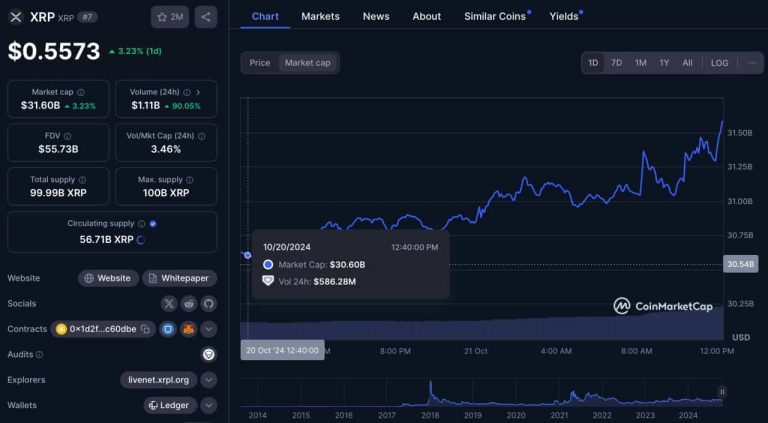
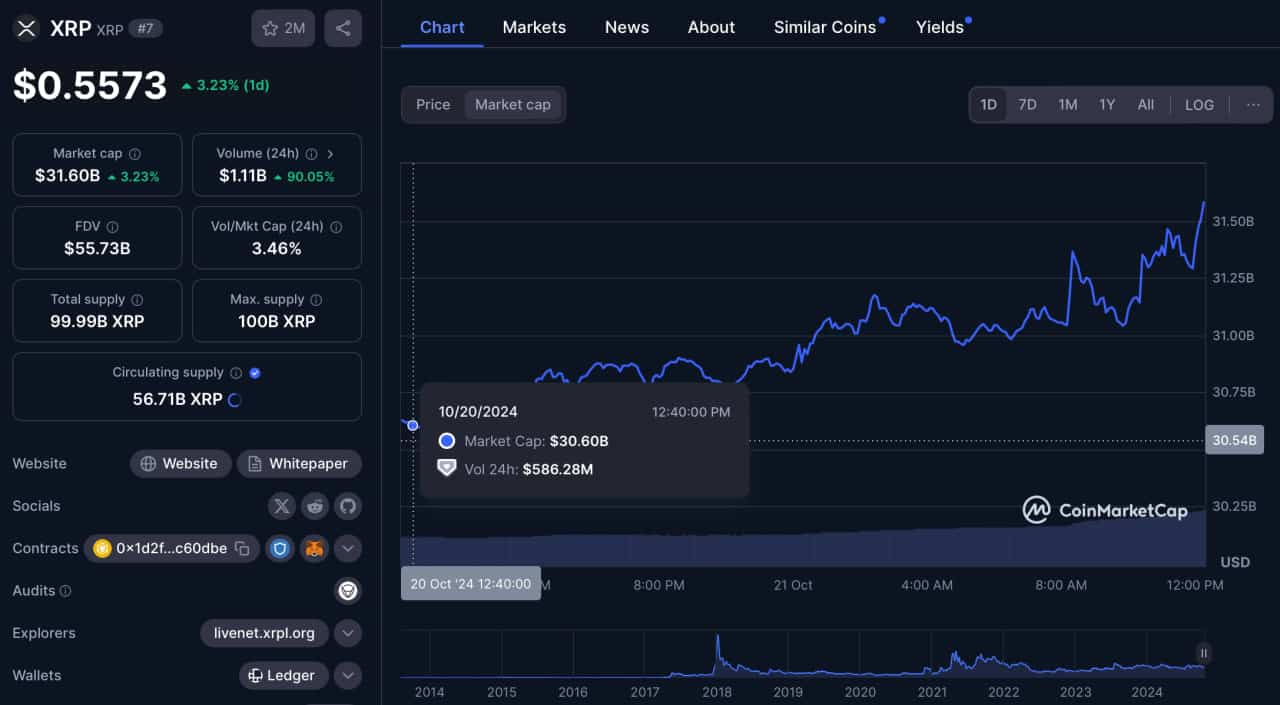
XRP adds  billion after Elon Musk mentions the token

XRP, a digital asset created by Ripple Labs, plays a significant role in the financial ecosystem by facilitating cross-border payments and enhancing liquidity. As a cryptocurrency that aims to improve the efficiency of money transfers, XRP has garnered attention from investors and financial institutions alike. Understanding the company value of XRP is crucial in the cryptocurrency sector, as it reflects not only the asset’s market performance but also its potential for growth and adoption in an evolving financial landscape.Several factors influence XRP’s market valuation, including its technological capabilities, partnerships with financial institutions, regulatory developments, and overall market sentiment.

These elements create a dynamic environment that contributes to the fluctuations and trends seen in XRP’s valuation over time.

Historical Performance of XRP

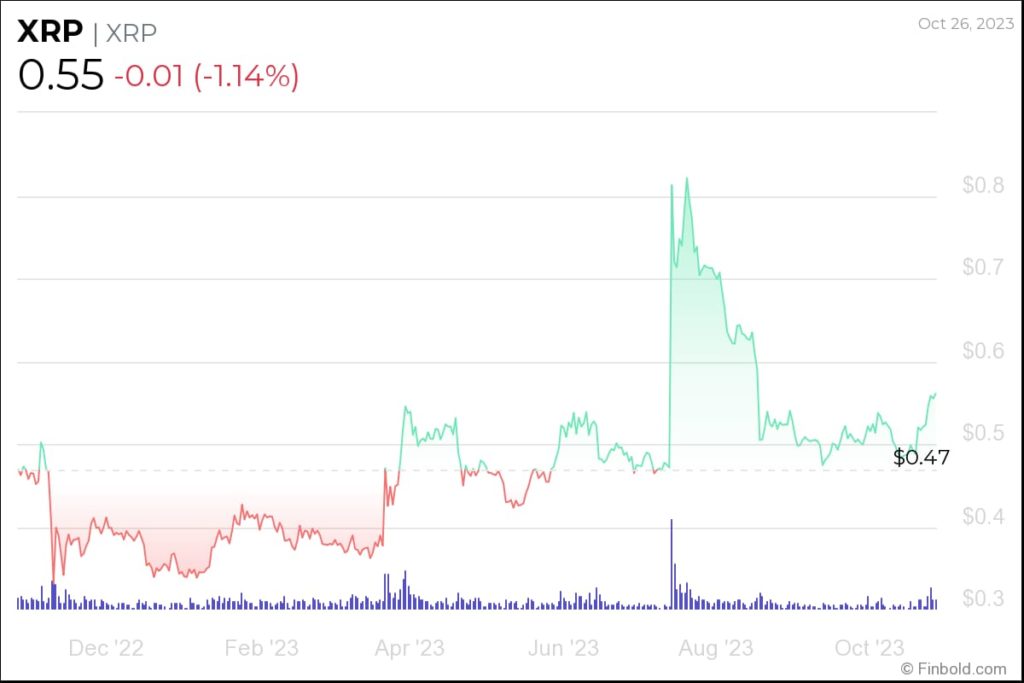
Over the years, XRP has experienced notable price trends characterized by rapid growth and significant downturns. Initially launched in 2012, XRP saw its value soar in late 2017, reaching an all-time high of nearly $3.84. However, this surge was followed by a considerable decline, with various market events impacting its valuation.Key milestones that have shaped XRP’s historical performance include:

  • The launch of the RippleNet payment platform, which increased XRP’s utility.
  • Major partnerships with financial institutions, such as American Express and Santander.
  • Legal challenges, particularly the lawsuit filed by the SEC in late 2020, which resulted in price volatility.

These events, among others, highlight the critical moments that have influenced XRP’s value in the market.

Current Market Position

As of now, XRP holds a prominent position among cryptocurrencies, often ranking within the top ten by market capitalization. This status reflects its wide acceptance and use in various financial applications, positioning it as a competitor to other major digital assets like Bitcoin and Ethereum.In comparison to its competitors, XRP’s value is influenced by several recent developments, including:

  • Strategic partnerships that enhance its adoption in the global payment sector.
  • Innovative financial solutions that leverage XRP for faster and cheaper transactions.
  • Recent promotional campaigns aimed at increasing awareness and use of XRP.

These efforts are critical in maintaining XRP’s competitive edge in the digital asset space.

Regulatory Impact on XRP Value

Regulatory changes have significantly impacted XRP’s valuation, with the cryptocurrency facing scrutiny from various governmental bodies. The SEC’s lawsuit against Ripple Labs, which alleges that XRP is a security, has created uncertainty in the market and led to fluctuations in its price.Examples of legal challenges include:

  • The ongoing SEC lawsuit, which has raised concerns about compliance and the future of XRP.
  • Responses from other regulatory bodies globally, influencing XRP’s acceptance in various jurisdictions.

Compliance with regulations is vital for the future stability and growth of XRP’s value, as favorable rulings could enhance investor confidence and market acceptance.

Technological Innovations and Their Influence

XRP and its parent company, Ripple, are at the forefront of technological advancements that enhance the utility of digital currencies. Innovations such as the On-Demand Liquidity (ODL) service utilize XRP to eliminate pre-funding in cross-border transactions, thus improving liquidity.These technological innovations contribute to the overall value of the company by:

  • Streamlining payment processes for financial institutions and businesses.
  • Reducing transaction costs and times, making XRP a competitive alternative to traditional banking methods.
  • Encouraging the adoption of blockchain technology in mainstream finance.

Future developments, such as potential upgrades to the XRP Ledger, may further impact its valuation positively.

Investor Sentiment and Market Psychology

How many XRP do you need to be a millionaire?

Investor sentiment plays a crucial role in influencing XRP’s market value. Market psychology can lead to significant fluctuations, often driven by news, social media, and broader economic trends. The importance of media coverage cannot be overlooked, as positive or negative narratives shape public perception and investor behavior.Strategies for investors to gauge market sentiment related to XRP include:

  • Monitoring social media platforms and community discussions to assess overall sentiment.
  • Analyzing market trends and price movements in response to news updates.
  • Utilizing sentiment analysis tools to predict potential market shifts.

Understanding these dynamics can help investors make informed decisions regarding XRP.

Future Projections for XRP Value

Future projections for XRP’s value are subject to various market conditions and trends. Analysts predict a potential upswing in XRP’s valuation, contingent on regulatory clarity and increased adoption among financial institutions.Emerging market conditions that may affect XRP’s valuation include:

  • The global shift towards digital currencies and blockchain technology.
  • Changes in regulatory frameworks that could provide a more favorable environment for XRP.
  • Increased competition from other cryptocurrencies and financial technologies.

These factors present both challenges and opportunities, shaping the landscape for XRP’s future growth.

Case Studies of XRP’s Impact

Several businesses have successfully utilized XRP to enhance their operations and financial transactions. For instance, companies leveraging RippleNet’s ODL have reported significant improvements in transaction efficiency and cost savings.Measurable impacts of XRP on these businesses include:

  • Reduction in transaction times from several days to mere seconds.
  • Lower costs associated with cross-border payments, translating into better profit margins.
  • Greater access to international markets, expanding business opportunities.

These case studies illustrate the broader implications for industries adopting XRP technology, highlighting its potential to revolutionize payment systems globally.

Outcome Summary

In summary, understanding the xrp company value encompasses more than just its price on the market; it involves delving into its technological innovations, regulatory challenges, and investor sentiment. As we look ahead, the future of XRP presents both exciting opportunities and potential hurdles that could shape its value in the evolving landscape of digital assets.

FAQ Summary

What is XRP and how does it work?

XRP is a digital currency created by Ripple that enables fast and low-cost international money transfers, functioning on a decentralized blockchain network.

What influences XRP’s market value?

XRP’s market value is influenced by factors such as supply and demand dynamics, regulatory news, technological advancements, and overall market sentiment.

How does XRP compare to Bitcoin and Ethereum?

While Bitcoin is often viewed as digital gold and Ethereum focuses on smart contracts, XRP specializes in facilitating cross-border payments, making it unique in its purpose.

Are there any major partnerships that boost XRP’s value?

Yes, Ripple has formed partnerships with financial institutions and payment providers globally, which enhances XRP’s credibility and utility in the financial sector.

What are the risks associated with investing in XRP?

Investing in XRP carries risks such as regulatory uncertainty, market volatility, and the potential for technological challenges that could impact its adoption and use.

Crypto companies Portugal are at the forefront of an evolving landscape, characterized by innovation and growth opportunities. With a burgeoning market and several key players emerging, the Portuguese crypto scene is becoming increasingly vibrant, attracting attention from investors and tech enthusiasts alike.

The current environment presents both unique advantages and challenges, making it an intriguing area for startups and established businesses in the crypto space. From a supportive regulatory framework to a skilled workforce, Portugal is positioning itself as a key player in the European crypto market.

Overview of Crypto Companies in Portugal

Crypto Taxes in Portugal: A Comprehensive Guide - BitcoinTaxes

The landscape of crypto companies in Portugal is rapidly evolving, showcasing a vibrant ecosystem that attracts both local and international players. Portugal has positioned itself as a favorable destination for crypto startups, thanks to its supportive regulatory environment and growing community of enthusiasts. The country has witnessed a surge in crypto adoption, driven by technological advancements and investor interest.Key players in the Portuguese crypto market include exchanges such as Criptoloja and Bitbase, which cater to both novice and experienced traders.

Additionally, blockchain technology firms like Utrust and the Ethereum-based project, Aave, are also making their mark. The growth trends indicate a robust increase in investments and innovations, suggesting a promising future for the industry in Portugal.

Regulatory Environment

Why Crypto traders should move to Portugal - RHJ Accountants

Portugal’s regulatory framework for crypto companies is becoming increasingly structured, providing clarity for businesses operating in this space. The country has been proactive in establishing guidelines that encourage innovation while ensuring consumer protection. Moreover, tax implications are crucial for crypto businesses. While Portugal does not impose capital gains tax on crypto transactions for individual investors, businesses must navigate the corporate tax landscape, which includes VAT considerations.

Compliance requirements include adhering to anti-money laundering (AML) regulations and ensuring proper record-keeping practices.

Advantages of Operating Crypto Companies in Portugal

Operating a crypto company in Portugal comes with numerous advantages, making it an attractive destination for startups. These benefits include a favorable business environment characterized by low operational costs and a growing market for tech solutions. The availability of a skilled workforce is another significant asset, with many universities and institutions producing graduates well-versed in technology and finance. Compared to other European countries, Portugal’s crypto ecosystem is relatively nascent but is rapidly maturing, offering unique opportunities for growth and collaboration.

Challenges Faced by Crypto Companies

Crypto companies in Portugal face several challenges that can hinder their growth. Common hurdles include navigating the regulatory landscape, which, while supportive, can also be complex and demanding. Additionally, many startups encounter obstacles related to banking and financial services, as traditional banks may be hesitant to engage with crypto businesses due to the perceived risks involved. Public perception and trust issues also play a role, with some segments of the population remaining skeptical about cryptocurrencies.

Investment Opportunities

The venture capital landscape for crypto companies in Portugal is becoming increasingly robust, with a growing number of investors looking to capitalize on the sector’s potential. Successful funding rounds have been observed in various startups, indicating investor confidence in the market.Examples of successful funding include substantial investments received by companies like Utrust and Bitbase, which have attracted notable venture capital firms.

Below is a table of potential investors interested in the crypto sector:

Investor Name Investment Focus Notable Investments
Blue Horizon Blockchain Technology Utrust
Faber Ventures Fintech Startups Bitbase
Portugal Ventures Tech Innovations Various Crypto Projects

Future Trends in the Crypto Market

Emerging trends in the Portuguese crypto market indicate significant potential for growth and innovation. Areas such as decentralized finance (DeFi), non-fungible tokens (NFTs), and blockchain applications are gaining traction. The role of innovation and technology is paramount in shaping future developments, as companies explore new use cases and solutions that leverage blockchain capabilities. Predictions suggest that the number of crypto companies in Portugal may double in the next five years, driven by increasing adoption and investment.

Case Studies of Successful Crypto Companies

Examining successful crypto companies in Portugal provides invaluable insights into effective strategies and operational practices. Companies like Utrust have focused on creating user-friendly platforms that bridge the gap between traditional finance and cryptocurrency. Key lessons learned from these companies include the importance of building a strong brand presence and focusing on customer education. Factors contributing to their success include:

  • Clear value propositions that resonate with consumers.
  • Strong partnerships with established financial institutions.
  • Continuous innovation to adapt to market changes.

Community and Networking

Networking within the crypto community in Portugal is essential for fostering collaboration and sharing knowledge. Local meetups and conferences play a significant role in bringing together enthusiasts, investors, and industry experts.Events such as the Lisbon Blockchain Week and various hackathons provide platforms for networking and learning. Online platforms and forums also contribute to community engagement, allowing crypto enthusiasts to connect, share insights, and discuss developments in the industry.

Conclusive Thoughts

In summary, the narrative surrounding crypto companies in Portugal showcases a dynamic fusion of opportunity, innovation, and community. As the market continues to evolve, the potential for growth and success remains robust, making it an exciting time for those involved in the crypto industry.

FAQ Overview

What is the current regulatory framework for crypto companies in Portugal?

The regulatory framework includes compliance with Anti-Money Laundering (AML) and Know Your Customer (KYC) regulations, providing a legal structure for operations.

Are there tax benefits for crypto businesses in Portugal?

Yes, Portugal is known for its favorable tax treatment of cryptocurrencies, with no capital gains tax for individuals and a supportive approach for businesses.

What are the main challenges faced by crypto companies in Portugal?

Challenges include banking difficulties, public perception issues, and navigating the evolving regulatory landscape.

How has the investment landscape changed for crypto startups in Portugal?

Investment in crypto startups has increased significantly, with venture capitalists showing greater interest and funding rounds becoming more common.

What networking opportunities exist for crypto enthusiasts in Portugal?

There are various meetups, conferences, and online forums that provide excellent networking opportunities for individuals interested in the crypto space.

Business news today telugu opens up a vibrant landscape of opportunities and developments, enticing readers with the latest trends and insights in the Telugu-speaking business community.

Staying updated with local business news is crucial as it shapes not only the economic environment but also influences individual business decisions. From significant developments to interviews with local leaders, this overview highlights everything essential for understanding the current business climate in Telugu regions.

Overview of Business News in Telugu

In today’s fast-paced world, staying updated with business news is essential, especially for the Telugu-speaking population. The current trends in business news highlight the growing significance of local markets and the dynamic changes occurring within them. Understanding these trends not only helps individuals make informed decisions but also supports the overall economic development of the region.The importance of staying updated with local business news cannot be overstated.

It provides insights into market dynamics, investment opportunities, and consumer behavior. Key sources for reliable business news in the Telugu language include local newspapers, dedicated business news websites, and regional television channels that focus on economic affairs.

Significant Business Developments

Today, several major business developments have marked the landscape in Telugu-speaking regions. For instance, a leading IT company announced the opening of a new development center, which is expected to create over 1,000 jobs. This development will significantly boost the local economy by increasing employment opportunities and attracting talent.These developments have a ripple effect on local economies. They not only create jobs but also enhance the infrastructure and service sectors.

When compared to historical trends, such developments indicate a clear shift toward modernization and digitalization in the business landscape.

Interviews with Local Business Leaders

Interviews with influential business leaders in the Telugu community reveal a variety of perspectives on the current business climate. Many leaders express optimism about the future, citing the increasing interest in startup culture and innovation among the youth. Their insights highlight the importance of adaptability and investment in technology for business growth.Predictions for future business opportunities include the rise of e-commerce and digital services, reflecting global trends.

Leaders emphasize the need for collaboration and mentorship to nurture budding entrepreneurs.

Analysis of Economic Indicators

Key economic indicators relevant to businesses in Telugu regions include GDP growth, inflation rates, and employment statistics. These indicators play a vital role in shaping the decision-making processes of local entrepreneurs. For instance, a stable inflation rate can encourage investment, while rising unemployment may lead to cautious spending.Employment rates have seen fluctuations, impacting consumer spending power. An analysis reveals that when employment rates rise, there is often a corresponding increase in local business revenues, illustrating the interconnectedness of the economy.

Emerging Startups and Entrepreneurs

Emerging startups in Telugu-speaking states are revolutionizing various sectors, from technology to agriculture. Notable examples include a fintech startup that simplifies digital transactions for small businesses and an agri-tech venture that connects farmers directly to markets.Stories of successful entrepreneurs showcase resilience and innovation. For instance, a local entrepreneur who developed an eco-friendly packaging solution has gained recognition nationally, highlighting the growing trend towards sustainability in business.

Startup Name Industry Innovative Idea
FinTech Solutions Finance Digital transaction simplification
AgriTech Connect Agriculture Direct market access for farmers
EcoPack Innovations Packaging Biodegradable packaging solutions

Government Policies Affecting Businesses

Recent government policies have had a profound impact on businesses in Telugu regions. Initiatives aimed at fostering entrepreneurship include tax incentives for startups and support programs for small and medium enterprises. Such policies are designed to stimulate growth and innovation in the local economy.The effects of these policies on small and medium enterprises have been significant, often leading to increased investment and job creation.

Entrepreneurs are finding it easier to navigate regulatory hurdles and secure funding.

Challenges Faced by Businesses

Businesses in Telugu-speaking areas are facing several challenges, including competition, regulatory compliance, and access to funding. To overcome these obstacles, many businesses are adopting innovative strategies such as leveraging technology for efficiency and forming strategic partnerships.Case studies reveal that businesses that have embraced digital transformation have successfully navigated difficulties and emerged stronger. For example, a local retail chain that implemented an e-commerce platform significantly increased its customer base.

Technology and Innovation in Business

Technology plays a crucial role in transforming businesses in Telugu regions. Local entrepreneurs are increasingly adopting innovative practices to enhance productivity and efficiency. These practices often involve the integration of digital tools into everyday operations.Popular tech tools among local entrepreneurs include cloud computing solutions, customer relationship management (CRM) systems, and data analytics platforms, all of which streamline processes and improve decision-making.

Community Initiatives Supporting Business Growth

Community initiatives aimed at supporting local businesses are gaining momentum. Many organizations are partnering with educational institutions to provide skill development programs tailored to the needs of local industries. These partnerships foster a skilled workforce ready to meet the demands of the job market.Successful community-based business programs often focus on mentorship and networking opportunities, creating a supportive ecosystem for entrepreneurs to thrive.

Ending Remarks

In conclusion, the insights shared reflect the dynamic nature of business in Telugu-speaking areas, showcasing both challenges and opportunities that lie ahead. By staying informed and engaged, entrepreneurs and stakeholders can navigate this landscape more effectively and capitalize on new possibilities.

Common Queries

What types of businesses are thriving in Telugu regions?

Various sectors, including technology, agriculture, and retail, are thriving, driven by innovation and local demand.

How can I access reliable business news in Telugu?

You can access reliable business news through local newspapers, online news portals, and dedicated business channels in Telugu.

Are there any government initiatives supporting startups in Telugu areas?

Yes, several government initiatives offer tax incentives, funding, and support programs specifically aimed at nurturing startups.

What challenges do local businesses face currently?

Common challenges include rising costs, competition, and adapting to rapid technological changes.

How important is technology for businesses in Telugu regions?

Technology plays a crucial role by enhancing productivity, streamlining operations, and paving the way for innovative business models.

London is rapidly transforming into a global hub for cryptocurrency companies, offering a vibrant ecosystem for innovation and investment. The city’s unique blend of financial expertise, technological advancement, and regulatory evolution is attracting a diverse range of players looking to capitalize on the digital currency boom.

With major firms and innovative startups alike diving into the world of digital currencies, London stands at the forefront of a financial revolution that is reshaping how we perceive and use money. As we explore the landscape of cryptocurrency companies in London, we will uncover the dynamics of the market, the notable startups emerging from this metropolis, and the regulatory challenges they face.

Overview of Cryptocurrency Companies in London

The cryptocurrency landscape in London is vibrant and rapidly evolving, making it a significant hub for blockchain technology and digital currency. With a rich mix of established firms and innovative startups, London has positioned itself as a key player in the global cryptocurrency market. This thriving ecosystem is supported by a diverse talent pool and robust financial services infrastructure.London is home to several major players in the cryptocurrency sector, including well-known exchanges and blockchain technology companies.

Prominent firms like Binance, Bitstamp, and Blockchain.com have set up operations in the city, leveraging the local expertise and regulatory environment to offer services to a growing clientele. The regulatory framework in the UK, while still developing, provides a level of clarity for businesses operating in this space, encouraging innovation while ensuring consumer protection.

Notable Cryptocurrency Startups in London

London’s startup scene is bustling with innovative companies that are pushing the boundaries of what cryptocurrency can achieve. These startups are not only contributing to the local economy but also shaping the future of financial technology.

  • Revolut: A financial technology company that offers cryptocurrency trading alongside traditional banking services, allowing users to buy, sell, and hold various cryptocurrencies.
  • Bitpanda: This platform offers a wide range of cryptocurrencies for trading and has gained traction for its user-friendly interface.
  • Elliptic: A blockchain analytics firm that helps businesses manage risk and comply with regulations by tracking cryptocurrency transactions.
  • Chainalysis: A leader in blockchain data analysis, providing insights into cryptocurrency transactions that help in compliance and investigation.

These startups are embracing innovative business models, such as subscription-based services and advanced analytics, to attract investment. Many have successfully completed funding rounds, tapping into venture capital and private equity to fuel their growth. Trends indicate a strong interest in investing in crypto-related ventures, reflecting a broader acceptance of digital currencies.

Blockchain Technology Adoption by Companies

The integration of blockchain technology by London-based companies is transforming various industries. Many organizations are experimenting with this technology to enhance transparency, efficiency, and security in their operations.In finance, blockchain is being used to streamline cross-border payments, reducing transaction times and costs. Supply chain companies are leveraging blockchain for tracking products, ensuring authenticity, and improving inventory management. In healthcare, blockchain is being explored for secure patient data management and streamlining processes.Partnerships between traditional businesses and cryptocurrency firms are increasingly common.

For instance, major banks are collaborating with blockchain startups to develop innovative payment solutions that utilize digital currencies, showcasing the potential for synergy between established financial institutions and emerging tech companies.

Market Trends and Consumer Adoption

Current trends in cryptocurrency adoption among London residents indicate a growing interest in digital currencies, driven by factors such as increased media coverage and a desire for alternative investment opportunities. The younger demographic, in particular, is more inclined to explore cryptocurrencies as part of their investment strategy.Several factors are influencing this trend, including the rise of decentralized finance (DeFi) platforms, which offer users a wide range of financial services without the need for traditional banks.

The increasing acceptance of cryptocurrencies for everyday transactions is further solidifying consumer interest.

Statistic Value
Percentage of London residents owning cryptocurrency 15%
Average transaction volume per month £200 million
Number of cryptocurrency wallets in London 2 million

Regulatory Challenges and Compliance

Cryptocurrency companies operating in London face several regulatory hurdles that affect their operations. The constantly evolving regulatory landscape can pose challenges, particularly concerning compliance with anti-money laundering (AML) and know your customer (KYC) regulations.To navigate these hurdles, companies must implement comprehensive compliance measures, such as robust identity verification processes and transaction monitoring systems. Successful examples include firms that have developed state-of-the-art compliance frameworks, allowing them to operate smoothly while adhering to regulatory mandates.

Impact of Cryptocurrency on London’s Economy

Cryptocurrency companies are making significant economic contributions to London’s economy. They are not only driving innovation but also creating jobs across various sectors, from technology to finance.The cryptocurrency sector has led to the creation of thousands of jobs, with skilled professionals in demand for roles in software development, compliance, and financial analysis. Additionally, many cryptocurrency firms are engaging with the local community through initiatives that support financial literacy and technology education.

Future Outlook for Cryptocurrency Companies

Free illustration: Bitcoin, Btc, Cryptocurrency - Free Image on Pixabay ...

The future of cryptocurrency companies in London appears promising, with expectations for continued growth and innovation. As technology evolves and regulatory frameworks stabilize, there could be a surge in new products and services tailored to meet consumer needs.Potential innovations may include advancements in smart contracts, enhanced privacy features, and new decentralized applications that could revolutionize various sectors. Global trends, such as the increasing acceptance of digital currencies by mainstream financial institutions, will further influence London’s cryptocurrency landscape, positioning it as a cornerstone of the global digital economy.

Conclusive Thoughts

Free stock photo of bitcoin, cryptocurrency, exchange

In conclusion, cryptocurrency companies in London are not just a passing trend; they are an integral part of the city’s economic fabric and future. As these companies continue to innovate and navigate the complex regulatory environment, their impact on the economy and technology landscape will only grow, paving the way for new opportunities and advancements in the financial sector.

General Inquiries

What are the major cryptocurrency companies in London?

Some major players include Blockchain.com, Bitstamp, and Crypto.com, among others.

How is the regulatory environment for cryptocurrency in London?

The regulatory landscape is evolving, with the Financial Conduct Authority (FCA) closely monitoring compliance and implementing guidelines for cryptocurrency businesses.

What types of blockchain applications are being developed in London?

London companies are utilizing blockchain in finance, supply chain management, and healthcare to enhance transparency and efficiency.

Are there any community initiatives related to cryptocurrency in London?

Yes, many companies are involved in local initiatives, such as financial literacy programs and supporting tech education in underserved communities.

What is the future outlook for cryptocurrency companies in London?

The future looks promising, with expectations of continued growth, innovation, and greater integration of cryptocurrencies into everyday financial transactions.

Crypto exchange companies in Dubai play a vital role in the growing cryptocurrency market, acting as intermediaries that facilitate trading and investing in digital assets. With its strategic location and progressive regulatory environment, Dubai has emerged as a significant hub for crypto activities, attracting both local and international players.

This captivating overview sets the stage for exploring the various facets of crypto exchanges in Dubai, including their regulatory frameworks, types, security measures, user experiences, and future trends. From understanding the different exchange models to recognizing the importance of community support, this guide aims to provide a well-rounded perspective on this dynamic sector.

Overview of Crypto Exchange Companies in Dubai

5 Best Crypto Exchanges In Dubai (UAE) 2025 | Wallet Reviewer

Crypto exchange companies are platforms that facilitate the buying, selling, and trading of cryptocurrencies. These exchanges play a vital role in the cryptocurrency market by providing users with a way to convert fiat currency into digital assets, thereby increasing market liquidity and accessibility. Dubai has emerged as a prominent hub for crypto exchanges due to its progressive regulatory environment, strategic location, and the city’s push towards becoming a global financial center.The history of crypto exchanges in Dubai dates back to the early 2010s when the first platforms began to operate, reflecting the growing interest in cryptocurrencies.

Over the years, this interest has only intensified, leading to the establishment of numerous exchanges that cater to both local and international users.

Regulatory Framework for Crypto Exchanges in Dubai

Dubai’s regulatory framework for crypto exchanges is designed to ensure a secure and transparent trading environment. The Dubai Financial Services Authority (DFSA) is the primary regulatory body overseeing these exchanges, providing licenses and guidelines to operate within the financial free zone of the Dubai International Financial Centre (DIFC).The licensing process involves rigorous checks to ensure compliance with financial regulations, anti-money laundering (AML) laws, and customer protection standards.

This regulatory landscape not only enhances the credibility of crypto exchanges in Dubai but also instills confidence among users looking to engage in digital asset trading.

Types of Crypto Exchanges in Dubai

20 Crypto Companies in Dubai You Should Get to Know

In Dubai, there are several types of crypto exchanges, each catering to different user needs. The main categories include:

  • Centralized Exchanges (CEX): These platforms are operated by centralized entities that facilitate trading between users. They typically offer high liquidity, a wide range of trading pairs, and advanced features, but require users to trust the exchange with their funds.
  • Decentralized Exchanges (DEX): DEXs operate without a central authority, allowing users to trade directly with one another. This type of exchange enhances privacy and security but may come with lower liquidity and fewer trading options.
  • Hybrid Exchanges: Combining elements of both centralized and decentralized exchanges, hybrid platforms aim to provide the best of both worlds, offering liquidity and security.

Some popular crypto exchanges operating in Dubai include BitOasis, Binance, and Kraken. These platforms have gained trust due to their robust security measures and user-friendly interfaces.

Security Measures Taken by Crypto Exchanges

Security is paramount for crypto exchange companies, and many have implemented strict protocols to protect users’ digital assets. Common security measures include:

  • Two-Factor Authentication (2FA): This adds an extra layer of security by requiring users to verify their identity through a secondary device.
  • Cold Storage: A significant portion of users’ funds is stored offline to prevent hacking attempts.
  • Regular Security Audits: Many exchanges conduct routine audits to identify and rectify vulnerabilities in their systems.

Best practices for securing digital assets also emphasize the importance of user education, encouraging users to adopt strong passwords and be vigilant against phishing attempts.

User Experience and Interface of Crypto Exchanges

The user interface of a crypto exchange plays a crucial role in attracting and retaining users. Key design elements include:

  • Intuitive Navigation: Users should easily find and execute trades without confusion.
  • Responsive Design: A mobile-friendly interface allows users to trade on-the-go.
  • Real-Time Data: Providing live market data helps users make informed trading decisions.

Popular exchanges in Dubai are known for their user-friendly interfaces, which significantly enhance the overall trading experience.

Fees and Charges Associated with Crypto Exchanges

Trading on crypto exchanges often comes with various fees, including:

  • Transaction Fees: Charged on each trade executed on the platform.
  • Withdrawal Fees: Fees incurred when transferring funds off the exchange.
  • Deposit Fees: Some exchanges charge a fee for depositing funds into the platform.

Fee structures can vary significantly among exchanges, affecting trading decisions for users. Lower fees may attract more traders, while higher fees can deter them.

Integration of Blockchain Technology

Blockchain technology is at the core of crypto exchanges, providing a decentralized and secure transaction framework. The transparency and immutability of blockchain enhance trust in the trading process. Innovative applications of blockchain within exchanges include smart contracts that automate trading processes and ensure compliance with regulations. As the industry evolves, the potential for further integration of blockchain technology is immense, promising improvements in operational efficiency and user experience.

Future Trends in Crypto Exchanges in Dubai

Several emerging trends are poised to shape the future of crypto exchanges in Dubai. These include:

  • Increased Institutional Investment: As more institutional players enter the market, exchanges will need to adapt to meet their specific needs.
  • Enhanced Regulatory Compliance: Future regulations may require exchanges to implement even stricter compliance measures.
  • Growth of DeFi Platforms: Decentralized finance could redefine how exchanges operate, offering new opportunities for users.

Technological advancements are expected to significantly impact exchange operations, enhancing security, user experience, and transaction efficiency.

Community and Support for Crypto Users

A supportive community is essential for crypto users navigating exchanges. Resources available for users seeking assistance include:

  • Online Forums: Platforms like Reddit and Bitcointalk offer spaces for users to share experiences and seek help.
  • Educational Websites: Numerous websites provide resources on cryptocurrency trading and best practices.
  • Customer Support Services: Many exchanges offer dedicated support teams to assist users with issues.

Community engagement is vital for fostering a sense of belonging and ensuring users feel confident in their trading activities.

Wrap-Up

In summary, the landscape of crypto exchange companies in Dubai is not only evolving rapidly but also presenting numerous opportunities for traders and investors alike. As the industry continues to advance with technological innovations and increased regulatory clarity, staying informed about these changes will empower users to make better decisions in their crypto journeys.

Detailed FAQs

What is a crypto exchange?

A crypto exchange is a platform that allows users to buy, sell, or trade cryptocurrencies for other digital currency or traditional currency.

How are crypto exchanges regulated in Dubai?

Crypto exchanges in Dubai are regulated by the Dubai Financial Services Authority (DFSA) under specific licensing frameworks designed to ensure compliance and security.

What types of crypto exchanges are available in Dubai?

There are centralized exchanges, which are managed by companies, and decentralized exchanges, which operate without a central authority, both available in Dubai.

What security measures do crypto exchanges implement?

Crypto exchanges use various security protocols, including two-factor authentication, cold storage for assets, and regular security audits to protect user funds.

How do fees work on crypto exchanges?

Fees on crypto exchanges can vary and typically include transaction fees, withdrawal fees, and occasionally deposit fees, impacting overall trading costs.

Bitcoin meaning nepali opens a door to the intriguing world of cryptocurrency, a term that has become synonymous with a financial revolution. As we delve into the basics of Bitcoin and its significance globally, it’s essential to understand how this digital currency began, its creator, and the potential it holds within Nepal’s evolving economy.

In this exploration, we will shed light on the technology behind Bitcoin, including blockchain, and discuss its current and future implications in the Nepali context, making it accessible and relevant to readers aiming to grasp this dynamic subject.

Introduction to Bitcoin in Nepali Context

Bitcoin, a digital currency that operates on a decentralized network, has emerged as a revolutionary force in the global financial landscape. In Nepal, the introduction of Bitcoin presents both opportunities and challenges, as it navigates through a complex economic environment. The inception of Bitcoin traces back to 2009, created by an anonymous entity known as Satoshi Nakamoto. This digital currency was designed to facilitate peer-to-peer transactions without the need for intermediaries, making it a significant milestone in the evolution of money.The relevance of Bitcoin in Nepal’s economy is growing, especially as the country seeks to modernize its financial systems.

With a large segment of the population still unbanked, Bitcoin offers an alternative means for individuals to engage in financial activities. Moreover, the potential impact on local financial systems could reshape how transactions are conducted, fostering economic participation and innovation.

Understanding Bitcoin Technology

The technology behind Bitcoin is primarily based on blockchain, a decentralized ledger that records all transactions across a network of computers. This innovation ensures transparency and security, as each transaction is verified by network participants known as miners. The process of verifying transactions involves complex cryptographic puzzles that miners solve to add new blocks to the blockchain.Bitcoin transactions are recorded in a public ledger, which enhances accountability.

Each transaction is confirmed through a consensus mechanism, thereby preventing double-spending. Additionally, Bitcoin employs several security measures to protect users’ wallets and transactions, including encryption and private keys that grant access to one’s holdings.

The Adoption of Bitcoin in Nepal

Currently, Bitcoin adoption in Nepal is steadily increasing among both individuals and businesses. Various platforms have emerged to facilitate Bitcoin transactions, enabling users to buy, sell, and trade the cryptocurrency with relative ease. Notable examples include local exchanges that allow users to convert Nepali Rupees to Bitcoin seamlessly.However, users in Nepal face several challenges when adopting Bitcoin. These include a lack of awareness, volatility in Bitcoin prices, and regulatory uncertainties that may deter businesses from fully embracing cryptocurrency.

Overcoming these hurdles is essential for fostering a vibrant Bitcoin ecosystem in the country.

Legal and Regulatory Framework

The legal status of Bitcoin and cryptocurrencies in Nepal remains somewhat ambiguous. The Nepal Rastra Bank (NRB) has taken a cautious approach towards regulating digital currencies, issuing warnings against their use due to concerns about potential fraud and money laundering. As a result, Bitcoin operates in a gray area, where its use is not explicitly prohibited, yet lacks formal recognition.In comparison to neighboring countries, Nepal’s regulatory framework for Bitcoin is relatively strict.

While countries like India and Bhutan are exploring regulatory measures to integrate cryptocurrencies into their financial systems, Nepal continues to maintain a more conservative stance.

Economic Implications of Bitcoin

The potential economic benefits of Bitcoin for Nepali citizens and entrepreneurs are significant. Bitcoin provides an opportunity for financial inclusion, particularly for those who lack access to traditional banking services. It can also facilitate international remittances, which are a crucial source of income for many Nepalis working abroad.However, Bitcoin adoption also comes with risks and drawbacks, such as price volatility and the potential for misuse in illegal activities.

Stakeholders must approach Bitcoin from an economic perspective, balancing the innovation it brings with necessary safeguards to protect users and the economy as a whole.

Future Trends and Predictions

The future of Bitcoin in Nepal appears promising, with potential growth areas including increased merchant adoption and the emergence of innovative financial products based on cryptocurrencies. As the global landscape shifts towards digital currencies, Nepal could benefit from aligning its regulatory framework to support this transition.Emerging trends in the cryptocurrency space, such as decentralized finance (DeFi) and non-fungible tokens (NFTs), may also influence the Nepali market.

Technology and innovation will play a crucial role in shaping the future of Bitcoin transactions, offering new avenues for economic development.

Educational Resources about Bitcoin

To foster understanding and awareness of Bitcoin in Nepal, several educational resources and platforms are available. These resources include online courses, webinars, and workshops designed to impart knowledge about cryptocurrencies and their implications.Additionally, local seminars hosted by financial institutions and tech communities provide opportunities for the public to engage with experts and learn about the practical aspects of Bitcoin. Promoting financial literacy in relation to Bitcoin and cryptocurrencies is essential for empowering Nepal’s population to navigate this evolving digital landscape.

Closing Summary

In conclusion, understanding bitcoin meaning nepali provides valuable insights into the opportunities and challenges presented by this cryptocurrency. As more individuals and businesses in Nepal explore Bitcoin, the landscape continues to evolve, promising a future filled with innovation and potential that could transform the financial framework in the region.

FAQ Summary

What is Bitcoin?

Bitcoin is a digital currency created in 2009 that operates on a decentralized network using blockchain technology.

How does Bitcoin work?

Bitcoin works through a peer-to-peer network where transactions are verified by network nodes and recorded on a public ledger called the blockchain.

Is Bitcoin legal in Nepal?

The legal status of Bitcoin in Nepal is complex; while the Nepal Rastra Bank has issued warnings against its use, there is ongoing debate regarding its regulation.

Can I use Bitcoin in Nepal?

Yes, you can use Bitcoin in Nepal through various platforms that accept cryptocurrency, although challenges remain regarding regulation and acceptance.

What are the risks of investing in Bitcoin?

Potential risks include market volatility, regulatory changes, and the security of wallets and exchanges.

Navigating the world of cryptocurrency can seem daunting, but understanding how to buy Bitcoin and transfer it to PayPal can be surprisingly straightforward. This guide provides a comprehensive overview of the process, covering everything from acquiring Bitcoin to sending it to your PayPal account, including essential security precautions and alternatives. Whether you’re a seasoned crypto investor or a newcomer, this resource aims to demystify the process.

The process involves several key steps, from choosing a reputable exchange to securely sending your Bitcoin and managing potential risks. This detailed guide breaks down each stage, equipping you with the knowledge and confidence to make informed decisions.

Introduction to Bitcoin

3 구매 1 판매 배너 벡터 | 프리미엄 벡터

Bitcoin is a decentralized digital currency, meaning it isn’t controlled by any single entity like a government or bank. It operates on a distributed ledger technology called blockchain, which records all transactions transparently and securely. This transparency, combined with its scarcity (a limited supply of 21 million Bitcoins), contributes to its value. Its value fluctuates significantly, influenced by market demand and various economic factors.Bitcoin’s value proposition lies in its potential for secure and fast international transactions, as well as its relative independence from traditional financial systems.

However, it’s important to acknowledge that Bitcoin’s volatility can lead to substantial gains or losses, requiring careful consideration before investment.

Bitcoin Storage Methods

Bitcoin is stored in digital wallets. These wallets serve as secure repositories for your Bitcoin holdings, allowing you to send and receive transactions. The security and usability of these wallets vary depending on the type.

  • Software Wallets: These wallets are installed on your computer or mobile device. They offer flexibility but require user vigilance to maintain security. Examples include Electrum and Exodus. Storing your private keys on a device is susceptible to hardware failure or data breaches if the device is lost or compromised. Regular backups are essential.

  • Mobile Wallets: These wallets are specifically designed for smartphones. They provide convenient access to your Bitcoin holdings but also require caution to prevent unauthorized access. Examples include Coinbase Wallet and Trust Wallet.
  • Hardware Wallets: These wallets are physical devices designed to securely store your Bitcoin private keys offline. This significantly reduces the risk of online theft or hacking. Hardware wallets are generally more secure but can be more expensive than other types of wallets. Examples include Ledger Nano S and Trezor.

Acquiring Bitcoin

There are several avenues for acquiring Bitcoin. The most common methods include exchanges and peer-to-peer (P2P) platforms.

  • Exchanges: These platforms facilitate the buying and selling of Bitcoin using traditional currencies like the US dollar or Euros. Popular exchanges include Coinbase, Kraken, and Binance. Exchanges often have fees associated with transactions. User accounts are verified to comply with regulations and deter illicit activity.
  • P2P Platforms: These platforms connect buyers and sellers directly, allowing for transactions outside of formal exchanges. This method offers potentially lower fees compared to exchanges but carries higher risks of scams or disputes. Verification processes may be less stringent than exchanges. Due diligence is paramount.

Bitcoin Wallet Types

Different Bitcoin wallets cater to various needs and security levels. Choosing the right type depends on individual circumstances.

Wallet Type Description Security Ease of Use
Software Wallet Installed on a computer or mobile device. Medium High
Mobile Wallet Specifically designed for smartphones. Medium Very High
Hardware Wallet Physical device storing private keys offline. High Medium

Purchasing Bitcoin

Acquiring Bitcoin involves several methods, each with its own advantages and disadvantages. Understanding these methods and the associated security protocols is crucial for a safe and successful Bitcoin purchase. This section details popular platforms, security considerations, and account setup procedures.

Popular Methods for Buying Bitcoin

Several platforms facilitate Bitcoin purchases, ranging from dedicated cryptocurrency exchanges to traditional brokerage services. Exchanges often offer a broader selection of cryptocurrencies and potentially lower fees, while brokers may integrate Bitcoin trading into existing financial platforms. The choice depends on individual needs and preferences.

  • Cryptocurrency Exchanges: Platforms like Coinbase, Kraken, and Binance allow direct trading of Bitcoin against fiat currencies (like USD or EUR). These exchanges often have advanced trading tools and wider liquidity, but may have higher fees than brokers.
  • Brokerage Services: Traditional brokerage firms like Fidelity or Schwab are increasingly offering Bitcoin trading options. These services integrate Bitcoin trading into existing accounts and platforms, making them more accessible for those already familiar with traditional investment tools. However, they might not provide the same level of specialized crypto trading features as dedicated exchanges.
  • Peer-to-Peer (P2P) Platforms: P2P marketplaces connect buyers and sellers directly, allowing for potentially lower fees. However, this approach often carries higher risks as it bypasses regulatory oversight and dispute resolution mechanisms offered by exchanges or brokers.

Security Considerations When Buying Bitcoin

Protecting your Bitcoin investments is paramount. Security involves both platform security and personal vigilance. Using strong passwords, enabling two-factor authentication (2FA), and storing your private keys securely are essential steps. Vigilance against phishing attempts and scams is also critical.

  • Strong Passwords and 2FA: Employing complex passwords and enabling 2FA adds a layer of security to your accounts, making them more resistant to unauthorized access. Avoid using easily guessable passwords.
  • Secure Storage of Private Keys: Never share your private keys with anyone, and keep them in a secure, offline location. Using a hardware wallet can enhance this protection.
  • Awareness of Phishing and Scams: Be cautious of suspicious emails, websites, or messages requesting your login credentials or private keys. Verify the legitimacy of any platform or individual before sharing sensitive information.

Opening an Account on a Cryptocurrency Exchange

The account opening process on a cryptocurrency exchange typically involves filling out a registration form, providing personal information, and completing a verification process. The specific requirements may vary between platforms.

  1. Account Registration: Fill out the required information on the exchange’s registration form, including your name, address, email address, and phone number. Follow the platform’s instructions meticulously.
  2. Verification of Identity: The exchange will require you to verify your identity to comply with regulations. This typically involves uploading documents like government-issued IDs and proof of address.
  3. Completing KYC/AML Procedures: Know Your Customer (KYC) and Anti-Money Laundering (AML) procedures are mandatory for most exchanges to prevent illicit activities. This may involve submitting additional documentation and completing questionnaires.

Verifying Your Identity When Buying Bitcoin

Verification ensures the exchange complies with regulatory requirements and protects against illicit activities. The process typically involves providing government-issued identification and proof of address.

  • Government-Issued Identification: Providing a valid passport, driver’s license, or national ID is usually required.
  • Proof of Address: Documents such as utility bills, bank statements, or recent tax returns are commonly requested to confirm your residential address.
  • Accuracy and Timeliness: Ensure the documents you provide are accurate, up-to-date, and readily accessible. This helps expedite the verification process.

Comparing Bitcoin Exchanges

Exchange Fees Security User Experience
Coinbase Competitive Robust User-friendly
Kraken Variable High Advanced
Binance Low Strong Complex

Note: Fees, security ratings, and user experiences are subject to change and vary based on individual usage and market conditions.

Sending Bitcoin to a PayPal Account

Sending Bitcoin to a PayPal account isn’t directly possible. PayPal doesn’t natively support Bitcoin transactions. Instead, you need to transfer your Bitcoin to an external wallet, and then potentially use a service to convert it to a form PayPal can accept. This process involves careful attention to security and understanding cryptocurrency addresses.

Transferring Bitcoin to an External Wallet

To send Bitcoin, you must first have a Bitcoin wallet. This wallet acts as your digital account for storing and managing your Bitcoin holdings. Once you have a wallet, you can send your Bitcoin to another wallet, which could be yours or someone else’s. This transfer is akin to sending money from one bank account to another.

The process involves using the Bitcoin wallet’s interface and providing the recipient’s Bitcoin address.

Bitcoin Addresses

Bitcoin addresses are unique alphanumeric strings that act as your digital account number for receiving Bitcoin. These addresses are crucial for sending and receiving Bitcoin. Think of them like email addresses for Bitcoin transactions. They’re generated by your Bitcoin wallet and are specific to each transaction. A single wallet can have multiple addresses.

Each address is linked to a specific transaction. A valid Bitcoin address is critical for ensuring your Bitcoin reaches the correct destination.

Sending Bitcoin from One Wallet to Another

The process of sending Bitcoin from one wallet to another typically involves the following steps:

  • Open your Bitcoin wallet and navigate to the “Send” or “Transfer” section. This section will vary depending on the wallet you are using. You’ll need to locate the section in your specific wallet application.
  • Enter the recipient’s Bitcoin address. This address is essential for the transaction to be successful. Double-check this address to avoid sending your Bitcoin to the wrong destination.
  • Enter the amount of Bitcoin you wish to send. Use the wallet’s interface to accurately input the desired amount.
  • Review the transaction details, including the recipient’s address and the amount. This is a critical step to ensure you are sending to the correct person and amount. Pay close attention to the address to prevent errors.
  • Confirm the transaction. This step confirms the transfer of your Bitcoin to the recipient. Confirming a transaction is often accompanied by a confirmation message and potentially a transaction fee.

Importance of a Secure Service

Using a secure and reputable service for Bitcoin transactions is paramount. This reduces the risk of scams and fraudulent activities. Reputable services often have strong security measures in place. Avoid using services with questionable security practices or unknown origins. Research the service thoroughly before using it.

Using a Bitcoin Wallet to Send Bitcoin

The specific steps for sending Bitcoin will vary depending on the Bitcoin wallet you are using. Some wallets have user-friendly interfaces, while others may require more technical knowledge. Most Bitcoin wallets provide detailed instructions on their website or within the app itself. Always refer to your wallet’s documentation for precise instructions.

Bitcoin Wallet Security Best Practices

Security Practice Description
Strong Passwords Use strong, unique passwords for your Bitcoin wallet. Consider using a password manager to securely store these passwords.
Two-Factor Authentication (2FA) Enable 2FA for added security. This adds an extra layer of protection to your wallet.
Regular Software Updates Keep your Bitcoin wallet software updated to the latest version. Updates often include security patches and improvements.
Avoid Public Wi-Fi Avoid sending or receiving Bitcoin over public Wi-Fi networks. These networks can be vulnerable to attacks.
Secure Storage Store your Bitcoin wallet securely and avoid sharing access details with anyone.

The Bitcoin-to-PayPal Process

Converting Bitcoin to PayPal involves a multi-step process that often requires utilizing intermediary services. This method allows individuals holding Bitcoin to access their funds through the PayPal platform, a widely recognized payment system. Understanding the nuances of this process is crucial for both buyers and sellers, ensuring a smooth and secure transaction.

Bitcoin-to-PayPal Conversion Services

Numerous platforms facilitate the exchange of Bitcoin for PayPal funds. These services typically employ a secure exchange infrastructure that handles the necessary cryptographic processes for Bitcoin transactions and the payment processing required for PayPal. They often offer varying fees and transaction speeds, so careful consideration of available options is essential.

Risks and Limitations

Converting Bitcoin to PayPal isn’t without inherent risks. Security vulnerabilities within the exchange platform or slippage in the exchange rate can impact the final outcome. Additionally, some platforms might impose limitations on the transaction amount or frequency, which should be considered when choosing a conversion service. User accounts may also be subject to Know Your Customer (KYC) regulations, potentially delaying the transaction.

Finally, fluctuations in Bitcoin’s value relative to fiat currencies like the dollar can impact the final amount received through PayPal.

Transaction Fees

Conversion services typically charge fees for processing Bitcoin-to-PayPal transactions. These fees can vary depending on the platform and the volume of the transaction. It’s crucial to compare the fees charged by different services to select the most cost-effective option. A small transaction may have a fee that represents a larger percentage of the total amount, whereas a large transaction might have a fixed fee amount.

Some platforms may offer tiered pricing models for different transaction volumes.

Time Frame

The time required for a Bitcoin-to-PayPal transaction varies depending on the chosen service and the current transaction volume on the platform. Some services may offer near-instant conversions, while others might take a few hours or even a day or more. Delays can arise due to network congestion or processing limitations, so it’s prudent to factor in potential delays when planning transactions.

Summary of Common Bitcoin-to-PayPal Conversion Services

Service Description Typical Fees Transaction Time
Coinbase A popular cryptocurrency exchange that supports Bitcoin transactions and PayPal integration. Variable, dependent on the transaction size and type. Typically within a few hours.
Binance A global cryptocurrency exchange with a large user base, offering various trading options. Variable, dependent on the transaction size and type. Can vary, potentially taking a few hours to several days.
Paxful A peer-to-peer (P2P) platform enabling Bitcoin transactions, often including PayPal. Variable, dependent on the transaction terms. Can vary greatly depending on the seller and the agreed-upon terms.

This table presents a concise overview of common platforms. Users should thoroughly research each platform to ensure it aligns with their specific needs and risk tolerance. The fees and timeframes are general estimates and may vary depending on the transaction details.

Alternatives to Bitcoin-to-PayPal

Beyond the Bitcoin-to-PayPal route, various alternative methods exist for receiving Bitcoin payments and exchanging them for fiat currency. These alternatives offer different levels of security, transaction speed, and cost, allowing users to tailor their choices based on individual needs and circumstances.

Alternative Payment Methods for Bitcoin

Different methods for receiving Bitcoin payments beyond PayPal exist, each with its own characteristics. Exploring these alternatives can broaden your options and potentially lower fees or improve transaction speed.

  • Bank Transfers: Direct bank transfers are a common method for moving funds, often used in traditional financial transactions. For Bitcoin, bank transfers are generally slower than peer-to-peer methods like PayPal but often provide a higher degree of security and are easily traceable within the banking system.
  • Cryptocurrency Exchanges: Many cryptocurrency exchanges offer a wide range of fiat-to-cryptocurrency and crypto-to-crypto transactions. These platforms facilitate seamless conversion between various cryptocurrencies and fiat currencies. Their user-friendly interfaces and established infrastructure often make them a popular choice for those looking to buy or sell Bitcoin.
  • Other Payment Processors: Several payment processors exist that support Bitcoin, offering different levels of convenience and security compared to bank transfers or cryptocurrency exchanges. These platforms facilitate payments using various methods, from credit/debit cards to bank transfers, which are increasingly becoming a common way to receive or send cryptocurrency.

Comparing Methods

A comparison of various methods reveals crucial differences in transaction speed, security, and cost. The choice of method depends on the specific needs of the transaction.

Method Transaction Speed Security Cost
Bank Transfers Slow (days) High (regulated by banks) Moderate (bank fees may apply)
Cryptocurrency Exchanges Variable (minutes to hours) Moderate (security measures vary) Variable (fees depend on the platform and transaction type)
Other Payment Processors Variable (minutes to hours) Moderate (depends on the platform) Variable (fees depend on the platform and transaction type)

Exchanging Bitcoin for Fiat Currency

The process of converting Bitcoin to fiat currency, such as USD or EUR, typically involves a cryptocurrency exchange or broker. These platforms facilitate the buying and selling of Bitcoin against other currencies.

  • Selecting an Exchange: Choosing a reputable and secure exchange is crucial. Factors like security measures, transaction fees, and user reviews should be considered when selecting an exchange or broker. Look for platforms with strong security protocols and a history of responsible operations.
  • Placing an Order: Once an exchange is selected, you can place an order to buy or sell Bitcoin. Different exchanges may offer various order types, such as market orders or limit orders, each with specific characteristics.
  • Confirmation and Settlement: After placing the order, it will be confirmed, and the transaction will be settled once the required funds are available. This may involve a waiting period, depending on the volume of transactions and the chosen method.

Transferring Fiat Currency to PayPal

Transferring fiat currency to a PayPal account is a standard financial transaction. Follow the steps Artikeld by PayPal to ensure a smooth transfer process.

  • PayPal Account Access: Log in to your PayPal account to initiate the transfer.
  • Transfer Options: PayPal provides various methods for transferring funds, such as bank transfers or debit/credit card options. Choose the method that best suits your needs.
  • Confirmation and Completion: Review the details of the transfer and confirm the transaction to complete the transfer to your PayPal account.

Factors to Consider When Selecting a Bitcoin Exchange or Broker

Several factors influence the choice of a Bitcoin exchange or broker. Understanding these factors will help you select a platform that best suits your needs.

  • Security Measures: Robust security measures, such as two-factor authentication and secure encryption, are essential. Review the security protocols and measures implemented by the platform.
  • Transaction Fees: Transaction fees, including trading fees and withdrawal fees, can vary significantly among platforms. Compare these fees across different exchanges or brokers.
  • User Experience: A user-friendly interface and intuitive platform are essential for a smooth experience. Read reviews and consider user testimonials when evaluating potential platforms.

Related Information about Buying Bitcoin

Understanding Bitcoin’s value and market dynamics is crucial for informed purchasing decisions. This section explores Bitcoin mining, historical price trends, regulatory aspects, and future projections, providing context for your investment considerations.Bitcoin’s value isn’t solely determined by market sentiment; it’s intertwined with the underlying technology and the evolving regulatory landscape. Analyzing these factors empowers you to make more strategic choices when entering the Bitcoin market.

Bitcoin Mining and its Relevance

Bitcoin mining is a computational process that validates transactions and adds them to the blockchain. This process secures the network and is essential for Bitcoin’s functionality. The scarcity of new Bitcoin, controlled by the protocol, directly influences the supply and demand dynamics in the market. The increasing difficulty of mining, requiring more powerful hardware and energy, contributes to the rising cost of production, which is a factor in the overall value of Bitcoin.

Historical Trends of Bitcoin Prices

Bitcoin’s price has exhibited significant volatility throughout its history. Periods of rapid growth have been followed by sharp corrections, reflecting the speculative nature of the cryptocurrency market. Understanding these historical trends, including factors like market sentiment, regulatory changes, and technological advancements, can help you evaluate potential risks and rewards. For example, the 2017 bull run saw prices surge, while the 2018 bear market experienced a significant downturn.

These cycles underscore the need for a cautious and informed approach to investment.

Regulatory Landscape of Bitcoin

The regulatory environment surrounding Bitcoin is complex and varies across jurisdictions. Governments are grappling with how to classify and regulate cryptocurrencies, balancing innovation with consumer protection. This uncertainty can impact market stability and investor confidence. The evolving regulatory landscape necessitates ongoing vigilance and awareness for investors.

Future Prospects of Bitcoin

Bitcoin’s future is subject to various factors, including technological advancements, regulatory developments, and market sentiment. Some analysts predict continued growth driven by increased adoption and institutional investment, while others anticipate further volatility due to market fluctuations and regulatory uncertainty. The integration of Bitcoin into the mainstream financial system will significantly shape its future value. Examples of this integration are emerging in the form of Bitcoin-backed investment products.

Common Myths and Misconceptions about Bitcoin

Myth/Misconception Reality
Bitcoin is a guaranteed investment. Bitcoin, like any investment, carries inherent risk. Past performance is not indicative of future results.
Bitcoin is anonymous and untraceable. While Bitcoin transactions can be pseudonymous, they are recorded on a public ledger (blockchain), making them potentially traceable.
Bitcoin is only used for illicit activities. Bitcoin is used for legitimate transactions globally, including online commerce and remittances.
Bitcoin mining is environmentally harmful. The energy consumption of Bitcoin mining is a concern, but efforts are underway to explore more sustainable mining practices.
Bitcoin is a scam. Bitcoin is a legitimate digital asset with a growing community and market adoption.

Security and Risks

Bitcoin transactions, while generally secure, carry inherent risks. Understanding these risks is crucial for navigating the process safely and avoiding potential financial losses. Careless handling of private keys or interacting with fraudulent entities can lead to significant setbacks. Due diligence and awareness of potential pitfalls are paramount.

Common Security Risks

Bitcoin transactions, like any financial transaction, are susceptible to various security risks. These risks include the loss or compromise of private keys, which grant access to Bitcoin wallets, and the potential for scams and fraudulent activities. Furthermore, vulnerabilities in exchanges and platforms used for Bitcoin purchases can expose users to theft. These risks underscore the need for heightened vigilance and proactive security measures.

Secure Wallets and Strong Passwords

Maintaining the security of your Bitcoin wallet is paramount. Employing robust security measures, such as using strong, unique passwords and enabling two-factor authentication (2FA) whenever possible, is essential. Regularly backing up your wallet’s private keys to a secure, offline location is also vital. This redundancy protects your funds in case of a hardware failure or system compromise.

Scams and Fraudulent Activities

Bitcoin, like other digital currencies, attracts fraudulent activities. These scams often involve fake exchanges, phishing emails, or social engineering tactics to trick users into revealing their private keys or sending their Bitcoin to illegitimate accounts. Researching the legitimacy of platforms and being cautious about unsolicited requests are key defensive strategies.

Verifying the Legitimacy of Bitcoin-to-PayPal Services

Before engaging in a Bitcoin-to-PayPal transaction, carefully vet the service provider. Look for established reputations, positive customer reviews, and transparent terms and conditions. A reputable service should clearly Artikel its procedures, fees, and security measures. Do not rely solely on marketing materials; seek out independent verification of the service’s reliability.

Common Red Flags for Identifying Scams

Red Flag Explanation
Unrealistic Promises of High Returns Schemes promising extraordinarily high returns on Bitcoin investments are often fraudulent. Exercise caution when encountering such opportunities.
Pressure to Act Quickly Scammers often create a sense of urgency to push victims into hasty decisions. Avoid feeling pressured to act immediately.
Requests for Private Keys or Passwords Legitimate services do not ask for your private keys or passwords. If you receive such a request, do not comply.
Unfamiliar or Unregistered Websites Using a website or platform that you are unfamiliar with or that is not properly registered carries significant risks. Verify the legitimacy of the platform before engaging with it.
Lack of Transparency Services lacking transparency in their procedures, fees, or security measures are likely to be fraudulent.

Additional Considerations

Bitcoin, while a fascinating asset, comes with inherent complexities. Understanding these considerations is crucial for navigating the world of cryptocurrency investments. From price fluctuations to tax implications and global acceptance, a thorough understanding empowers informed decisions.

Volatility of Bitcoin Prices

Bitcoin’s price is notoriously volatile. Significant price swings can lead to substantial gains or losses for investors. Past examples illustrate this dynamic nature; periods of rapid price increases have been followed by sharp declines. This inherent instability requires careful risk assessment and a well-defined investment strategy. Investors should thoroughly research and understand their tolerance for risk before entering the market.

Taxes on Bitcoin Transactions

Governments worldwide are increasingly recognizing and regulating Bitcoin transactions. Tax implications vary considerably based on jurisdiction. In some regions, Bitcoin transactions are treated as capital gains, while others may classify them as property or commodities. Accurate record-keeping and compliance with local tax regulations are essential for avoiding potential penalties. Consult with a qualified tax advisor to ensure compliance.

Global Acceptance of Bitcoin

While Bitcoin’s acceptance is growing, it is not ubiquitous. Its widespread adoption varies across countries and regions. Some regions embrace cryptocurrency transactions more readily than others, impacting its utility as a payment method. Factors like government regulations, financial infrastructure, and public awareness influence the extent of Bitcoin acceptance in a given location.

Legal Implications of Bitcoin Transactions

The legal landscape surrounding Bitcoin transactions is complex and varies significantly across different jurisdictions. Some countries have explicitly recognized Bitcoin as a legal tender, while others have yet to fully define its legal status. Navigating the legal intricacies of Bitcoin transactions is crucial for avoiding legal repercussions. Thorough research and consultation with legal professionals familiar with cryptocurrency law are highly recommended.

Resources for Further Learning

Understanding Bitcoin’s intricacies requires continuous learning. The following resources can assist in your exploration:

Resource Description
CoinMarketCap A comprehensive platform tracking cryptocurrency market data, including prices, market capitalization, and trading volume.
Investopedia A widely respected financial resource offering detailed explanations of investment concepts, including Bitcoin and related technologies.
CoinGecko A cryptocurrency data aggregator providing insights into various cryptocurrencies, including Bitcoin’s price and market trends.
Bitcoin.org The official website of the Bitcoin project, offering information about the cryptocurrency’s development, history, and community.
Local Regulatory Bodies Governments often have dedicated resources and information regarding the legal status and regulation of Bitcoin in their jurisdiction.

Epilogue

In conclusion, buying Bitcoin and sending it to PayPal is achievable with the right knowledge and caution. By understanding the steps Artikeld in this guide, you can navigate the process securely and efficiently. Remember to prioritize security, compare services, and research potential alternatives before making a transaction. Ultimately, this guide empowers you to confidently explore the world of cryptocurrency transactions.

FAQ Explained

What are the common security risks associated with Bitcoin transactions?

Common security risks include phishing scams, malware attacks, and insecure wallets. Always use strong passwords, keep your software updated, and be cautious about suspicious links or websites.

What are the typical transaction fees for sending Bitcoin to PayPal?

Transaction fees vary depending on the service used. Some platforms charge a percentage of the Bitcoin amount, while others may have flat fees. Always check the fees with the specific service provider.

Are there any alternative methods for receiving Bitcoin payments besides PayPal?

Yes, alternative methods include bank transfers, peer-to-peer exchanges, and other digital wallets. Each method has its own advantages and disadvantages in terms of speed, fees, and security.

What is the typical time frame for Bitcoin-to-PayPal transactions?

The time frame varies significantly depending on the service provider and network congestion. Some services may complete transactions within minutes, while others might take several hours.