April 19, 2026

branding

Branding iron designs sets the stage for this enthralling narrative, offering readers a glimpse into a story that is rich in detail and brimming with originality from the outset.

These tools have been pivotal in marking ownership and identity across various industries, serving not only as a symbol of quality but also as a powerful branding instrument. From historical applications in livestock to modern-day uses in artisanal crafts, branding irons encapsulate a blend of tradition and innovation that continues to evolve.

Branding Iron Concepts

Branding irons have been used for centuries as a method of imprinting a mark on various materials. The fundamental concept revolves around creating a distinctive symbol or logo that represents a brand, product, or ownership. The significance of branding irons extends beyond mere decoration; they serve as a powerful tool for identity, authenticity, and quality assurance in various industries.Branding irons are versatile tools utilized across a range of sectors, including agriculture, manufacturing, and arts.

They are primarily employed to leave a permanent mark on items such as leather, wood, and metal, ensuring that products are easily identifiable and traceable back to their origins. This practice not only reinforces brand loyalty but also serves as a deterrent against counterfeiting.

Different Uses of Branding Irons in Various Industries

Branding irons find application in multiple industries, each leveraging the tool for distinct purposes. Below are some notable examples of their usage:

  • Livestock and Agriculture: Branding irons are predominantly used in ranching to identify livestock ownership. The branding process ensures that animals are easily recognized, preventing theft and disputes.
  • Craftsmanship and Woodwork: Artisans use branding irons to imprint logos or signatures onto handmade products. This not only enhances the aesthetic appeal but also adds a touch of authenticity to the craftsmanship.
  • Food and Beverage Industry: Restaurants and breweries often use branding irons to mark their signature dishes or drinks, creating a unique presentation that enhances the dining experience.
  • Promotional Items: Businesses frequently utilize branding irons to personalize merchandise, ensuring that their brand is effectively showcased during events or promotions.

Historical Significance and Evolution of Branding Irons

Branding irons have a rich history, dating back to ancient civilizations where they were used to signify ownership or mark property. Over time, their application has evolved significantly. In the Middle Ages, branding irons were commonly used for livestock and were often accompanied by intricate designs that represented family lineage or estate ownership.The evolution continued with the advent of the Industrial Revolution, during which branding irons began to be manufactured using metals and heated more efficiently, allowing for more intricate designs and quicker application.

The branding technique helped to establish brand recognition in burgeoning markets, playing a crucial role in the rise of consumer goods.

“The branding iron serves as a tangible representation of a brand’s identity, ensuring that quality and ownership are both highlighted.”

As technology continues to advance, modern branding irons now incorporate innovative features such as adjustable temperatures and customizable designs, expanding their utility across various sectors. This evolution signifies not only the importance of branding in contemporary business but also the enduring legacy of branding irons as a vital branding tool.

Types of Branding Irons

Branding irons are essential tools for marking or branding various materials, especially in industries like agriculture, woodworking, and manufacturing. Understanding the different types of branding irons available can help businesses and artisans choose the right one for their specific branding needs.Branding irons come in various forms, each designed to cater to specific applications and preferences. The effectiveness of a branding iron largely depends on its type, the material it is used on, and the desired branding outcome.

Here’s a closer look at the different types of branding irons and their respective characteristics.

Types of Branding Irons

There are three primary types of branding irons: custom branding irons, pre-made branding irons, and electric branding irons. Each type serves distinct purposes and offers unique advantages.

  • Custom Branding Irons: These are tailor-made to meet specific branding requirements. Businesses can design their own logos or text, ensuring that the branding is unique and recognizable. Custom branding irons are often made from high-quality materials and can be used on various surfaces, including leather, wood, and metals.
  • Pre-Made Branding Irons: Available in standard designs and sizes, pre-made branding irons are ready to use off the shelf. They are cost-effective and can be ideal for small businesses or individuals who don’t require a unique branding design. Pre-made irons are typically made of durable metals, suitable for a wide range of materials.
  • Electric Branding Irons: These branding irons are powered by electricity and can reach higher temperatures quickly, making them efficient for mass production. Electric branding irons often come with adjustable temperature settings, allowing users to brand multiple materials effectively. They are commonly used in commercial settings where speed and consistency are crucial.

Effectiveness in Branding Outcomes

The effectiveness of branding irons can vary based on the type and materials used. Custom branding irons provide the highest level of brand recognition since they are tailored for specific logos or designs, making them crucial for establishing a unique brand identity. Pre-made branding irons are effective for simple branding tasks but may not offer the same level of customization.

They are efficient for small-scale operations looking for cost-effective solutions. Electric branding irons, on the other hand, excel in high-volume scenarios, delivering consistent and professional results, especially on harder materials that require more heat.

Materials Used in Manufacturing Branding Irons

The choice of material in branding iron manufacturing plays a significant role in determining the durability and effectiveness of the iron. Common materials include:

  • Steel: The most common material, known for its strength and ability to retain heat well. Steel branding irons can withstand high temperatures, making them ideal for various applications.
  • Brass: Often used for custom branding irons, brass has excellent thermal conductivity, allowing for even heating and detailed impressions. It is particularly favored for leather and wood branding.
  • Aluminum: Lightweight and resistant to rust, aluminum branding irons are suitable for less intensive branding tasks. They are often used for small-scale projects and can be made into custom designs.
  • Cast Iron: Known for its durability, cast iron branding irons are used for heavy-duty tasks. They provide deep, clear impressions, making them ideal for branding on tougher materials.

Custom Branding Iron Designs
Custom Branding Irons via Etsy Custom Branding Iron, Wood Branding ...

Creating a custom branding iron is an exciting process that allows businesses and artisans alike to leave a lasting mark on their products. This personalized touch not only enhances brand identity but can also evoke emotions and facilitate recognition among customers. The journey from concept to execution involves several essential steps, ensuring that the final product is a true representation of the brand’s ethos and values.To create a custom branding iron design, it is important to follow a structured approach that includes conceptualization, design refinement, and physical production.

Here are the detailed steps involved in this creative process:

Steps in Creating Custom Branding Iron Designs

The process of designing custom branding irons requires careful planning and execution. Below are the key steps in the journey from an initial idea to a finished product.

  1. Conceptualization: The first step involves brainstorming ideas that reflect the brand’s identity. This could include logos, initials, or symbols that resonate with the target audience.
  2. Design Drafting: Using design software, create initial drafts of the branding iron. This allows for experimentation with different styles, fonts, and layouts.
  3. Refinement: Solicit feedback on the draft designs. Adjust details based on constructive input, ensuring the design is both visually appealing and functional.
  4. Finalization: Once the design has been perfected, finalize it by preparing the specifications needed for production, including dimensions and material choices.
  5. Production: The branding iron is then manufactured using techniques like laser engraving or traditional forging, depending on the desired quality and finish.
  6. Testing: After production, test the branding iron on various materials to ensure that it produces a clear and consistent mark.

Examples of Unique Branding Iron Designs

Unique branding iron designs can significantly differentiate a brand in a competitive market. Several examples illustrate the creativity and application of personalized branding irons:

Unique designs can elevate a brand’s visibility and foster customer loyalty.

1. Personalized Monograms

Many artisan businesses opt for monogram branding irons that feature their initials elegantly intertwined. This not only personalizes their offerings but also represents a mark of quality.

2. Artistic Logos

Companies like craft breweries often utilize intricate logos on their branding irons. The detailed design enhances the aesthetic appeal of their products, such as beer glasses or wooden barrels.

3. Seasonal Themes

Seasonal branding irons are used by businesses for holiday-specific promotions. For instance, a bakery might create a special branding iron with a pumpkin design for autumn-themed pastries.

4. Industry-Specific Designs

Leather goods manufacturers often use branding irons that feature tools or motifs related to their craft. For example, a saddle maker may include a horse silhouette, connecting the brand to its heritage.

Importance of Personalization in Branding

Personalization plays a crucial role in branding, particularly in establishing connections with customers. Custom branding irons serve as a powerful medium for this personalization. Here are some key reasons why personalization is important:

Personalized branding fosters customer engagement and builds brand loyalty.

Emotional Connection

Customized branding creates a sense of belonging among customers. For example, a bespoke furniture maker using personalized branding irons on their products cultivates a unique bond with clients who appreciate craftsmanship.

Differentiation

In saturated markets, personalized branding can set a business apart. A coffee shop that uses unique branding irons for their merchandise can attract more customers seeking a distinctive experience.

Brand Recognition

Consistent use of personalized branding irons reinforces brand identity. This makes it easier for customers to recognize and remember the brand, even in crowded retail spaces.

Value Addition

Personalized products often come with a higher perceived value. This can lead to increased customer satisfaction and loyalty, as seen in the custom jewelry market where each piece is uniquely branded to reflect individual styles.By focusing on custom branding iron designs, businesses not only enhance their product offerings but also cultivate a deeper connection with their audience, making personalization a cornerstone of effective branding strategy.

Branding Iron Maintenance

Proper maintenance of branding irons is essential for ensuring their longevity and effectiveness. Just like any tool, branding irons require care to perform well and to prevent deterioration over time. By adopting the right techniques, users can keep their branding irons in top condition, ensuring clear and consistent impressions with every use.Maintaining branding irons involves several techniques that vary depending on the type of branding iron, whether it be electric, gas, or traditional hot branding.

Each type has its specific needs for cleaning and upkeep, which must be addressed to avoid common issues that arise during usage. These issues include rust, buildup of residue, and poor heating, which can hinder the branding process.

Maintenance Techniques for Different Types of Branding Irons

It’s vital to incorporate specific maintenance techniques tailored to the type of branding iron you are using. Here are some recommended practices:

  • Electric Branding Irons: Regularly check the electrical connections and inspect for any signs of wear. Clean the heating element with a soft cloth after each use to avoid residue buildup.
  • Gas Branding Irons: After each use, ensure to turn off the gas supply and allow the iron to cool completely. Clean the branding plate with a wire brush to remove any residue.
  • Hot Branding Irons: Maintain the iron by heating it properly before each use. Clean with a damp cloth while it’s still warm to remove any burnt material.

Common Issues and Solutions

Understanding common issues encountered during branding can help in maintaining the effectiveness of your branding irons. Here are some frequent problems along with their solutions:

  • Rust Formation: To prevent rust, store your branding iron in a dry place. If rust appears, use fine-grit sandpaper to gently remove it.
  • Uneven Heating: If the branding iron isn’t heating evenly, check the power source or ensure the heating element is clean and free of debris.
  • Residue Buildup: Regular cleaning after each use minimizes residue. Use appropriate cleaning solutions to dissolve any stubborn buildup.

Recommended Cleaning Supplies and Methods

To keep branding irons in optimal condition, a selection of cleaning supplies and methods is essential. Below is a table outlining recommended materials and their uses:

Cleaning Supply Purpose Method
Soft Cloth General cleaning Wipe branding plate after use to remove residue.
Wire Brush Remove stubborn residue Gently scrub the branding plate while cool to avoid damage.
Fine-Grit Sandpaper Rust removal Gently sand off rust spots when they appear.
Damp Cloth Quick clean Use while warm to wipe away any burnt materials.
Non-Corrosive Cleaner Deep cleaning Apply to the branding plate with a cloth for heavy buildup.

Regular maintenance ensures that your branding iron remains effective and can produce high-quality impressions for years to come.

Branding Strategies

In the realm of branding, branding irons serve as unique tools that can significantly enhance a company’s identity. They embody a physical representation of a brand’s values and can create memorable impressions on customers. Integrating branding irons into a broader branding strategy can lead to innovative marketing opportunities that resonate with audiences.Using branding irons strategically can reinforce brand recognition and loyalty.

By incorporating them into promotional events, product launches, or even everyday branding efforts, businesses can create a cohesive image that reflects their brand ethos. For instance, a restaurant might brand its signature dishes with a custom branding iron that features its logo, creating a visual connection between the food and the brand itself.

Integration of Branding Irons in Branding Strategies

Integrating branding irons into a comprehensive branding strategy involves several key factors that enhance brand visibility and customer engagement. Here’s how businesses can effectively utilize branding irons in their overall marketing approach:

  • Promotional Events: Incorporating branding irons in events such as fairs or festivals allows brands to engage directly with consumers. By branding products on-site, they create a memorable experience tied to the brand’s image.
  • Product Customization: Offering branded products that feature a company logo can lead to increased brand loyalty. Consumers appreciate personalized items, enhancing their connection to the brand.
  • Social Media Campaigns: Using visuals of branded products on social media helps build a narrative around the brand. High-quality images of products branded with unique designs can be shared to attract attention.
  • Corporate Gifting: Branded items are often appreciated as gifts, especially when they reflect quality craftsmanship. Using branding irons to personalize gifts can leave a lasting impression on clients and partners.
  • Unique Selling Proposition (USP): Branding irons can be leveraged to emphasize a brand’s uniqueness. For instance, a craft brewery might use branding irons to showcase the artisanal nature of their products, differentiating themselves in a crowded market.

Case Studies of Successful Branding Campaigns

Numerous brands have effectively utilized branding irons to enhance their marketing strategies, yielding significant results. Here are examples of successful campaigns:

  • Smith & Sons BBQ: This barbecue restaurant used branding irons to imprint their logo onto buns and meats during a local food festival. This not only attracted attention but also made their brand recognizable among attendees, leading to a 30% increase in foot traffic post-event.
  • Craft Beer Co: A local brewery featured branding irons with their logo during beer tastings, branding coasters and glasses. The unique experience and visuals shared online resulted in a social media buzz, increasing their followers by 150% over three months.
  • Artisan Chocolates: A chocolatier employed branding irons to imprint designs on their chocolate bars, aligning with their premium branding strategy. The visual appeal of uniquely branded chocolates helped them gain traction in retail and online platforms, boosting sales by 40% within six months.

Enhancing Brand Visibility with Branding Irons

Utilizing branding irons can significantly enhance a brand’s visibility across various marketing materials. The following strategies illustrate how branding irons can be effectively implemented to improve brand recognition:

  • In-Store Displays: Using branding irons to create visually striking displays can draw customers’ attention. Customized branding on shelves or counters can enhance the shopping experience and reinforce brand identity.
  • Merchandising: Items branded with a company logo can be sold or given away, increasing brand exposure. High-quality merchandise featuring unique designs can create a desire for ownership among consumers.
  • Packaging: Incorporating branding irons into packaging design, such as custom seals or labels, can elevate the unboxing experience. A branded package can leave a lasting impression and encourages repeat purchases.
  • Trade Shows: Branding irons can be a central part of a trade show booth, allowing for live demonstrations. Engaging potential customers with personalized items on the spot can create a memorable experience linked to the brand.

“Branding is not just a logo; it’s a reflection of the values, vision, and experiences of your business.”

Future Trends in Branding Irons

As the branding iron industry evolves, new trends and technologies are emerging that will shape the future of branding. Innovations in design, materials, and techniques are paving the way for more efficient and effective branding solutions. Understanding these trends is essential for businesses looking to stay competitive and responsive to market demands.One major trend is the increasing use of digital technologies in manufacturing branding irons.

This includes the adoption of laser engraving and 3D printing, which allow for greater precision and customization in branding iron designs. These technologies enable businesses to create intricate patterns and logos that were previously difficult to achieve with traditional methods. Additionally, advancements in materials, such as heat-resistant polymers and lightweight metals, are making branding irons more durable and easier to handle.

Innovations in Branding Irons

The branding iron industry is likely to see several key innovations that could revolutionize the way branding is done. These innovations include:

Smart Branding Irons

Incorporating IoT (Internet of Things) technology, smart branding irons could allow users to control temperature and timing via a mobile app. This would enhance precision and reduce the risk of damage to the material being branded.

Eco-Friendly Materials

As sustainability becomes a larger focus across industries, branding irons made from recyclable or biodegradable materials could emerge. This would cater to environmentally conscious consumers and businesses.

Modular Designs

Future branding irons may feature modular components that allow for easy customization and maintenance. Users could switch out parts for different branding needs or replace components without needing to purchase a whole new iron.

Potential Market Opportunities

Emerging industries present numerous market opportunities for branding iron use. These opportunities span various sectors, highlighting the versatility of branding technology. The following list Artikels potential areas for growth:

Craft Brewing

With the rise of craft breweries, branding irons can be used to label barrels and wooden crates, adding a personal touch that resonates with consumers.

Personalized Merchandise

E-commerce platforms focusing on personalized products can utilize branding irons to create unique items, enhancing customer experience and loyalty.

Artisanal Foods

Small-scale food producers may use branding irons to mark their products, such as cheeses or meats, creating a distinctive identity and storytelling element.

Furniture Design

As custom furniture becomes more popular, branding irons can serve as a way to brand bespoke pieces, allowing artisans to showcase their craftsmanship.

Event Signage

For weddings and corporate events, branding irons can be used to create personalized signage, adding an exclusive feel to any occasion.

“The future of branding irons lies in the intersection of technology and personalization, where the ability to innovate will drive market growth.”

Conclusive Thoughts

In summary, branding irons are more than just simple tools; they represent a deep-rooted tradition of branding that has transformed with time. As we look forward, the potential for unique, personalized designs and advancements in technology hints at a bright future for branding iron applications. By embracing these innovations, businesses can enhance their branding strategies and ensure their identity remains unforgettable.

Top FAQs

What materials are commonly used for branding irons?

Branding irons are typically made from metal, such as brass or steel, due to their durability and ability to retain heat.

How do I clean my branding iron?

Cleaning can be done using a wire brush or cloth after cooling, along with mild soap and water to remove residue.

Can branding irons be used on food?

Yes, there are food-safe branding irons available that can be used on bread, cheese, and other food items, but they must be specifically designed for that purpose.

Are electric branding irons better than traditional ones?

Electric branding irons provide consistent heat and ease of use but may lack the traditional appeal of manual branding irons.

How long does a branding iron last?

With proper care and maintenance, a branding iron can last many years, making it a worthwhile investment for branding.
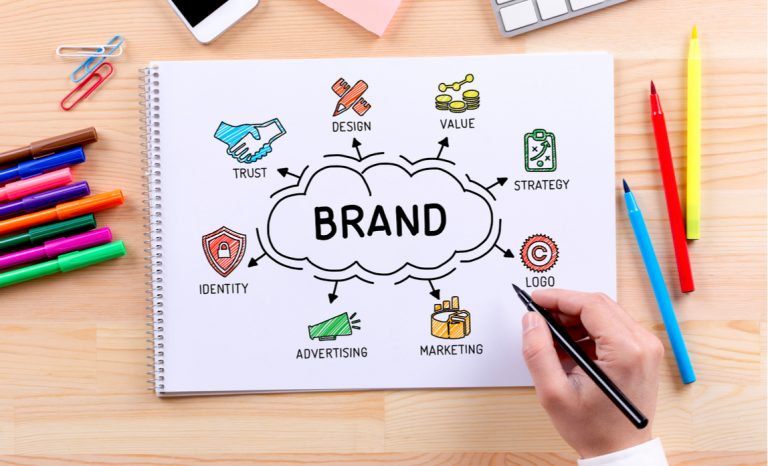
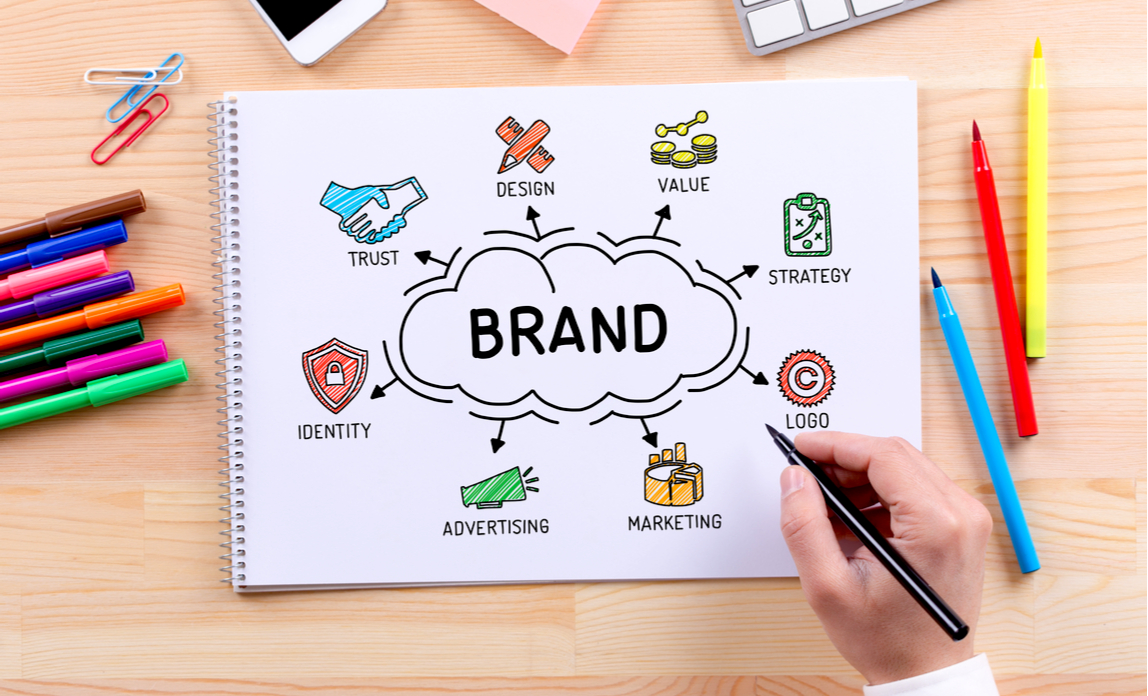
branding your brand inc takes center stage in a world where identity and perception shape business success. This journey into branding unravels the essential principles and strategies that can turn your brand into a memorable experience for your audience.

From understanding the basics of brand identity to diving deep into the nuances of visual branding and digital presence, we explore how successful brands create lasting impressions. Get ready to discover the secrets that make brands resonate and thrive in today’s competitive landscape.

Branding Basics

Branding is the process of creating a unique identity for a product, service, or company that distinguishes it from competitors. It encompasses the values, personality, and promise that the brand communicates to its audience. A strong brand is essential in business as it fosters customer loyalty, enhances recognition, and can significantly impact market share and profitability.Key elements of a strong brand identity include brand name, logo, color palette, typography, and brand voice.

Each element should work cohesively to communicate the brand’s essence and resonate with its target audience. A well-defined brand identity not only helps in attracting new customers but also in retaining existing ones by building trust and familiarity.

Elements of a Strong Brand Identity

Understanding the components that make up a strong brand identity is crucial for any business looking to establish itself in the marketplace. The following elements are fundamental:

  • Brand Name: The name should be memorable, easy to pronounce, and reflective of the company’s mission or values.
  • Logo: A visually impactful logo serves as the face of the brand, encapsulating its essence and making it easily recognizable.
  • Color Palette: Colors evoke emotions and convey messages. A carefully chosen palette can elicit specific feelings and associations.
  • Typography: The style of text used in branding materials communicates tone and personality. Consistency in typography reinforces the brand’s identity.
  • Brand Voice: The language and tone used in communication should align with the brand’s personality, be it formal, casual, playful, or serious.

Successful brands often leverage these elements effectively to create a cohesive and engaging brand experience. For instance, Nike’s branding strategy emphasizes empowerment and athleticism, encapsulated in its iconic “Swoosh” logo and motivational tagline, “Just Do It.” This approach not only resonates with athletes but also inspires individuals to strive for their best, enhancing brand loyalty.Another example is Apple, whose minimalist design philosophy is evident in its logo, product design, and marketing materials.

Apple’s branding highlights innovation and quality, creating a strong emotional connection with consumers. Their consistent use of sleek visuals and straightforward messaging reinforces their identity as a premium brand in technology.In summary, branding is more than just a logo or a tagline; it is the entire experience that a customer has with a company. Establishing a strong brand identity requires careful consideration of all elements to create a memorable and impactful presence in the marketplace.

Brand Development Strategies

Branding overview | Marketing Donut

Creating a compelling brand involves a strategic approach that interweaves storytelling, market research, and a deep understanding of your target audience. A well-crafted brand not only communicates what your business stands for but also resonates with your audience on a personal level. This section will delve into essential strategies for brand development, focusing on brand storytelling, market research, and audience profiling.

Steps for Creating a Compelling Brand Story

A powerful brand story can differentiate your brand in a crowded market. It connects emotionally with consumers, fostering loyalty and trust. Here are the key steps to develop an engaging brand story:

1. Define Your Brand’s Purpose

Understand what drives your brand. This purpose should align with your values and mission.

2. Identify Your Unique Value Proposition

Determine what sets your brand apart from competitors. Highlight the benefits and features that make your brand special.

3. Know Your Audience

Research your audience to understand their needs, desires, and pain points. A well-defined target audience will help shape your narrative.

4. Craft the Narrative

Create a storyline that reflects your brand’s values, mission, and audience. Use relatable characters and scenarios to make your story engaging.

5. Utilize Multi-Channel Storytelling

Share your brand story across different platforms – social media, website, and advertising. Consistency in messaging strengthens brand recognition.

6. Evolve Your Story

As your brand grows, your story may need to evolve. Stay flexible and adapt your narrative to reflect new developments, customer feedback, and market changes.

“A brand story is not just about what you sell; it’s about why you sell it.”

Process of Conducting Market Research for Brand Positioning

Market research is crucial for effectively positioning your brand within the competitive landscape. It provides insights into consumer behavior, preferences, and market trends. The process includes:

Defining Research Objectives

Clearly Artikel what you aim to achieve through research. This may include understanding customer satisfaction, identifying market trends, or evaluating competitors.

Choosing Research Methods

Select appropriate methods such as surveys, focus groups, or interviews to gather qualitative and quantitative data.

Collecting Data

Analyze demographic data, customer feedback, and market trends. Utilize tools like Google Analytics, social media insights, and industry reports.

Analyzing Competitors

Conduct a SWOT analysis (Strengths, Weaknesses, Opportunities, Threats) of your competitors to understand their positioning and strategies.

Interpreting Data

Translate your findings into actionable insights. Identify gaps in the market that your brand can fill or areas where you can improve.

Developing Positioning Strategies

Based on research insights, craft a brand positioning statement that clearly articulates how you want your brand to be perceived in the market.

Methods for Defining Target Audience Demographics and Psychographics

Understanding your target audience’s demographics and psychographics is essential for effective marketing and brand positioning. Here’s how to define them:

1. Demographic Analysis

Collect data on age, gender, income level, occupation, education, and geographic location. This quantitative information provides a foundation for understanding your audience.

2. Psychographic Profiling

Dive deeper into the emotional and psychological aspects of your audience. Analyze their interests, values, hobbies, and lifestyle choices to create a more rounded profile.

3. Creating Buyer Personas

Develop detailed buyer personas that represent segments of your target audience. Include data on demographics, behaviors, and motivations.

4. Utilizing Surveys and Feedback

Use surveys and customer feedback to directly gather insights from your audience. Questions can be crafted to unveil preferences, challenges, and aspirations.

5. Behavioral Analysis

Monitor online behaviors through website analytics and social media engagement. Understanding how your audience interacts with your brand can inform your marketing strategies.

6. Segmenting Your Audience

Based on the gathered data, categorize your audience into segments. This allows for tailored marketing efforts that resonate more effectively with each group.

“Knowing your audience shapes the way you communicate your brand.”

Visual Branding

Visual branding is a critical aspect of any business strategy, serving as the first encounter a consumer has with a brand. It encompasses various elements that work together to create a cohesive identity, effectively communicating the brand’s values and mission. A well-executed visual branding strategy not only enhances recognition but also fosters an emotional connection with the target audience.The significance of logo design in establishing brand recognition cannot be overstated.

A logo acts as the face of the brand, encapsulating its essence in a simple graphic. When designed effectively, it becomes instantly recognizable, serving as a mnemonic device for consumers. For instance, the iconic swoosh of Nike or the golden arches of McDonald’s are not just symbols; they evoke strong associations and emotions tied to the brands. These logos help consumers identify and differentiate brands within a crowded marketplace, playing a crucial role in building brand loyalty.

Role of Color Psychology in Branding

Color psychology plays a pivotal role in branding, influencing consumer perceptions and behaviors. Different colors evoke specific emotions and associations, making strategic color choices essential for effective branding. For example, the color blue is often associated with trust and dependability, which is why many financial institutions use it in their branding. In contrast, red can evoke feelings of excitement and urgency, making it popular among food brands aiming to stimulate appetite.Incorporating color psychology into branding involves understanding the target audience and the emotional responses desired.

Here are some commonly associated meanings of colors in branding:

  • Red: Passion, excitement, and urgency.
  • Blue: Trust, dependability, and calmness.
  • Green: Growth, health, and tranquility.
  • Yellow: Optimism, creativity, and warmth.
  • Purple: Luxury, wisdom, and ambition.

Utilizing these associations can enhance a brand’s effectiveness in conveying its message and connecting with consumers on a deeper level.

Guidelines for Developing a Consistent Visual Style

Creating a consistent visual style is essential for reinforcing brand identity across all platforms. A cohesive visual style ensures that every touchpoint a consumer has with the brand is aligned, enhancing recognition and trust. Below are key guidelines to establish and maintain a consistent visual style:

1. Define Brand Elements

Establish a clear definition of brand elements such as logo, color palette, typography, and imagery style. This foundational work provides a reference point for all visual materials.

2. Create a Style Guide

Develop a comprehensive style guide detailing the usage of logos, colors, fonts, and image styles. This guide should be utilized by anyone creating brand materials, ensuring uniformity in representation.

3. Adapt for Different Platforms

While maintaining consistency, adapt visuals to suit various platforms. For instance, social media graphics might need different dimensions or styles than print materials, but the core visual identity should remain intact.

4. Regularly Review and Update

Periodically assess visual branding elements to ensure they remain relevant and effective. Trends and audience preferences evolve, so staying current is essential for ongoing brand resonance.

5. Engage Professional Designers

Collaborating with professional designers can significantly enhance the quality of visual branding. Expertise in graphic design can lead to more polished and effective branding outcomes.

“A consistent visual style not only enhances brand recognition but also builds trust and loyalty among consumers.”

Brand Voice and Messaging

Establishing a unique brand voice and consistent messaging is crucial for connecting with your audience. A well-defined brand voice not only differentiates your brand from competitors but also fosters trust and loyalty among consumers. By tailoring your communication style, you can create a lasting impression that resonates with your target demographics and reinforces your brand values.To develop a unique brand voice, identify the traits that represent your brand’s personality.

Consider the emotions you want to evoke in your audience and how those emotions align with your brand’s mission and values. Your brand voice should remain consistent across all platforms, ensuring that your audience receives the same message regardless of how they engage with your brand.

Strategies for Effective Brand Messaging

Creating effective brand messaging requires a clear understanding of your audience and the channels you use to reach them. Here are some key strategies to consider:

Understand Your Audience

Conduct market research to grasp your target audience’s needs, preferences, and pain points. This understanding will shape your messaging to resonate deeply with them.

Define Your Key Messages

Clearly articulate the main points you want your audience to remember about your brand. These messages should align with your brand’s core values and mission.

Tailor Content for Each Channel

Different platforms have unique characteristics and user expectations. Adapt your messaging style and content format to suit each channel while maintaining your brand voice.

Use Engaging and Relatable Language

The use of conversational language can help humanize your brand. Avoid jargon or overly complex terms that may alienate your audience.

Incorporate Visual Elements

Pair your messaging with visuals that support and enhance your narrative. This could include infographics, videos, or images that align with your brand story.

Importance of Storytelling in Brand Communication

Storytelling serves as a powerful tool in brand communication, allowing businesses to convey their values and mission in a relatable manner. Stories help create emotional connections with consumers, making your brand more memorable. When well-executed, storytelling can transform abstract concepts into concrete narratives that resonate with your audience. Successful brands often utilize storytelling to illustrate their purpose and values. For instance, a sustainable clothing brand might share stories about the artisans who create their products, highlighting their craftsmanship and dedication to ethical practices.

This not only builds credibility but also engages consumers on a deeper level, forging a sense of community and shared values.Incorporating storytelling into your brand messaging involves structuring your content to include characters, challenges, and resolutions. This narrative framework helps convey complex ideas in an accessible way, making it easier for your audience to connect with your brand’s mission and values.

Digital Branding

In today’s digital landscape, establishing a vibrant online brand presence is essential for businesses of all sizes. A strong digital brand not only engages customers but also differentiates a business from its competitors. With a comprehensive approach to digital branding, companies can leverage various platforms and tools to create a cohesive narrative that resonates with their audience.The essential components of a robust online brand presence include a well-designed website, active social media channels, search engine optimization (), and consistent messaging across all platforms.

Each of these elements plays a crucial role in shaping how customers perceive your brand and can significantly influence their purchasing decisions.

Components of a Strong Online Brand Presence

To effectively craft an online brand, it is important to integrate the following components. Each element contributes to a unified branding experience for your audience.

  • Website: Your website serves as the digital storefront. It should be user-friendly, visually appealing, and align with your brand’s identity. Prioritize mobile optimization and ensure fast loading times.
  • Social Media: Utilize platforms like Instagram, Facebook, Twitter, and LinkedIn to engage with your audience. Share valuable content and interact with followers to create a community around your brand.
  • : Optimize your website for search engines to increase visibility. Use relevant s, create quality content, and ensure your website is technically sound to improve rankings.
  • Content Marketing: Develop and share content that adds value to your audience, such as blogs, videos, and infographics. This positions your brand as an authority in your industry.
  • Email Marketing: Build a mailing list to maintain contact with your customers. Send newsletters, offers, and personalized content to keep your audience engaged.

Role of Social Media in Building and Maintaining a Brand

Social media plays a pivotal role in branding, enabling businesses to connect directly with their customers. It serves as a platform for storytelling and customer interaction, thus humanizing the brand and fostering loyalty. A strategic social media presence can amplify brand awareness and create a dialogue with consumers.Social media allows brands to showcase their personality and values through various types of content, including posts, stories, and live sessions.

It’s also an effective channel for customer feedback, which can be invaluable for improvement and adaptation.

“Social media is not just an activity; it is an investment of valuable time and resources.”

Checklist for Optimizing Your Website for Brand Consistency

Maintaining brand consistency across your website is crucial for reinforcing your brand identity. Here’s a checklist to ensure your website aligns with your overall branding strategy:

  • Brand Colors: Use a consistent color palette that reflects your brand’s personality throughout your site.
  • Logo Placement: Ensure your logo is visible on every page, prominently placed to enhance recognition.
  • Typography: Stick to a specific set of fonts that are used consistently across all site text to maintain a cohesive look.
  • Imagery: Use high-quality images that align with your brand’s style and values, avoiding stock photos that feel generic.
  • Content Tone: Maintain a consistent voice and tone in your written content that reflects your brand’s personality.
  • User Experience: Ensure navigation is intuitive, and the user journey aligns with your brand ethos, making it easy for visitors to engage with your content.

Brand Monitoring and Adaptation

In an ever-evolving marketplace, understanding how your brand is perceived is essential for maintaining relevance and connection with your audience. Brand monitoring and adaptation involve tracking shifts in consumer perceptions and behaviors, allowing brands to respond effectively to ensure ongoing engagement and loyalty. This section delves into the importance of tracking brand perception, gathering valuable customer feedback, and adapting branding strategies based on insights and market trends.

Methods for Tracking Brand Perception

To effectively monitor how your brand is perceived in the marketplace, various methods can be employed. These approaches provide valuable insights into consumer opinions and sentiments surrounding your brand.

  • Social Media Monitoring: Tracking brand mentions, comments, and sentiments across platforms such as Twitter, Facebook, and Instagram provides real-time insights into public perception.
  • Surveys and Polls: Conducting regular surveys enables brands to gauge customer satisfaction and collect opinions directly from their audience, revealing areas for improvement.
  • Online Reviews and Ratings: Analyzing feedback on platforms like Google My Business and Yelp helps brands understand consumer sentiments and identify potential issues.
  • Website Analytics: Utilizing tools like Google Analytics to track user behavior on your site offers insights into consumer engagement and interest in specific products or services.

Tools and Techniques for Customer Feedback Gathering

Gathering customer feedback is essential for understanding the effectiveness of branding efforts and making informed decisions. Several tools and techniques can facilitate this process.

  • Feedback Forms: Simple forms on websites allow customers to share their experiences and suggestions directly, making it easy to collect insights.
  • Net Promoter Score (NPS): This widely-used metric measures customer loyalty and satisfaction, helping brands determine how likely customers are to recommend their products or services.
  • Focus Groups: Conducting focus group discussions with a diverse group of customers provides in-depth qualitative feedback on branding efforts and perceptions.
  • Customer Interviews: One-on-one discussions can uncover detailed insights into customer experiences and expectations, revealing deeper layers of brand perception.

Strategies for Adapting Brand Based on Market Trends

Adapting your brand in response to market trends and consumer insights is crucial to staying relevant and competitive. Implementing effective strategies ensures that your brand evolves alongside its audience.

  • Trend Analysis: Regularly reviewing industry trends and emerging consumer behaviors helps brands stay ahead of the curve and anticipate changes in preferences.
  • Agile Branding: Developing a flexible branding strategy allows for quick adjustments in messaging and visuals based on real-time consumer feedback and market conditions.
  • Customer-Centric Innovations: Implementing changes to products or services that reflect customer preferences enhances brand loyalty and satisfaction, ensuring that offerings remain relevant.
  • Collaborative Initiatives: Partnering with influencers or other brands that resonate with your target market can drive engagement and refresh brand perception.

“Staying adaptable in branding is not just about responding to changes but anticipating them.”

Brand Partnerships and Collaborations

Strategic brand partnerships and collaborations can significantly enhance a brand’s growth trajectory. When two or more brands come together, they can combine their strengths, resources, and customer bases, creating a powerful synergy that benefits all parties involved. These collaborations not only expand reach but also enhance brand credibility and visibility in the market.Brand partnerships can lead to multiple advantages, such as increased market reach, shared resources, and improved innovation.

When brands align their goals and values, they can leverage each other’s strengths to deliver unique offerings and experiences to their customers. This can lead to improved customer loyalty, increased sales, and a stronger market presence.

Benefits of Strategic Partnerships

Exploring the benefits of strategic partnerships reveals how they can create value for all stakeholders involved. Key benefits include:

  • Expanded Audience Reach: Collaborations can introduce brands to new customer segments, increasing their overall market presence.
  • Resource Sharing: Brands can pool their resources, from technology to marketing efforts, creating cost efficiencies and enhanced capabilities.
  • Enhanced Innovation: Partnering with another brand can spark new ideas and solutions, driving innovation through diverse perspectives.
  • Increased Credibility: Aligning with reputable brands can enhance credibility and trust among consumers, as partnerships often signify quality and reliability.
  • Improved Customer Experience: Collaborative efforts can lead to unique product offerings and experiences that differentiate brands in a competitive landscape.

Successful Brand Collaborations

Several notable brand collaborations have demonstrated the powerful impact of strategic partnerships on brand growth. Examples include:

  • Adidas and Parley for the Oceans: This partnership focuses on sustainability by creating footwear and apparel from recycled ocean plastic, enhancing both brands’ commitment to environmental protection and appealing to eco-conscious consumers.
  • Starbucks and Spotify: This collaboration allows Starbucks customers to influence the in-store music selection, blending coffee culture with music discovery and enhancing customer engagement.
  • Coca-Cola and McDonald’s: Their long-term partnership has involved co-branding initiatives, ensuring that Coca-Cola products are prominently featured in McDonald’s restaurants, benefiting both brands through increased visibility and sales.
  • GoPro and Red Bull: This partnership has combined GoPro’s action cameras with Red Bull’s extreme sports marketing, creating compelling content that resonates with adventure enthusiasts and aligns with both brands’ identities.

Framework for Assessing Potential Partners

To ensure that partnerships align with your brand values and objectives, a structured assessment framework is essential. Consider the following criteria:

  • Shared Values: Identify partners that share similar core values and missions to ensure alignment and authenticity in collaboration.
  • Complementary Strengths: Evaluate potential partners based on their strengths that complement your brand’s offerings, allowing for enhanced value creation.
  • Market Fit: Analyze whether the potential partner has a solid presence in a market segment that aligns with your target audience, ensuring relevance and mutual benefit.
  • Long-term Vision: Assess the long-term goals of potential partners to ensure a shared vision for growth and impact, minimizing risk of misalignment.
  • Reputation and Credibility: Research the partner’s reputation to ensure they possess a strong market presence and credibility that will enhance your brand image.

Case Studies in Branding

Branding is a dynamic process that can determine the success or failure of a company. By analyzing well-known brands and their branding journeys, we gain insights into effective strategies and potential pitfalls. This section explores various branding approaches within the same industry, highlighting lessons learned from notable rebranding efforts.

Branding Journeys of Iconic Brands

Several brands have successfully navigated the complexities of branding, showcasing diverse approaches and strategic pivots. Here are a few notable examples that stand out:

  • Coca-Cola: Coca-Cola’s branding journey emphasizes consistency and emotional connection. The brand’s iconic red and white color scheme, combined with its timeless logo, has created a strong, recognizable identity. Their marketing campaigns, such as “Share a Coke,” tapped into personalized experiences that resonate with consumers on an emotional level.
  • Apple: Apple’s branding strategy focuses on simplicity and innovation. The brand cultivated a reputation for high-quality design and user-friendly technology. Their marketing often emphasizes lifestyle aspirations, portraying their products as essential tools for creative expression and productivity.
  • Nike: Nike has successfully built a strong brand identity centered around empowerment and motivation. The “Just Do It” slogan encapsulates their mission to inspire athletes of all levels. Their branding leverages athlete endorsements and partnerships to reinforce authenticity and relatability.

Comparative Branding Approaches within the Beverage Industry

Examining the beverage industry reveals contrasting branding strategies, particularly between Coca-Cola and Pepsi. Both brands employ distinct marketing tactics to capture market share and consumer loyalty.

  • Coca-Cola: Coca-Cola relies heavily on nostalgia and emotional branding. Their advertisements often evoke memories of shared experiences, linking the product with positive emotions. Seasonal campaigns, such as their holiday advertisements, further reinforce these sentiments.
  • Pepsi: Conversely, Pepsi targets a younger demographic through trend-driven marketing. Their campaigns often feature contemporary music, pop culture references, and celebrity endorsements, aiming to connect with a youthful audience seeking innovation and excitement.

Lessons from Notable Rebranding Efforts

Rebranding can be a double-edged sword, as illustrated by the experiences of several well-known companies. The following examples highlight significant lessons learned from rebranding efforts.

  • Gap: Gap’s attempt to rebrand its logo in 2010 faced public backlash, leading to the swift reinstatement of the original logo. This incident underscores the importance of consumer feedback and the risks associated with altering established brand identities.
  • Old Spice: Old Spice successfully revitalized its brand through a clever marketing campaign targeting a younger audience. By reimaging its advertising and incorporating humor and creativity, Old Spice transformed from an outdated brand to a trendy choice for men’s grooming products.
  • Burberry: Burberry’s rebranding strategy involved modernizing its image while maintaining its heritage. Through strategic partnerships and celebrity endorsements, Burberry repositioned itself as a luxury brand appealing to a younger, more fashion-forward audience.

Outcome Summary

In conclusion, mastering branding your brand inc is not just about creating a logo or a catchy tagline; it’s about weaving a narrative that connects with your audience on multiple levels. By applying the strategies discussed, you can elevate your brand to new heights, ensuring it stands out and leaves a significant impact in the marketplace.

Questions and Answers

What is the first step in branding my company?

The first step is defining your brand’s mission, vision, and values to establish a strong foundation.

How important is market research in branding?

Market research is crucial as it helps you understand your target audience and competition, guiding your branding strategies.

What role does social media play in branding?

Social media is vital for building brand awareness, engaging with customers, and showcasing your brand personality.

How do I maintain brand consistency?

Develop a style guide and ensure all team members adhere to it across all platforms and communications.

What should I do if my brand is not resonating with the audience?

Gather feedback, reassess your branding strategies, and be open to adapting your approach to better meet audience expectations.

Barbeque branding irons offer a unique way to personalize your culinary creations, adding a touch of artistry and heritage to your grilling experience. From rustic designs to modern aesthetics, these tools allow you to mark your barbeque with a distinctive style. This guide delves into the history, design, and marketing of these specialized tools, exploring the factors that contribute to their appeal and effectiveness.

This comprehensive guide will explore the intricacies of barbeque branding iron design, functionality, and branding strategies. We’ll examine the different types of branding irons available, highlighting the materials and construction that impact their performance. Understanding the market trends and future prospects for these specialized tools will be essential for success.

Introduction to Barbeque Branding Irons

Barbecue branding irons are specialized tools used to create custom designs and markings on barbequed meats and other foods. These tools offer a unique way to personalize and enhance the visual appeal of culinary creations. They’re more than just a novelty; they contribute to the overall presentation and sometimes even the storytelling of a barbeque dish.Beyond aesthetics, branding irons can also serve as a way to indicate the origin, style, or even the chef’s signature on a dish.

This practice, while often associated with modern barbeque, has roots in the historical use of branding.

Uses and Types of Branding Irons

Branding irons are available in various shapes and sizes, allowing for a range of design options. They are typically made from high-quality materials like stainless steel or carbon steel, designed to withstand high temperatures during cooking. The most common types are those for creating text, logos, or simple designs. Specialized branding irons can also be used to create intricate designs or patterns.

Significance of Branding in Barbeque

Branding on barbeque products adds a touch of personalization and artistry to the culinary experience. It often reflects the unique style or origin of the dish. A custom-branded item, such as a piece of meat with a logo or name, can be a distinctive feature, adding a memorable element to the entire meal. The act of branding on barbeque also adds to the sense of community and heritage.

Historical Context of Branding on Barbeque

The practice of branding has a rich history in various culinary traditions, extending beyond barbeque. In many cultures, branding was used to identify livestock, and this practice is reflected in modern barbeque techniques. In some cases, it signifies the origin or the chef’s signature, or even a celebratory message. The historical context suggests that branding goes beyond just visual appeal and touches upon traditions and the significance of heritage.

Target Audience for Barbeque Branding Irons

The target audience for barbeque branding irons is diverse, encompassing both professional and amateur cooks. Professional chefs, restaurant owners, and barbecue enthusiasts who appreciate high-quality cooking tools are likely to find these irons useful. These tools appeal to those who want to elevate their barbeque cooking from casual to the more artistic and personalized level. The irons are also likely to appeal to those who want to add a personal touch to their culinary creations.

Design and Functionality of Branding Irons

Barbecue branding irons are more than just tools; they’re artistic instruments that transform simple cuts of meat into culinary masterpieces. Their design, functionality, and the careful selection of materials all contribute to the unique aesthetic of a perfectly seared mark. The ability to create custom branding on your barbecue creations elevates the overall dining experience.The design and functionality of these irons are intricately linked.

A well-designed iron ensures a clean, consistent mark, while a poorly crafted one may result in an uneven or distorted impression. This section delves into the key elements that define a high-quality branding iron, from its size and material to the nuances of its handle.

Size and Shape of Branding Irons

The size and shape of the branding iron directly impact the size and style of the mark. Smaller irons are suitable for delicate work or intricate designs, while larger ones are better for bolder statements. A careful consideration of the size and shape ensures that the mark complements the overall presentation of the dish. Irons with curved or angled surfaces enable the creation of more complex designs, enhancing the visual appeal of the food.

Material Selection for Branding Irons

The material of a branding iron significantly influences its performance and longevity. Steel and cast iron are common choices, each with its own set of advantages.

  • Steel: Steel irons often exhibit excellent heat conductivity, allowing for rapid heating and consistent searing. This quick heating process is crucial for preserving the integrity of the meat underneath. However, steel irons may require more frequent maintenance due to potential rust susceptibility, especially when not properly stored. This factor should be considered in terms of long-term use and upkeep.

  • Cast Iron: Cast iron branding irons are renowned for their durability and ability to retain heat. This retention of heat allows for consistent searing over longer periods, potentially reducing the number of times the iron needs reheating. Their robust nature makes them ideal for heavy-duty use, however, the added weight may make them less maneuverable compared to lighter steel options.

    Different grades of steel or cast iron can have different heat retention capabilities and this must be considered when selecting a material for the iron.

Handle Types and Ergonomics

The handle design plays a crucial role in the user experience. Different handle types offer varying levels of comfort and control. A well-designed handle ensures that the user can maintain control over the iron during the branding process.

  • Ergonomic Handles: Handles designed with ergonomics in mind provide a comfortable grip, reducing strain on the user’s hand and wrist. This ergonomic design is important for extended use during barbeque sessions.
  • Textured Handles: Textured handles offer enhanced grip, particularly during handling in high-temperature situations. This added grip is particularly useful for preventing accidental slips.

Functionality and Branding Process

Using a branding iron involves a specific technique. Correct application ensures a crisp, clean mark without damaging the food or the iron.

  • Preheating: Proper preheating is essential for achieving a consistent mark. Adequate heating time is critical for optimal results.
  • Applying the Iron: Carefully apply the hot iron to the desired location, ensuring even pressure to achieve the desired mark. Excessive pressure may lead to an uneven impression or damage the surface of the food.
  • Cooling: Allow the iron to cool before handling. This prevents burns and ensures a safe process.

Impact of Design on the Branded Mark

The shape and material of the branding iron directly influence the appearance of the final mark. A well-crafted iron will produce a clear, sharp, and consistent design.

  • Sharp Impressions: Sharp impressions, when applied correctly, create a clean and precise design. This level of precision adds a professional touch to the presentation of the food.
  • Clear Lines: Clear lines, achieved through precise use of the iron, create a sophisticated visual appeal. This design choice can significantly elevate the presentation of the dish.

Examples of Branding Iron Designs

Various designs are possible, catering to individual preferences and creative visions.

  • Classic Monograms: Simple, elegant monograms can add a personalized touch to the food. This approach allows for a straightforward yet memorable impression.
  • Custom Logos: Custom logos can be branded onto the food, promoting a restaurant or brand. This method is effective in branding and marketing.
  • Geometric Patterns: Geometric patterns, carefully applied, add a touch of sophistication to the food. This design choice can complement various culinary presentations.

Branding Strategy for Barbeque Branding Irons

A successful branding strategy for barbeque branding irons is crucial for establishing a strong market presence and attracting a loyal customer base. It involves more than just a catchy name; it encompasses a cohesive message, target market identification, and consistent visual representation. This strategy should reflect the unique selling points of the irons and position them within the broader culinary landscape.A well-defined branding strategy for barbeque branding irons considers factors such as the desired market positioning (premium, budget-friendly, or specialty), the intended customer base, and the competitive landscape.

Understanding these nuances allows for the creation of a distinctive brand identity that resonates with the target audience and sets the irons apart from competitors.

Brand Values and Messaging

Defining brand values is critical for building a recognizable identity. These values should align with the intended target market and should be consistently communicated across all marketing materials. For example, a brand emphasizing quality and craftsmanship might appeal to discerning home cooks, while a brand focusing on affordability and ease of use might target beginners.

  • For a premium brand, values like “durability,” “craftsmanship,” and “superior performance” might be highlighted. Messaging could focus on the longevity and exceptional results achievable with the iron.
  • A budget-friendly brand could emphasize “value,” “affordability,” and “versatility.” Messaging might focus on the ability of the iron to be used for various tasks and the quality of results despite the price point.
  • A specialty brand might focus on “unique designs,” “artistic expression,” and “food artistry.” Messaging could highlight the ability of the iron to create personalized and memorable branding on food.

Branding Strategies by Iron Style

Different barbeque branding iron styles require tailored branding strategies to cater to specific customer needs and preferences.

Iron Style Target Market Brand Values Messaging Focus
Classic/Traditional Experienced cooks, enthusiasts seeking durability Quality, reliability, heritage “Timeless design, generations of grilling excellence”
Modern/Contemporary Design-conscious cooks, those seeking innovative tools Modernity, innovation, stylish design “Sleek aesthetic, advanced grilling techniques”
Specialty/Unique Design Artisanal cooks, those who seek creative expression Creativity, individuality, artistic flair “Personalized branding, culinary artistry”

Creating a Strong Brand Identity

A strong brand identity is crucial for attracting and retaining customers. It encompasses a combination of visual elements, messaging, and overall experience. The identity should resonate with the target audience and create a memorable association with the brand.

“Consistent brand identity across all touchpoints, from website to packaging, builds recognition and trust.”

This involves using consistent color palettes, typography, and imagery across marketing materials, website, and social media.

Logo and Brand Name

A memorable logo and brand name are essential components of a successful branding strategy.

  • Potential Brand Name: “EmberMark” (evokes warmth, grilling, and marking)
  • Potential Logo: A stylized image of a branding iron with a subtle flame or grill mark, incorporating a color palette that evokes a sense of warmth and quality.

Marketing and Sales Strategies

Effective marketing and sales strategies are crucial for the success of barbeque branding irons. A well-defined strategy can significantly impact brand awareness, drive sales, and ultimately, build a loyal customer base. This section Artikels key approaches for achieving these objectives.

Marketing Channels

A multifaceted approach to marketing is essential for reaching the target audience. A comprehensive strategy leverages various channels to maximize exposure and engagement.

  • Online Marketplaces: Platforms like Amazon, Etsy, and specialized barbeque supply websites provide significant reach. High visibility and established buyer bases make these platforms highly effective.
  • Social Media Marketing: Utilizing platforms like Instagram, Facebook, and TikTok, allows for targeted advertising, engaging content, and community building. Visual demonstrations and customer testimonials are highly impactful.
  • Influencer Marketing: Partnering with food bloggers, barbeque enthusiasts, or lifestyle influencers can significantly boost brand awareness. Authentic reviews and product demonstrations by trusted figures are key.
  • Search Engine Optimization (): Optimizing website content and product listings for relevant s enhances organic search results. Improved visibility increases discoverability and leads to higher traffic.
  • Email Marketing: Building an email list allows for direct communication with potential and existing customers. Targeted campaigns, product announcements, and promotional offers are valuable tools.
  • Print and Local Advertising: For regional or niche markets, local newspapers, magazines, and flyers can reach specific demographics. This is especially effective for local barbeque events and competitions.

Pricing Strategy

Competitive pricing is vital for attracting customers and achieving profitability. Pricing must consider production costs, market trends, and perceived value.

  • Cost-Plus Pricing: A straightforward approach that adds a markup to the production cost. This method ensures profitability but might not always be competitive.
  • Value-Based Pricing: Focuses on the perceived value of the product. Branding irons with advanced features or superior craftsmanship command higher prices.
  • Competitive Pricing: Analyzing competitor pricing provides a benchmark. Adjustments are made to remain competitive while maintaining profitability.
  • Price Differentiation: Offering different tiers of branding irons with varying features and price points caters to diverse customer needs and budgets. This strategy maximizes reach.

Sales Strategies

Sales strategies directly impact revenue generation and customer acquisition. Effective strategies are crucial for driving sales and exceeding targets.

  • Promotional Offers: Discounts, bundles, and coupons incentivize purchases. This encourages immediate sales and attracts new customers.
  • Partnerships: Collaborations with barbeque retailers and suppliers expand distribution networks and reach new customer segments.
  • Referral Programs: Incentivizing existing customers to refer new customers generates organic leads. This approach leverages word-of-mouth marketing.
  • Special Events and Competitions: Hosting barbeque contests or demonstrations creates opportunities for showcasing the product and attracting new customers.

Building Customer Loyalty

Customer loyalty is essential for long-term success. Building a loyal customer base generates repeat business and positive brand perception.

  • Exceptional Customer Service: Prompt and helpful responses to inquiries and concerns build trust and foster loyalty. Addressing issues promptly is key.
  • Personalized Communication: Tailoring communication to individual customer needs creates a sense of connection. Personalized recommendations for product upgrades are effective.
  • Exclusive Perks: Offering exclusive discounts, early access to new products, or special events to loyal customers strengthens the bond.
  • Customer Feedback Mechanisms: Collecting feedback and acting upon it demonstrates a commitment to customer satisfaction. This shows customers their opinions matter.

Pricing and Marketing Strategy Comparison

Price Point Marketing Strategy Pricing Strategy
Premium Focus on high-end social media marketing, influencer collaborations, and exclusive events. Value-based pricing, emphasizing premium features and craftsmanship.
Mid-Range Utilize a blend of social media marketing, , and partnerships with retailers. Competitive pricing, balancing features and cost-effectiveness.
Budget-Friendly Emphasize online marketplaces, , and targeted advertising on social media. Cost-plus pricing, focusing on affordability and basic functionality.

Market Trends and Future Prospects

The barbecue branding iron market is experiencing a surge in popularity, driven by a growing interest in outdoor cooking and personalization. Consumers are increasingly seeking unique ways to enhance their grilling experiences and showcase their culinary creativity. This trend is likely to continue, with the potential for further expansion into new segments.

Current Market Trends

The current market for barbecue branding irons is characterized by a strong emphasis on design aesthetics and customization options. Consumers are seeking irons that not only effectively brand their food but also complement the overall aesthetic of their outdoor cooking setup. This demand is evident in the rise of premium materials, intricate designs, and a wider array of branding options.

Future Market Directions

Future market directions are likely to be shaped by several factors. A key development will be the integration of technology, allowing for more precise and controlled branding. Smart branding irons with adjustable temperature settings, digital displays, and connectivity options are likely to emerge. Moreover, the focus on sustainability will likely influence the materials used in the production of these irons.

Role of Technology in Shaping the Future

Technological advancements are poised to revolutionize the barbecue branding iron experience. The incorporation of smart features will enable greater precision and control over branding, potentially offering customized temperature settings and real-time feedback on the branding process. Connectivity features could allow users to access tutorials, share branding designs, or even remotely control the iron’s settings. This could lead to more engaging and interactive branding experiences for consumers.

Emerging Trends and Potential Opportunities

Emerging trends indicate a growing interest in specialized branding irons for specific culinary applications. The demand for irons capable of creating intricate designs or personalized messages is expected to rise. Moreover, collaborations with food influencers and chefs to develop unique branding iron designs or recipes will likely create innovative and appealing products. Opportunities exist for companies to leverage digital marketing strategies and partnerships to reach a wider audience.

Evolution of Barbecue Branding Iron Design

Era Design Features Materials Notable Examples
Early 2000s Simple, basic designs; often made of steel or cast iron. Steel, cast iron Basic round or square branding shapes.
Mid 2010s Increased variety in shapes and designs; introduction of more decorative styles. Steel, cast iron, some stainless steel Some brands started offering different handles and designs.
Present Complex, intricate designs; integration of customizable elements; use of premium materials. Stainless steel, high-carbon steel, and specialized alloys. Branding irons with laser engraving options and temperature control systems.
Future Smart branding irons with digital displays, adjustable temperature settings, and connectivity options. Advanced alloys, composites, and potentially 3D printed designs. (Example) Irons with Bluetooth connectivity to share designs and receive real-time feedback.

Visual Representation of Barbeque Branding Irons

A strong visual identity is crucial for barbeque branding irons, as it directly impacts customer perception and brand recognition. Effective visual representation conveys quality, craftsmanship, and the unique selling propositions of the product line. This section delves into the ideal visual representation across various touchpoints, emphasizing design elements that resonate with the target market.The visual language employed should effectively communicate the key benefits and features of the branding irons.

This includes highlighting the ease of use, durability, and the aesthetic appeal of the finished branding mark. Visuals should be consistent across all platforms, ensuring a cohesive brand experience for the customer.

Product Packaging Design Mockups

Packaging design significantly influences the first impression of the product. High-quality packaging communicates professionalism and attention to detail, reflecting the value proposition of the branding irons.

  • Premium Packaging Mockup: A sleek, matte black box with gold accents, showcasing a stylized rendering of the branding iron and its key features. The box could feature a subtle, embossed logo and product name.
  • Modern Packaging Mockup: A minimalist design with bold, contrasting colors, like vibrant red and deep blue, combined with a matte finish. The design would focus on a clear, product-centric presentation of the branding iron.
  • Rustic Packaging Mockup: A natural wood-grain box with warm, earthy tones. A subtle illustration of the branding iron, integrated into the wood grain, would create a rustic appeal. The packaging could also feature natural twine or twine-like rope for a hand-crafted aesthetic.

Image and Illustration Styles

Visuals should effectively showcase the branding iron’s functionality and design.

  • High-Quality Product Shots: Clear, well-lit photographs of the branding iron in use. Focus on showcasing the intricate details of the design, the quality of the materials, and the precision of the branding process. Include images of the iron against a contrasting backdrop to highlight its form.
  • Stylized Illustrations: Illustrations could portray the branding iron in a stylized, almost cartoonish manner, highlighting the playful and fun aspect of barbeque branding. The illustrations could also showcase various branding possibilities on different types of meats, vegetables, or even custom designs.
  • Close-up Shots: Highlighting the branding iron’s design elements, such as the handle’s ergonomics, the heat distribution, or the precision of the engraved design. This would demonstrate the quality and craftsmanship.

Color Palettes and Typography

Color palettes and typography should be carefully selected to align with the brand’s overall aesthetic. Consistent use of colors and fonts across all platforms reinforces brand recognition and builds trust with the target market.

  • Warm Color Palette (Rustic): Earthy tones like burnt orange, deep brown, and muted greens evoke a sense of rustic charm and quality. A complementary typeface like a serif font could be used for a traditional feel.
  • Modern Color Palette: Bold, contrasting colors like deep blue, vibrant red, or sleek black combined with a clean sans-serif typeface would create a modern and sophisticated aesthetic. A color palette that blends industrial and modern designs would appeal to consumers who value quality and style.
  • Neutral Color Palette (Premium): A sophisticated color palette that uses matte black and gold accents would create a luxurious and professional feel. A simple, elegant sans-serif typeface would reinforce the brand’s commitment to high-end craftsmanship.

Visual Element Table

This table demonstrates the potential use of different visual elements for various branding iron styles.

Branding Iron Style Primary Visual Element Color Palette Typography Illustrative Example
Premium High-quality product shots, close-ups Neutral (black, gold) Elegant sans-serif A polished branding iron displayed on a dark background with gold accents.
Rustic Stylized illustrations, natural wood grain packaging Warm (burnt orange, brown, green) Serif A branding iron depicted on a natural wood background, emphasizing its hand-crafted appeal.
Modern Bold product shots, contrasting colors Vibrant (red, blue, black) Sans-serif A modern branding iron displayed against a vibrant backdrop, highlighting its contemporary design.

End of Discussion

In conclusion, barbeque branding irons offer a fascinating intersection of artistry, practicality, and marketing strategy. From the historical context to modern market trends, this guide provides a complete overview of this unique tool. Ultimately, mastering the design, marketing, and sales strategies will determine the success of any barbeque branding iron venture.

Helpful Answers

What are the different types of barbeque branding irons?

Various types exist, ranging from simple, single-use designs to more elaborate, multi-purpose models. Materials such as steel and cast iron are common, each with its own set of characteristics affecting heat retention and branding clarity.

How do I choose the right material for my branding iron?

The ideal material depends on your needs and budget. Steel irons are often lighter and easier to handle, while cast iron provides better heat retention for deeper, more defined marks. Consider the longevity and intended use when making your selection.

What are some effective marketing strategies for barbeque branding irons?

Leveraging social media platforms, online marketplaces, and collaborations with food bloggers or influencers can significantly boost visibility. Highlighting the unique designs and personalization options can attract a dedicated customer base.

What are some common maintenance tips for barbeque branding irons?

Proper cleaning and storage are crucial for maintaining the quality of your branding iron. Allowing the iron to cool completely before storing and avoiding abrasive cleaners are key steps in extending its lifespan.

Online investment names are crucial in today’s digital landscape, where the right name can make or break an investment platform’s success. As the financial market becomes increasingly competitive, understanding the significance of a well-chosen name becomes essential for attracting and retaining investors.

In this discussion, we will explore the importance of online investment names, popular platforms, and the criteria for selecting a standout name. We’ll delve into emerging trends, legal considerations, and real-world case studies that highlight the impact of a strong brand name in the online investment space.

Definition and Importance of Online Investment Names

In the digital age, the concept of online investment names has gained significant traction as more investors seek opportunities through various platforms. These names serve not only as identifiers for investment ventures but also play a crucial role in how potential investors perceive a brand and its offerings. A well-chosen online investment name can foster trust, enhance visibility, and ultimately contribute to the success of the investment platform.Online investment names refer to the unique identifiers or titles used by investment platforms, funds, or financial services to represent their brand in the digital marketplace.

These names can reflect the mission, vision, or specific niche of the investment service, making them pivotal in attracting investors. A name that resonates with the target audience can enhance user engagement and lead to higher conversion rates.

Significance of Choosing the Right Investment Names in the Digital Space

Selecting an appropriate online investment name is integral to establishing a strong digital presence. The right name can significantly influence an investor’s decision-making process, as it encapsulates the brand identity and value proposition. Key aspects of why the right investment name is vital include:

  • Brand Recognition: A distinct and memorable name aids in differentiating a platform from competitors, facilitating easier recall for potential clients.
  • Trust and Credibility: Names that convey professionalism and reliability can foster trust among investors, which is essential in financial transactions.
  • and Discoverability: A strategic name can enhance search engine optimization () efforts, making it easier for investors to find the platform online.
  • Market Positioning: The name can reflect the specific niche or value proposition, helping to attract a targeted audience effectively.

Impact of Branding on Online Investment Platforms

Branding goes beyond just having a catchy name; it encompasses the entire perception of the investment platform in the market. The impact of branding includes several critical components:

  • Consistency: A cohesive branding strategy ensures that all elements, from the logo to the messaging, align with the investment platform’s goals, reinforcing its identity.
  • User Experience: A well-branded platform can enhance user experience by creating a sense of familiarity and comfort for investors navigating the site.
  • Emotional Connection: Strong branding can evoke emotions, allowing investors to connect with the platform on a deeper level, which is particularly important in the finance sector.
  • Perceived Value: Effective branding can elevate the perceived value of the services offered, encouraging investors to choose a platform over others.

Choosing the right online investment name and establishing a solid brand can be pivotal in attracting and retaining investors in a competitive landscape.

Popular Online Investment Platforms

The rise of technology has transformed the landscape of investing, making it more accessible than ever. Online investment platforms offer a variety of services that cater to both novice and experienced investors. These platforms have gained popularity due to their user-friendly interfaces, diverse investment options, and robust resources for financial education.Among the leading online investment platforms, several have distinguished themselves through their unique features, catering to various types of investors.

The following list highlights some of these platforms and what sets them apart:

Leading Online Investment Platforms and Their Features

The following platforms are recognized for their unique offerings and have gained substantial popularity among investors:

  • Robinhood: A commission-free trading platform that allows users to trade stocks, ETFs, and cryptocurrencies with a user-friendly mobile app. Its appeal lies in the simplicity of the interface and the elimination of trading fees.
  • Fidelity Investments: Known for its comprehensive research tools and 24/7 customer service, Fidelity offers a wide range of investment options, including stocks, bonds, and mutual funds, making it a favorite among serious investors.
  • TD Ameritrade: Offers extensive educational resources and trading tools, catering to beginner and advanced traders alike. Its Thinkorswim platform is particularly popular for its advanced charting and analysis capabilities.
  • eToro: A social trading platform where users can follow and copy the trades of successful investors. Its unique feature of social interaction and community engagement appeals to younger investors.
  • Charles Schwab: Offers a broad range of investment options, including robo-advisory services, and is known for its low-cost trading and top-notch research tools.

Several factors contribute to the popularity of these platforms among investors. Key factors include:

User Experience

Many platforms prioritize intuitive design, making it easy for users to navigate and execute trades.

Cost Efficiency

Commission-free trades and low fees attract a wide range of users, particularly those starting to invest.

Educational Resources

Access to tutorials, webinars, and articles empowers investors to make informed decisions.

Diverse Investment Options

A wide array of asset classes, including stocks, ETFs, mutual funds, and cryptocurrencies, allows investors to diversify their portfolios effectively.

Comparison of Investment Options

The investment options offered by these platforms can vary significantly, catering to different investor needs. The table below provides a comparison of key features and investment options available on each platform.

Platform Investment Options Unique Features Fees
Robinhood Stocks, ETFs, Cryptocurrencies No commission fees, easy-to-use app None for trading
Fidelity Investments Stocks, Bonds, Mutual Funds, ETFs Comprehensive research tools, 24/7 support No commissions for online stock and ETF trades
TD Ameritrade Stocks, ETFs, Options, Mutual Funds Advanced trading tools, extensive educational resources No commissions for online trades
eToro Stocks, ETFs, Cryptocurrencies Social trading features, copy trading Spread fees apply
Charles Schwab Stocks, Bonds, ETFs, Mutual Funds Robo-advisory services, low-cost trading No commission on online stock trades

These platforms have successfully catered to the evolving needs of investors by offering features that enhance user experience and investment opportunities. By understanding the unique aspects of each platform, investors can choose the one that best aligns with their financial goals and investment strategies.

Criteria for Selecting an Online Investment Name

Choosing the right name for an online investment platform is crucial as it often serves as the first impression clients will have. A well-crafted name can convey trust, professionalism, and clarity, while a poorly chosen name may lead to confusion or distrust. The name should align with the brand’s mission and resonate with the target audience to foster connection and recognition in a crowded market.Several key elements must be considered when selecting an online investment name.

The name should be memorable, easy to spell, and pronounce while also reflecting the nature of the business. Additionally, it is vital to ensure that the name aligns with your brand identity and values.

Domain Availability and Social Media Presence

In today’s digital landscape, securing the online presence of your investment platform is essential. Domain availability is a critical factor to consider. A name that is also available as a domain makes it easier for potential clients to find you online. Furthermore, having aligned social media handles is equally important for brand consistency and to enhance your marketing efforts.Before finalizing your investment name, check the availability of the .com domain, as this is often seen as the most authoritative.

Additionally, search for your chosen name across various social media platforms to ensure you can create accounts that reflect your brand cohesively.To further guide your naming process, below are some dos and don’ts:

These points will help streamline the naming process and ensure that your investment platform has a strong start:

  • Do: Choose a name that reflects the nature of your investment services.
  • Do: Keep it short and simple for easy recall.
  • Do: Ensure it has a positive connotation and does not have unintended negative meanings.
  • Do: Conduct thorough research to avoid names similar to existing competitors.
  • Do: Test it with your target audience for their feedback.
  • Don’t: Use complex words or jargon that may confuse potential clients.
  • Don’t: Choose a name that limits your business scope as you grow.
  • Don’t: Ignore the importance of checking for trademarks that could lead to legal issues.
  • Don’t: Rely solely on your personal preferences; consider the audience’s perspective.
  • Don’t: Overlook the significance of a strong online presence across domains and social media.

“A strong name can enhance your brand’s value, facilitating long-term recognition and trust.”

Trends in Online Investment Naming

As the online investment landscape continues to evolve, so too do the trends surrounding naming conventions for investment businesses. A name can significantly influence prospective investors’ perceptions and decisions, making it crucial to adopt contemporary naming strategies that resonate with today’s market. Current trends often reflect the values and aspirations of modern investors, including an emphasis on technology, transparency, and community engagement.One notable trend in naming online investment platforms is the move toward simplified, catchy names that are easy to remember.

Innovative names often incorporate financial terminology but blend it with approachable and friendly language. This approach not only demystifies investing but also helps to build trust with users. For instance, names like “Wealthsimple” and “Betterment” reflect a straightforward, user-friendly ethos that appeals to new and seasoned investors alike. Additionally, some companies are opting for tech-inspired names that hint at innovation, such as “Robinhood” and “Acorns,” which suggest accessibility and growth.

Comparison of Traditional vs. Modern Naming Strategies

The evolution of naming strategies has led to distinct differences between traditional and modern approaches. Understanding these differences can help investors and entrepreneurs alike to grasp the current naming landscape in online investment ventures. Below is a comparative overview highlighting key attributes of both traditional and modern naming conventions.

Aspect Traditional Naming Strategies Modern Naming Strategies
Language Style Formal and technical Conversational and approachable
Length Longer, descriptive names Short and catchy names
Focus Professionalism and credibility Accessibility and innovation
Trends Classic financial terms Creative blends and new terminology
Examples Smith & Associates Investments Stash, Chime, and SoFi

These trends illustrate a shift towards names that not only describe the service but also embody the values and experiences that resonate with today’s investors. The focus on simplicity and relatability is a clear indication that the modern investment community seeks more than just a return on investment; they desire a connection to the brands that handle their financial futures.

Legal Considerations in Naming Online Investment Platforms

When establishing an online investment platform, choosing a suitable name goes beyond creativity; it involves navigating a complex landscape of legal considerations. This is crucial for compliance with regulatory requirements and for protecting the business’s identity in a competitive market. Understanding these legal aspects ensures a smoother launch and ongoing operations.Regulatory compliance is foundational in naming an investment business. Each jurisdiction has specific requirements regarding the naming of financial services companies to protect consumers and maintain market integrity.

For instance, names must not be misleading and should accurately reflect the services provided. Regulatory bodies may require that names include terms like “Investment,” “Funds,” or “Advisors,” depending on the country’s laws. Additionally, due diligence is essential to avoid names that are too similar to existing firms, which can lead to legal disputes.

Trademarking an Online Investment Name

Trademarking an online investment name is crucial for protecting the brand and ensuring exclusive use. A registered trademark prevents other businesses from using a name that is confusingly similar, which can dilute the brand’s identity. The process of trademark registration involves several steps:

  • Conducting a trademark search to ensure the name is not already in use.
  • Filing the application with the relevant government authority, typically a trademark office.
  • Providing evidence of the name’s use in commerce to demonstrate it is more than just an idea.
  • Monitoring the application process for any oppositions from existing trademark holders.

The significance of trademarking lies in its legal protection. A trademark acts as a shield against infringement, allowing the business to take legal action against unauthorized use. This not only preserves the brand’s reputation but also instills confidence among customers regarding the integrity of the investment services offered.

Legal Issues from Naming Conflicts

Naming conflicts can lead to serious legal challenges for online investment platforms. Instances of trademark infringement, deceptive naming practices, and regulatory fines can all arise from poor naming choices. Some notable examples include:

  • A platform named “SafeInvest” faced legal challenges when a financial watchdog deemed it misleading, as it implied guaranteed returns, which is not typical in investments.
  • “WealthPro” was forced to change its branding after a rival company claimed trademark rights, highlighting the importance of thorough name searches before launch.
  • A startup called “InvestSmart” encountered a cease-and-desist order from an established firm with a similar name, resulting in lost time and resources as they rebranded.

These examples underscore the potential pitfalls that can arise from naming conflicts, emphasizing the need for careful consideration and legal consultation when choosing an online investment name.

Case Studies of Successful Online Investment Names

In the competitive world of online investing, having a strong brand name can significantly influence a platform’s success. This section delves into notable case studies of online investment brands that have effectively established themselves in the market. By examining their branding strategies and the outcomes of their endeavors, we can derive valuable insights into what makes a name resonate with users.Key elements such as uniqueness, memorability, and relevance to the target audience are pivotal in branding strategies.

These case studies illustrate how effective naming and branding can lead to increased user engagement and trust in the platform.

Successful Online Investment Brands

One standout example is Robinhood, which revolutionized the investment landscape by offering commission-free trading. The name itself conveys a sense of accessibility and fairness, drawing on the folk hero Robin Hood who famously “robbed from the rich to give to the poor.” This branding strategy appealed particularly to millennials and novice investors who felt alienated by traditional brokerage firms.Another remarkable case is Wealthfront, a robo-advisor platform that emphasizes automated investment management.

The name suggests a focus on wealth-building and forward-thinking financial strategies, appealing to tech-savvy individuals seeking to optimize their investment growth effortlessly.Moreover, Betterment is an exemplary brand that signifies improvement in personal finance. The name communicates a commitment to helping users enhance their financial situations, which resonates strongly with users looking for trustworthy investment options.To summarize the lessons learned from these successful case studies, consider the following points:

  • Strong names can create immediate associations and emotional connections with the target audience.

  • Unique branding that stands out in a crowded market helps in building recognition.
  • Names that convey trust and reliability foster customer loyalty and user engagement.
  • Effective branding strategies should align with the values and expectations of the target demographic.
  • Use of familiar cultural references can enhance relatability and memorability.
  • Clarity in what the platform offers is vital for attracting and retaining users.

Challenges in Naming Online Investment Platforms

Creating a compelling name for an online investment platform can be a daunting task. It requires a blend of creativity, market understanding, and strategic thinking. The crowded nature of the investment sector adds layers of complexity, making it essential to stand out while also conveying trust and professionalism. As the demand for online investment solutions rises, so does the need for distinctive and impactful names that resonate with potential users.A significant challenge in naming online investment platforms lies in the saturation of the market.

With countless platforms available, many names tend to be generic or overly similar, making it difficult for new entrants to carve out a unique space. Moreover, the legalities surrounding name registrations can lead to hurdles, as many appealing names may already be trademarked or in use. This landscape necessitates careful planning and innovative approaches to naming.

Common Naming Challenges and Solutions

Several common challenges arise when creating a name for an online investment platform. Understanding these obstacles can help in developing effective strategies to overcome them. To illustrate these challenges and potential solutions, the following table provides a comparison:

Challenge Potential Solution
Market Saturation Conduct thorough market research to identify unique selling propositions and differentiate from competitors.
Trademark Issues Perform a comprehensive trademark search before settling on a name to avoid legal complications.
Relevance and Clarity Choose a name that reflects your platform’s mission and services to ensure immediate recognition.
Domain Availability Prioritize names with available domain registrations, and consider variations or different domain extensions if needed.
Customer Appeal Test name options with focus groups or surveys to gauge potential user reaction and emotional connections.

Identifying these challenges and proactively implementing solutions can streamline the naming process and enhance the likelihood of developing a successful online investment platform name. In a competitive market, creativity and strategic planning are vital in crafting a name that not only stands out but also builds trust with potential investors.

Future of Online Investment Naming

The future of online investment naming is poised for significant transformation as the digital landscape continues to evolve. As technology advances and investor preferences shift, the names that brands choose will reflect these changes, fostering stronger connections with their target audience and enhancing brand identity in a competitive marketplace.One major prediction for the evolution of investment names in the digital age is the increasing use of technology and data analytics in the naming process.

As artificial intelligence and machine learning become more integrated into branding strategies, companies will likely utilize these innovations to analyze consumer behavior and preferences. This means investment names could become more personalized, resonating with specific demographics. Names that are easy to remember, pronounce, and have an emotional connection will gain popularity, leading to a rise in unique and catchy investment platform names.

Influence of Technology on Naming Conventions

Technology will undoubtedly reshape naming conventions for online investment platforms. As investors increasingly turn to mobile applications and online resources for their investment needs, names will need to cater to a more tech-savvy audience. Additionally, as voice search technology becomes more prevalent, names that are voice-search friendly will be favored.The use of data-driven insights will play a critical role in how names are created.

Companies will conduct detailed analyses of existing names and their performance in the market to develop names that outperform competitors. This could result in a trend toward names that incorporate s relevant to investment, technology, or even finance, ensuring that they are easily discoverable online.

Influence of Investors’ Preferences on Future Names

As investors become more diverse and demand greater transparency and trust from investment platforms, their preferences will significantly shape future naming trends. Names that evoke feelings of security, reliability, and innovation are likely to gain traction. For example, the rise of sustainable and socially responsible investing has led to investment platforms incorporating terms that reflect eco-friendliness or ethical considerations.Furthermore, the millennial and Gen Z demographics, who prioritize social responsibility and tech integration, will influence the types of names that resonate.

These groups may prefer names that reflect modern values or innovative approaches, such as incorporating tech jargon or alluding to digital currencies and assets. As names evolve, they will not only serve as identifiers but also as reflections of the values and expectations of a new generation of investors, creating a landscape where names are as crucial as the services provided.

Closing Summary

As we wrap up our exploration of online investment names, it is clear that a compelling name is more than just a label; it’s a strategic asset that can enhance brand recognition and investor trust. By understanding the factors that contribute to a successful name and keeping abreast of industry trends, aspiring platforms can position themselves for success in the evolving digital marketplace.

Question Bank

What factors should I consider when naming my investment platform?

Consider domain availability, ease of pronunciation, relevance to your services, and social media presence.

How important is branding for online investment names?

Branding is vital as it helps differentiate your platform and build trust with investors.

Can I change my investment platform name later?

Yes, but it may confuse existing users and require rebranding efforts.

What common mistakes should I avoid when choosing a name?

Avoid overly complex names, names that are too similar to competitors, and neglecting trademark checks.

Understanding branding strategies is crucial for any modern business. These strategies aren’t just about logos and colors; they’re about crafting a compelling narrative that resonates with your target audience and builds a loyal customer base. From defining your brand’s unique value proposition to creating seamless customer experiences, effective branding strategies are the key to differentiation and lasting success in today’s competitive market.

This comprehensive guide explores the core elements of successful branding strategies, providing actionable insights and practical examples across various industries. We’ll delve into identifying your ideal target audience, crafting compelling messaging, designing a strong brand identity, and ultimately, measuring and adapting your strategies to maximize impact.

Introduction to Branding Strategies

Branding strategies are meticulously crafted plans that define a company’s identity and how it presents itself to the market. These strategies encompass all aspects of a brand’s communication, from its logo and visual design to its messaging and customer service. A strong brand strategy differentiates a company from competitors and fosters customer loyalty.Effective branding strategies are essential for modern businesses to thrive in a competitive landscape.

They build recognition, establish trust, and ultimately drive sales. By articulating a clear brand identity, businesses can connect with their target audience on an emotional level, creating lasting relationships.

Key Elements of a Strong Branding Strategy

A robust branding strategy encompasses several crucial elements. These elements work together to create a cohesive and impactful brand image. They are not independent components; instead, they form an interconnected system.

  • Target Audience Definition: A deep understanding of the target audience is paramount. This includes knowing their demographics, psychographics, needs, and pain points. Tailoring the brand message to resonate with this audience is critical for achieving marketing objectives.
  • Brand Positioning: A clear and concise brand positioning statement Artikels how the brand differentiates itself from competitors. This statement highlights the unique value proposition and serves as a guiding principle for all brand communications.
  • Visual Identity: A strong visual identity is essential for brand recognition. This encompasses the logo, color palette, typography, and imagery used consistently across all platforms.
  • Brand Messaging: Consistent and compelling messaging that reflects the brand’s values and personality is crucial. This should resonate with the target audience and reinforce the brand’s position in the market.
  • Brand Experience: A positive brand experience is critical. This includes all interactions customers have with the brand, from customer service interactions to online experiences and product quality.

Examples of Successful Branding Strategies

Numerous brands have successfully employed effective branding strategies to achieve market dominance.

  • Apple: Apple’s branding strategy focuses on innovation, simplicity, and sleek design. Their products are marketed as premium and user-friendly, resonating with a specific target audience seeking quality and aesthetic appeal.
  • Nike: Nike’s branding emphasizes athletic performance, motivation, and inspiration. Their campaigns often feature inspirational athletes and focus on the emotional connection between the brand and its customers.
  • Coca-Cola: Coca-Cola’s branding is built on nostalgia, happiness, and shared experiences. The brand consistently associates itself with celebrations and social gatherings, creating a strong emotional connection with consumers.

Effective vs. Ineffective Branding Strategies

The following table highlights the key differences between effective and ineffective branding strategies.

Criteria Effective Strategy Ineffective Strategy
Target Audience Understanding Deep understanding, tailored messaging Limited understanding, generic messaging
Brand Consistency Uniform brand identity across all platforms Inconsistent branding elements
Brand Differentiation Clear differentiation from competitors Lack of clear differentiation
Customer Engagement Active engagement with customers Passive engagement with customers

Identifying Target Audience

Understanding your target audience is fundamental to crafting a successful branding strategy. A precise understanding of their needs, desires, and behaviors allows for the development of tailored messaging and experiences that resonate deeply. This, in turn, increases brand loyalty and drives profitable customer engagement.A well-defined target audience ensures that marketing efforts are directed towards the most receptive individuals, optimizing resource allocation and maximizing return on investment.

This crucial step in the branding process directly impacts the overall success and effectiveness of the entire strategy.

Importance of Target Audience Understanding

A clear understanding of the target audience is paramount for successful branding. It guides every aspect of the brand’s communication, from the visual identity to the messaging and customer service interactions. By knowing your audience, brands can tailor their offerings to meet specific needs, leading to higher customer satisfaction and loyalty. This personalized approach fosters a stronger connection with customers, ultimately leading to increased brand awareness and profitability.

Market Research Methods

Thorough market research is essential to identify and segment the target audience effectively. A variety of methods can be employed, each offering unique insights.

  • Surveys are a common and valuable tool for gathering data about customer preferences, behaviors, and demographics. Surveys can be administered online, via phone, or in person, depending on the target audience and the scope of the research.
  • Focus groups provide valuable qualitative data through in-depth discussions with small groups of potential customers. This method allows for the exploration of nuanced opinions and attitudes regarding the brand and its offerings.
  • Social media listening enables tracking of conversations and opinions about a brand or industry. This method provides real-time insights into customer sentiment and trends.
  • Competitive analysis allows for a deep dive into the strategies employed by competitors, offering valuable insights into the market landscape and potential opportunities.

Target Audience Segmentation

Segmenting the target audience into distinct groups allows for more focused marketing efforts. This targeted approach improves campaign effectiveness and resource allocation.

  • Demographic segmentation categorizes the audience based on factors such as age, gender, income, education, and location. This method provides a basic framework for understanding the target audience’s characteristics.
  • Psychographic segmentation delves deeper, considering factors such as values, lifestyle, interests, and personality traits. This provides a more comprehensive understanding of the motivations and drivers behind customer behavior.
  • Behavioral segmentation focuses on customer actions and interactions, such as purchase history, brand loyalty, and website usage. This method helps to understand customer preferences and patterns of engagement.

Detailed Target Audience Profiles

Creating detailed profiles of target audiences is crucial for effectively tailoring brand messaging.

  • Example 1: Eco-Conscious Clothing Brand
    • Demographics: Millennials and Gen Z (ages 25-40), primarily female, with high disposable income.
    • Psychographics: Environmentally conscious, value sustainability, and appreciate ethically sourced products.
    • Behaviors: Research online reviews and certifications, actively seek out eco-friendly brands, and prioritize transparency in sourcing.
  • Example 2: Luxury Skincare Brand
    • Demographics: Affluent women (ages 35-65) with a high level of disposable income, living in urban areas.
    • Psychographics: Value premium quality, experience-oriented, and seek self-care as a form of luxury.
    • Behaviors: Frequent online research, engage with luxury brands on social media, and value personalized service.

Market Research Methodologies Comparison

Method Strengths Weaknesses
Surveys Cost-effective, large-scale data collection Potential for superficial responses, limited depth of understanding
Focus Groups In-depth qualitative data, explore nuanced opinions Small sample size, potential for groupthink, can be costly
Social Media Listening Real-time insights, track trends and sentiment Requires dedicated resources, potentially biased data sources
Competitive Analysis Understand market dynamics, identify opportunities Requires access to competitor information, may be time-consuming

Brand Positioning and Messaging

A strong brand position is crucial for standing out in a crowded marketplace. It’s not just about what you sell, but how your customers perceive your brand relative to competitors. Clearly defined positioning informs all aspects of your marketing and ensures consistency across all touchpoints. A well-articulated brand message resonates with the target audience, fostering loyalty and driving sales.Brand positioning isn’t static.

It evolves as markets change and customer preferences shift. Therefore, businesses must consistently monitor and adapt their strategies to maintain relevance and market share. This requires ongoing research and a flexible approach to stay ahead of the curve.

Defining a Unique Brand Value Proposition

A compelling brand value proposition (BVP) articulates the unique benefits a brand offers to customers. It highlights what makes the brand stand out from the competition. This crucial aspect differentiates your offering, and clearly communicates the tangible and intangible value customers receive. A well-defined BVP serves as a compass for all marketing activities.A strong BVP focuses on customer needs and desires.

It isn’t just a laundry list of features; it emphasizes how those features solve problems or improve lives. It’s the “why” behind your brand, not just the “what.”

Crafting a Compelling Brand Message

A compelling brand message clearly communicates the brand’s value proposition to the target audience. It must be concise, memorable, and resonate with the customer’s needs and aspirations. The message should be consistent across all platforms, ensuring a unified brand experience.Crafting this message involves understanding your target audience, defining your unique value proposition, and selecting the most effective communication channels.

The brand message needs to be easily understood and remembered.

Examples of Effective Brand Positioning Statements

  • Nike: “Authentic athletic performance.” This statement focuses on the core values of the brand and its commitment to athletes. It emphasizes both authenticity and performance.
  • Apple: “Simplicity, innovation, and user-friendliness.” This statement encapsulates the brand’s ethos and design philosophy, emphasizing ease of use and technological advancement. It speaks directly to the target audience’s desire for sleek, intuitive technology.
  • Tesla: “Sustainable electric vehicles.” This statement highlights the brand’s commitment to environmental responsibility, appealing to environmentally conscious consumers seeking sustainable options. It communicates the brand’s core mission.

Brand Positioning and Customer Perception

Brand positioning significantly impacts how customers perceive a brand. It shapes their expectations, influences their purchasing decisions, and ultimately determines brand loyalty.

Brand Positioning Customer Perception
Strong, consistent brand messaging Trustworthy, reliable, and recognizable brand.
Unique value proposition Value-for-money, innovative, and desirable product or service.
Competitive advantage Superior quality, better service, and better pricing.
Focus on customer needs Responsive, personalized, and attentive service.

Brand Identity Elements

Brand identity is more than just a logo; it’s the sum total of all visual and verbal elements that communicate a brand’s personality and values to the public. A strong brand identity fosters recognition, trust, and ultimately, customer loyalty. This section dives into the crucial components of brand identity and their significance.A cohesive brand identity, meticulously crafted and consistently applied across all touchpoints, solidifies a brand’s position in the market.

It differentiates a company from its competitors, resonates with target audiences, and cultivates a strong emotional connection with consumers.

Logo Design

A well-designed logo acts as a visual shorthand for the brand, instantly recognizable and memorable. It should be versatile enough to work across various applications, from business cards to billboards, without losing its impact. A professional logo design conveys professionalism, trustworthiness, and a unique brand identity. Consider the overall brand aesthetic when designing the logo, as it should align with the brand’s personality and values.

Color Palettes

Color palettes play a significant role in evoking specific emotions and associations. For example, blue often suggests trustworthiness and stability, while red can convey excitement and energy. A well-chosen color palette helps establish brand recognition and reinforces the brand’s message. Consistent use of colors across marketing materials builds brand familiarity and trust.

Typography

Typography, the art of arranging type, significantly influences the overall brand experience. The font choices chosen for headings, body text, and other elements create a specific mood and tone. A consistent font choice across different platforms reinforces the brand’s personality. Consider the readability and aesthetic appeal of the chosen typography for optimal effectiveness.

Imagery

Brand imagery encompasses all visual elements beyond the logo and color palette, including photography, illustrations, and graphic design. Consistent use of imagery in marketing materials reinforces brand recognition. High-quality, visually appealing imagery helps convey the brand’s values and personality, connecting with the target audience on a deeper level.

Maintaining Consistency

Consistency in brand identity across all channels is paramount. This includes website design, social media profiles, packaging, marketing materials, and even customer service interactions. A unified brand identity builds familiarity and trust, enabling consumers to easily recognize and associate the brand with its values. This approach strengthens brand recognition and fosters customer loyalty.

Examples of Strong Brand Identity

Apple’s iconic logo, simple yet recognizable, exemplifies strong brand identity. Their color palette and imagery consistently reinforce their brand values. Similarly, Coca-Cola’s iconic red and white color scheme, coupled with its consistent imagery, creates a globally recognized brand identity. These brands have built substantial customer loyalty through consistent and recognizable branding.

Developing a Cohesive Brand Identity Guide

Developing a comprehensive brand identity guide is crucial for maintaining consistency. This guide should clearly define the brand’s personality, values, target audience, and visual elements. The guide should detail the usage of the logo, colors, typography, and imagery across all platforms.

  • Define the brand’s mission, vision, and values.
  • Establish the brand’s target audience and their needs.
  • Develop a unique brand voice and tone.
  • Design the logo, color palette, typography, and imagery.
  • Create a style guide that details the usage of these elements across all platforms.
  • Establish a system for reviewing and updating the brand identity guide.

Brand Identity and Brand Perception

A strong brand identity directly impacts how the public perceives the brand. A cohesive brand identity creates a positive brand perception. A strong brand identity fosters trust and loyalty, while a weak or inconsistent identity may create confusion and distrust. Consistency in brand identity directly impacts brand perception.

Brand Identity Element Impact on Brand Perception
Strong, recognizable logo Professionalism, trustworthiness
Consistent color palette Brand recognition, emotional connection
Appropriate typography Credibility, readability
High-quality imagery Attractiveness, emotional resonance
Consistent application across channels Trust, familiarity, positive brand association

Brand Experience and Customer Journey

A strong brand isn’t just about a logo or a catchy tagline; it’s about the entire experience a customer has with your company. This encompasses every interaction, from initial awareness to post-purchase support. A positive and consistent brand experience builds trust, fosters loyalty, and ultimately drives business growth. This section delves into crafting these experiences and understanding the customer journey.Creating a seamless and memorable customer journey is paramount in today’s competitive landscape.

Companies must meticulously consider every touchpoint, ensuring that each interaction reinforces the brand’s values and promises. This requires a deep understanding of the customer’s needs and expectations at each stage.

Creating a Positive and Consistent Brand Experience

A positive brand experience is built on consistency across all touchpoints. This means every interaction, from website browsing to customer service interactions, must reflect the brand’s personality and values. Inconsistencies create confusion and erode trust. Companies should ensure that their brand voice, visual identity, and messaging remain aligned across all channels.

Importance of Customer Service in Maintaining Brand Loyalty

Exceptional customer service is critical for maintaining brand loyalty. Satisfied customers are more likely to become advocates for your brand, recommending it to others and driving repeat business. A proactive and responsive approach to customer issues demonstrates a commitment to their satisfaction, solidifying their connection with the brand. Proactive communication and resolution strategies are key.

Designing a Customer Journey Map

A customer journey map visually represents the customer’s experience with your brand, from initial awareness to post-purchase engagement. This map details every interaction the customer has with your company, including their thoughts, feelings, and motivations at each touchpoint. By understanding the customer’s perspective, companies can identify areas for improvement and ensure a smooth and enjoyable experience. A well-designed journey map is crucial for aligning all departments with the brand’s values and creating a cohesive customer experience.

  • Identify key touchpoints: This involves mapping out every point of contact between the customer and the brand, from initial research to post-purchase support.
  • Define customer needs and expectations: Understanding the customer’s motivations and expectations at each touchpoint is crucial. This includes identifying their pain points and desired outcomes.
  • Develop strategies for each touchpoint: Based on the identified touchpoints, create strategies to ensure a positive and consistent brand experience at each interaction.
  • Measure and iterate: Regularly track and evaluate the effectiveness of the customer journey map, making necessary adjustments to enhance the experience and align with evolving customer needs.

Examples of Companies with Exceptional Customer Experiences

Several companies have demonstrated exceptional customer experience strategies. For instance, companies like Amazon, known for their extensive product selection, user-friendly website, and fast delivery, create a positive and seamless shopping experience. Similarly, companies like Apple, renowned for their elegant design and intuitive products, consistently deliver a high-quality customer experience.

Table: Brand Experience and Customer Satisfaction

Brand Experience Customer Satisfaction
Positive, consistent, and aligned with brand values High customer satisfaction, loyalty, and advocacy
Inconsistent or negative experiences Low customer satisfaction, decreased loyalty, and potential brand damage
Proactive customer service Increased customer satisfaction and loyalty
Reactive customer service Potential for customer dissatisfaction and negative word-of-mouth

Measuring and Evaluating Branding Strategy

A robust branding strategy isn’t complete without a system for tracking its effectiveness. Regular monitoring and evaluation allow for adjustments and optimizations, ensuring the strategy remains aligned with business objectives and evolving market conditions. This crucial step allows for proactive responses to emerging trends and potential challenges.Effective monitoring of branding efforts goes beyond simple impressions; it delves into the tangible impact on key metrics, ultimately determining whether the strategy is yielding the desired results.

This involves assessing how well the strategy is resonating with the target audience, driving engagement, and building brand equity.

Importance of Tracking Key Metrics

Thorough tracking of key metrics is essential to gauge the success of branding initiatives. These metrics provide quantifiable data to assess the effectiveness of various branding elements, enabling informed decisions for optimization and adjustments. Monitoring these metrics offers valuable insights into audience response and campaign performance, facilitating a more data-driven approach to branding.

Measuring Brand Awareness

Brand awareness encompasses the extent to which a target audience recognizes and recalls a brand. Measuring this involves employing various techniques like surveys, online searches, and social media analytics. These tools help ascertain brand recall, recognition, and the overall awareness level within the target demographic.

Measuring Brand Perception

Assessing brand perception involves understanding how the target audience views the brand. This can be measured through surveys, focus groups, and social listening tools. The analysis of online reviews and social media conversations provides valuable insights into the prevailing perceptions and allows for identification of potential areas for improvement.

Measuring Customer Engagement

Customer engagement gauges the level of interaction and involvement a brand elicits from its target audience. Measuring engagement encompasses tracking website traffic, social media interactions, customer feedback, and brand mentions. These insights offer valuable feedback on how well the brand is connecting with the audience and creating meaningful relationships.

Tools and Techniques for Tracking Performance

A range of tools and techniques can be used to track branding strategy performance. These include:

  • Market research surveys: Surveys can gather valuable insights into brand awareness, perception, and customer satisfaction.
  • Social listening tools: These tools track brand mentions and conversations on social media platforms, providing a real-time view of public perception.
  • Website analytics: Website analytics offer insights into website traffic, user behavior, and engagement with brand content.
  • Sales data: Analyzing sales data can reveal the correlation between branding efforts and purchasing behavior.
  • Brand tracking studies: These studies employ longitudinal research to monitor changes in brand awareness and perception over time.

Adjusting and Optimizing the Branding Strategy

Performance data is not just for assessment; it’s a roadmap for optimization. Regular review and analysis of data allow for informed decisions regarding adjustments to the branding strategy. If a particular campaign isn’t resonating, data can pinpoint the issue and guide modifications for a more effective approach. Data-driven adjustments contribute to a dynamic and responsive branding strategy that aligns with evolving market needs.

Key Metrics for Evaluating Branding Strategy Success

Metric Description Measurement Method
Brand Awareness Percentage of target audience recognizing and recalling the brand. Surveys, social listening, website analytics
Brand Perception Public’s overall view of the brand (e.g., trustworthiness, quality, innovation). Surveys, focus groups, online reviews
Customer Engagement Level of interaction and involvement with the brand. Social media interactions, website traffic, customer feedback
Brand Equity Overall value and strength of the brand. Brand valuation studies, market share analysis
Sales Growth Increase in sales attributable to branding efforts. Sales data analysis, marketing attribution models

Adapting to Market Trends

Staying ahead of the curve is crucial in today’s dynamic marketplace. Consumer preferences and market trends shift rapidly, demanding that businesses adapt their branding strategies to maintain relevance and appeal. This adaptability ensures continued success and avoids becoming irrelevant to the evolving consumer base.A robust branding strategy must be flexible enough to adjust to changing consumer desires and market forces.

This involves more than just cosmetic changes; it requires a deep understanding of the underlying reasons behind these shifts and how to strategically incorporate those insights into the brand’s narrative and overall identity.

Importance of Staying Updated

Understanding current market trends and consumer preferences is paramount for a successful brand. Market research and data analysis play vital roles in this process, providing crucial insights into emerging trends, evolving needs, and shifting demographics. This knowledge allows brands to proactively adjust their messaging and offerings to align with the evolving landscape.

Adapting Branding Strategies

Adapting branding strategies to evolving market demands requires a flexible approach. This includes adjusting brand messaging, visual identity, and product offerings to reflect current trends. For instance, a brand focused on sustainable practices may need to highlight these attributes more prominently as consumer awareness and demand for eco-friendly products increase. A brand that initially targeted a younger demographic might need to shift its focus to encompass a broader range of ages as market demographics change.

Examples of Successful Adaptation

Numerous companies have successfully adapted their branding strategies to changing market trends. For example, Nike, while maintaining its core brand identity, has incorporated new technologies and trends into its marketing campaigns and product offerings, keeping pace with evolving consumer demands and preferences. Similarly, companies like Patagonia have effectively leveraged their commitment to environmental sustainability to resonate with environmentally conscious consumers.

Their branding strategy effectively communicated this core value, attracting a growing market segment. These examples demonstrate that successful adaptation requires understanding and anticipating market shifts, not just reacting to them.

Anticipating Future Trends

Anticipating future trends is critical for developing a long-term branding strategy. Thorough market research and trend analysis can help identify emerging consumer preferences and potential shifts in market dynamics. For instance, if a growing trend suggests that consumers are increasingly prioritizing personalized experiences, a brand can strategically incorporate personalization elements into its offerings, messaging, and customer interactions. This proactive approach positions the brand as a leader and innovator.

Integrating New Technologies

Integrating new technologies into the branding strategy can be instrumental in reaching a broader audience. Social media platforms, online marketing campaigns, and mobile-first approaches are examples of technological tools that can enhance brand visibility and engagement. By embracing these technologies, brands can create more interactive and engaging experiences, building stronger relationships with consumers. For example, a brand leveraging augmented reality in its marketing campaigns could offer customers immersive experiences, potentially leading to higher brand awareness and stronger customer loyalty.

Last Point

In conclusion, effective branding strategies are dynamic and multifaceted. They require a deep understanding of your target audience, a clear brand positioning, and a consistent brand identity that delivers exceptional customer experiences. By focusing on these key elements and continuously adapting to market trends, businesses can build powerful brands that drive customer loyalty and long-term success. The journey to a strong brand is an ongoing process of learning, adaptation, and measurement.

Question & Answer Hub

What’s the difference between a brand’s value proposition and its mission statement?

A value proposition focuses on the specific benefits a customer receives from your product or service, highlighting its unique advantages. A mission statement, on the other hand, describes the overall purpose and goals of the company.

How can I measure the success of my branding efforts?

Key metrics include brand awareness (e.g., social media engagement, website traffic), brand perception (e.g., customer reviews, surveys), and customer engagement (e.g., customer retention rates, repeat purchases). Tools like analytics platforms and customer feedback systems are essential.

What are some common pitfalls to avoid in developing a branding strategy?

Generic messaging, inconsistent brand identity across platforms, a lack of understanding of the target audience, and neglecting the customer journey are all significant obstacles. Careful planning and meticulous execution are vital.

How can I adapt my branding strategy to emerging technologies?

Integrating new technologies like social media, AI-powered tools, and personalized marketing into your strategy is key. These technologies allow you to reach wider audiences, gather valuable data, and personalize interactions with customers.

Dive into the captivating world of branding marketing video production. This in-depth guide explores the essential elements for creating compelling videos that resonate with your target audience and drive impactful results. From conceptualization to execution, we’ll uncover the strategies that transform your brand identity into a dynamic force in the digital sphere.

Understanding the nuances of video production, from pre-production planning to post-production refinement, is crucial for success. This guide provides a step-by-step framework to help you craft engaging narratives, leverage digital marketing channels, and ultimately maximize your return on investment.

Introduction to Branding Marketing Video Production

Branding marketing video production leverages the power of visual storytelling to build and reinforce brand identity. It’s a crucial component of modern marketing strategies, moving beyond static advertising to connect with audiences on a deeper, more engaging level. This approach goes beyond simple product promotion, emphasizing brand values, personality, and overall message.Video’s role in contemporary marketing is paramount.

With attention spans shrinking, video offers an immersive and impactful way to communicate complex ideas and connect with target audiences. It fosters emotional connections and brand recall, far surpassing the limitations of static imagery.

Role of Video in Modern Marketing Strategies

Video marketing is a cornerstone of successful modern marketing campaigns. Its dynamic nature allows brands to showcase products, services, and values in a compelling way, creating an immediate connection with potential customers. It allows brands to build trust and authority, differentiating themselves from competitors and building a strong brand presence online.

Importance of a Strong Brand Identity in Video Marketing

A strong brand identity is critical for effective video marketing. A cohesive brand voice, visual style, and messaging are essential to create a consistent and memorable brand experience. This consistency reinforces brand recognition and fosters trust, making the video more effective in conveying the desired brand message. The brand identity provides a framework for the video content, ensuring the message resonates with the target audience.

Examples of Successful Branding Marketing Video Campaigns

Numerous campaigns have successfully utilized video to enhance brand recognition and foster customer engagement. For instance, campaigns featuring human-centric storytelling, often using real people, create genuine connections with viewers. This resonates deeply and builds trust. Nike’s “Find Your Greatness” series, with its focus on individual achievement and personal journeys, is a prime example of effectively using video to connect with viewers on an emotional level.

Similarly, Dove’s campaigns promoting self-acceptance and beauty standards have used video to foster a sense of community and relatability among their target audience. These campaigns illustrate how authentic storytelling, combined with a strong brand identity, can effectively communicate brand values through video.

Different Video Production Styles Relevant to Branding

Different video production styles can be employed to effectively communicate a brand’s message. Each style has its unique strengths in conveying specific aspects of the brand’s identity and personality.

  • Animated Explainer Videos: These videos are effective for conveying complex information or explaining products in a visually engaging way. Their animated style can be used to create a playful and friendly tone, perfect for brands targeting younger audiences. A good example is a company explaining its software to its clients through a clear animated sequence.
  • Documentary-Style Videos: These videos emphasize authenticity and storytelling. They are great for showcasing a brand’s history, mission, or values, often using real-life footage and testimonials. They build trust and transparency with the audience. For example, a brand creating a documentary about their company’s journey to highlight their commitment to sustainability.
  • Testimonial-Based Videos: These videos leverage the credibility of satisfied customers to build trust and confidence in a brand. Featuring real people sharing positive experiences with the brand can be extremely powerful. A brand showcasing testimonials from happy customers about their excellent service is a strong example.

Video Production Process for Branding

Creating compelling branding marketing videos is a multi-faceted process that requires careful planning and execution. A well-produced video can significantly enhance brand awareness, build trust with the audience, and ultimately drive conversions. This section details the key stages involved in producing effective branding marketing videos.

Pre-Production Planning

Pre-production is crucial for the success of any video project. Thorough planning ensures a smooth production process, optimized resource allocation, and a final product that aligns perfectly with the brand’s goals. This phase involves defining the project’s scope, identifying the target audience, and developing a clear message. Detailed planning encompasses budget allocation, scheduling, and resource allocation, including crew, equipment, and locations.

Understanding the intended message and its impact on the target audience is vital.

Scripting and Storyboarding

Crafting a compelling script is paramount to any video. A well-written script ensures clarity, coherence, and consistency of messaging. The script should effectively convey the brand’s message, values, and personality. The script should be supported by a strong storyboard. This visual representation of the video’s scenes guides the production team, helps visualize the flow of the narrative, and ensures a cohesive visual presentation.

The storyboard serves as a roadmap for the entire video production process.

Filming High-Quality Video Content

Filming high-quality video content involves several key considerations. Choosing the right equipment, ensuring proper lighting, and optimizing the audio recording are crucial for a professional-looking video. Careful attention to framing, composition, and shot selection is essential for creating visually engaging content. Experienced videographers can capture the intended message and emotion effectively.

Post-Production Editing and Effects

Post-production is where the raw footage transforms into a polished final product. This phase includes meticulous editing, ensuring a smooth and engaging narrative flow. Adding appropriate transitions, visual effects, and sound design enhance the video’s impact. The use of color grading and audio mixing further elevates the overall quality and aesthetic appeal of the final video. The goal is to refine and polish the video to meet the brand’s standards.

Video Formats (Short-Form and Long-Form)

Short-form videos, like TikTok or Instagram Reels, are ideal for quick, engaging messages, capturing attention and driving brand awareness through rapid dissemination. Long-form videos, such as explainer videos or documentaries, are perfect for in-depth brand storytelling, allowing for detailed explanations and deeper engagement with the audience. The choice of format depends heavily on the intended message and the target audience.

Visual Storytelling in Branding Videos

Visual storytelling is a powerful tool in branding marketing videos. A compelling narrative, conveyed through imagery and movement, resonates with viewers on an emotional level. By effectively employing visual elements, brands can communicate their values, personality, and mission, fostering a stronger connection with the audience. Visuals should align with the overall brand identity.

Creating Engaging Video Content

Engaging video content is characterized by its ability to capture and maintain the audience’s attention. This involves creating a captivating narrative, using high-quality visuals, and implementing an effective call to action. Adding humor, showcasing relatable scenarios, and creating a sense of community within the video can significantly enhance engagement. Videos that offer valuable information or solve a problem for the viewer are also highly engaging.

Branding Video Production and Digital Marketing Integration

Integrating branding video production with digital marketing strategies is crucial for maximizing reach and impact. Effective video marketing campaigns leverage the power of storytelling and visual appeal to connect with audiences on an emotional level. This integration requires a strategic approach to production, distribution, and analysis to ensure optimal results.Branding videos are more than just promotional pieces; they are essential components of a comprehensive digital marketing strategy.

They can be used to build brand awareness, drive traffic to websites, generate leads, and ultimately increase sales. By understanding how different digital marketing channels can support and amplify video content, businesses can achieve a higher return on investment (ROI).

Connection Between Branding Video Production and Digital Marketing Strategies

Branding video production and digital marketing strategies are intrinsically linked. Well-produced videos, rich in visual storytelling and tailored to specific audience segments, can significantly enhance the effectiveness of digital marketing campaigns. By aligning video content with overall brand messaging and digital marketing objectives, businesses can amplify the impact of both. This integration allows for consistent brand messaging across all digital platforms, creating a cohesive and impactful brand experience.

Leveraging Different Digital Marketing Channels for Promoting Videos

Different digital marketing channels offer unique opportunities for promoting branding videos. Social media platforms, such as Facebook, Instagram, and TikTok, allow for targeted advertising and organic reach through engaging content. Search engine optimization () strategies ensure videos are discoverable through relevant searches. Email marketing can be used to share compelling videos with a pre-qualified audience. Paid advertising platforms, such as Google Ads, can target specific demographics and interests to maximize visibility.

Strategies for Optimizing Videos for Search Engines

Optimizing videos for search engines involves incorporating relevant s into video titles, descriptions, and tags. Using descriptive and compelling titles and descriptions is crucial for attracting viewers. Implementing appropriate tags helps search engines categorize and rank videos. Creating high-quality video content is paramount; engaging visuals and concise storytelling increase the likelihood of viewers watching the entire video.

Role of Social Media in Sharing and Promoting Branding Videos

Social media plays a vital role in sharing and promoting branding videos. Platforms like YouTube, Instagram, and TikTok offer avenues for showcasing videos and engaging with audiences. Social media campaigns can target specific demographics and interests, enabling businesses to reach a wider audience and build brand awareness. By creating interactive content and running contests, businesses can encourage audience participation and drive engagement.

Tracking and Analyzing the Performance of Branding Videos

Tracking and analyzing video performance is crucial for understanding viewer engagement and optimizing future campaigns. Tools like Google Analytics can track video views, click-through rates, and other key metrics. Analyzing viewer demographics and engagement patterns provides valuable insights for tailoring future content. Monitoring social media comments and feedback offers valuable insights into viewer perceptions and potential areas for improvement.

Methods to Measure ROI of Branding Marketing Videos

Measuring the ROI of branding marketing videos involves establishing clear objectives and tracking relevant metrics. Tracking website traffic, lead generation, and sales conversions that can be attributed to video views is crucial. By correlating video views with key performance indicators (KPIs), businesses can determine the effectiveness of their campaigns. Using analytics tools and establishing a clear connection between video views and desired outcomes is essential for calculating ROI.

Comparison of Digital Marketing Approaches for Different Video Types

Different digital marketing approaches are suitable for various video types. For example, explainer videos, which aim to educate and simplify complex topics, often benefit from optimization and targeted advertising on platforms frequented by the target audience. Promotional videos, aimed at driving sales, may require a stronger emphasis on paid advertising and social media marketing campaigns. Testimonials and case study videos, which leverage social proof, might benefit from sharing on social media platforms and embedding them on websites.

A comprehensive approach that combines various digital marketing channels is often necessary to maximize the impact of each video type.

Target Audience Analysis for Branding Videos

Understanding your target audience is paramount to creating effective branding videos. A deep dive into their demographics, interests, and online behavior is crucial for crafting a message that resonates and drives desired actions. This analysis informs every aspect of the video production process, from scriptwriting and visuals to the chosen channels for distribution.Effective branding videos are not generic; they are tailored to specific audiences.

This approach maximizes engagement and converts viewers into customers. Knowing who you’re talking to is the first step toward crafting a powerful brand narrative that captivates your ideal client.

Importance of Understanding Your Target Audience

A thorough understanding of your target audience is essential for successful branding video production. This involves identifying their needs, pain points, and aspirations. By understanding their perspectives, you can create videos that address their concerns and position your brand as a solution. This, in turn, builds trust and fosters a stronger connection with your audience. Ultimately, understanding your target audience is vital for creating videos that are engaging, informative, and persuasive.

Methods for Conducting Target Audience Research

Several methods exist for gathering crucial insights into your target audience. Market research tools, surveys, and social media analysis provide valuable data. Focus groups can offer in-depth qualitative insights into their preferences and opinions. Analyzing competitor videos and their engagement metrics can offer valuable comparative data. Understanding existing customer data is also key; leveraging past interactions and feedback can provide critical information about what resonates with your current audience.

Tailoring Video Content to Specific Demographics

Tailoring video content to specific demographics is crucial for effective communication. This includes considering age, gender, location, interests, and online behavior. A video aimed at millennials, for example, might use a different tone and visual style than a video targeted at a more mature audience. Understanding their preferred platforms and viewing habits is also essential for maximizing reach and impact.

Examples of Videos Targeting Different Audiences

Consider a video showcasing a new fitness app. A video targeting young professionals might highlight the app’s ease of use and time-saving features, while a video targeted at senior citizens might emphasize the app’s accessibility and health benefits. Similarly, a video for a luxury car might use sophisticated visuals and a premium tone to appeal to a high-income demographic, contrasting with a more practical, value-driven approach for a budget-conscious audience.

These examples demonstrate the necessity of adapting content to match the audience’s needs and expectations.

Comparing Audience Demographics and Preferred Video Formats

Audience Demographics Preferred Video Formats Example Video Content
Millennials (18-35) Short-form videos (TikTok, Instagram Reels), fast-paced editing, trending sounds Product demonstrations, behind-the-scenes content, lifestyle tips
Gen Z (10-24) Short-form videos, vibrant visuals, humor, challenges Brand challenges, interactive content, engaging narratives
Baby Boomers (55+) Informative videos, clear visuals, straightforward messaging, testimonials Product tutorials, educational content, demonstrations of ease of use
High-income Professionals High-quality videos, polished visuals, sophisticated tone, showcasing exclusive features Product demonstrations, interviews with industry experts, focus on prestige and exclusivity

Budgeting and Resource Management for Video Production

9 Types of Branding Videos to Inspire Your Next Campaign

Effective video production hinges on meticulous budgeting and resource management. A well-defined budget ensures projects stay on track financially, while efficient resource allocation optimizes team performance and delivers high-quality results. Proper planning minimizes potential pitfalls and maximizes the return on investment.

Different Costs Involved in Video Production

Video production involves a diverse range of costs, spanning pre-production, production, and post-production stages. Pre-production costs encompass scriptwriting, storyboarding, talent casting, location scouting, and permits. Production costs cover equipment rental, crew salaries, talent fees, and on-site expenses. Post-production costs include editing, color grading, sound design, and visual effects. Understanding these components is crucial for establishing a realistic budget.

Creating a Production Budget

A production budget is a detailed financial plan outlining all expected expenses for a video project. It serves as a roadmap for resource allocation and a benchmark for evaluating project performance. The process typically begins with identifying all necessary resources and assigning estimated costs to each. This includes creating a comprehensive list of tasks, estimating labor hours, and securing accurate quotes for equipment rental and services.

Thorough research and accurate estimations are essential to avoid cost overruns.

Managing Resources Effectively

Effective resource management is vital for a smooth video production process. It encompasses careful scheduling, clear communication, and efficient delegation of tasks among the team. Detailed project timelines, well-defined roles and responsibilities, and robust communication channels are critical for maintaining control and coordination. Regular progress reports and cost monitoring are also vital to proactively address any potential issues.

Examples of Different Production Budget Scenarios

Budget scenarios vary widely depending on project scope and complexity. A low-budget video, for instance, might rely on readily available equipment and a smaller team, focusing on a tighter timeframe. A high-budget project, on the other hand, might involve high-end equipment, a larger team, and extended production schedules. Each scenario requires specific budget considerations and resource allocation strategies.

Examples include a corporate promotional video, a music video, or a documentary film.

Production Budget Table

This table illustrates potential costs and potential savings across different production budget scenarios.

Category Low Budget ($5,000) Medium Budget ($15,000) High Budget ($50,000) Potential Savings
Pre-Production $500 $1,500 $5,000 Negotiate rates with freelancers, utilize free stock footage.
Production $3,000 $8,000 $30,000 Optimize shooting locations, use available equipment.
Post-Production $1,500 $5,000 $15,000 Employ efficient editing software, utilize stock music/effects.
Total $5,000 $15,000 $50,000 Streamline workflows and secure cost-effective solutions.

Branding Video Production and Storytelling

Effective branding video production hinges on more than just polished visuals and crisp audio; it’s about crafting a compelling narrative that resonates with the target audience. A well-told story fosters emotional connections, builds brand loyalty, and ultimately drives desired actions. Understanding the power of storytelling in the context of branding videos is paramount to achieving impactful results.Storytelling in branding videos transcends simple product demonstrations.

It’s about weaving a narrative that reflects the brand’s values, mission, and personality. This emotional connection creates a lasting impression, transforming a potential customer into a loyal advocate.

The Power of Storytelling in Branding

Crafting a compelling narrative is crucial for establishing a strong brand identity and forging a meaningful connection with the target audience. A well-structured narrative, communicated effectively through video, can significantly elevate brand awareness and recognition. A narrative-driven approach in video production evokes emotions, encourages engagement, and ultimately strengthens the brand’s overall image.

Framework for Crafting Compelling Narratives

A structured approach to crafting narratives in videos is essential for effective communication. This involves identifying the core message, outlining the desired emotional response, and developing a compelling storyline. The framework should also consider the target audience’s needs and preferences, and how the brand’s values can be reflected within the story.

  • Define the Core Message: Clearly articulate the brand’s unique value proposition and the message it wants to convey. This message should resonate with the target audience and align with the overall brand identity.
  • Identify Desired Emotional Response: Consider what emotions the brand wants to evoke in the viewer (e.g., excitement, trust, inspiration). The chosen emotions should align with the brand’s personality and the overall message. For example, a video for a sustainable clothing brand might evoke feelings of responsibility and environmental consciousness.
  • Develop a Compelling Storyline: A captivating narrative structure, whether it’s a problem-solution format, a character-driven arc, or a journey of transformation, can significantly enhance viewer engagement. This involves outlining the beginning, middle, and end of the story, ensuring a logical progression and a satisfying resolution.
  • Consider the Target Audience: Understand the audience’s needs, motivations, and preferences. Tailor the story to resonate with their values and experiences. For instance, a video targeted at young professionals might focus on career advancement and personal growth.

Use of Visual Elements to Enhance Storytelling

Visual elements are powerful tools for conveying emotions and supporting the narrative. Using a consistent visual style and employing dynamic cinematography can significantly enhance the storytelling process.

  • Visual Storytelling: Visuals, including cinematography, color palettes, and editing styles, contribute significantly to the overall narrative. Consider using visual cues to highlight key moments, create anticipation, and build emotional connection.
  • Visual Consistency: Maintaining a consistent visual style throughout the video reinforces the brand identity. This includes using the same color palettes, fonts, and imagery to create a cohesive brand aesthetic.
  • Dynamic Cinematography: Dynamic camera angles, movements, and shots can maintain viewer interest and effectively communicate the narrative. Employing various camera techniques can emphasize key moments and evoke specific emotions.

Different Narrative Approaches for Branding Videos

Various narrative approaches can be employed in branding videos to effectively communicate the brand’s message. Choosing the right approach depends on the specific goals and target audience.

  • Problem-Solution Narrative: This approach highlights a problem the brand addresses and then presents the solution. It’s effective for showcasing product benefits and demonstrating how the brand solves customer needs.
  • Character-Driven Narrative: This narrative focuses on the story of a person or a group of people. It’s effective for building a connection with the audience on a personal level.
  • Journey Narrative: This approach showcases a transformative journey or experience. It’s suitable for conveying brand values, mission, and evolution.

Examples of Videos that Effectively Use Storytelling

Numerous videos effectively utilize storytelling to connect with audiences and build brand recognition.

  • Example 1: (Describe a specific video, its narrative, and how it effectively uses visual elements and storytelling techniques.) For instance, a video about a social enterprise might follow a founder’s journey from a concept to a successful business. Visual elements could emphasize the founder’s determination and the positive impact the business has on the community.
  • Example 2: (Describe a different video, its narrative, and its strengths.) A video promoting a technology company might use a character-driven approach to highlight the company’s innovation and problem-solving abilities.

Measuring the Impact of Branding Videos

Understanding the return on investment (ROI) of branding videos is crucial for optimizing future campaigns. Analyzing key performance indicators (KPIs) allows marketers to identify what resonates with the target audience and refine strategies for maximum effectiveness. By tracking and evaluating video performance, businesses can gain valuable insights into viewer engagement and ultimately, drive conversions.Effective measurement goes beyond simple view counts.

A comprehensive approach involves tracking engagement metrics, conversion rates, and analyzing data to identify areas for improvement. This detailed analysis helps in understanding the video’s impact on brand perception and overall marketing objectives.

Key Metrics for Evaluating Video Performance

Understanding which metrics to track is vital for evaluating the success of branding videos. Various factors contribute to the overall effectiveness of a video, including viewership, engagement, and conversions. A multifaceted approach considers all these aspects for a comprehensive analysis.

  • View Count: This basic metric provides insight into the initial reach of the video. While important, it doesn’t reflect engagement or impact. A high view count without engagement suggests the video may not be captivating enough or aligned with the target audience’s interests.
  • Average View Duration: This metric provides valuable insight into viewer interest. A longer average view duration indicates that viewers are finding the video engaging and relevant to their needs. Conversely, a short average view duration suggests a need for improvements in video content or structure.
  • Engagement Metrics (e.g., Likes, Comments, Shares): These metrics demonstrate active viewer participation and demonstrate how well the video resonates with the target audience. Higher engagement suggests that the video successfully captures attention and encourages interaction.
  • Click-Through Rate (CTR): This metric assesses the effectiveness of calls to action (CTAs) within the video. A higher CTR indicates that the CTA is compelling and encourages viewers to take the desired action.
  • Conversion Rate: This metric directly measures the effectiveness of the video in driving desired actions, such as website visits, lead generation, or sales. Tracking conversion rates provides a clear indication of the video’s ability to achieve specific business goals.

Tracking Video Views, Engagement, and Conversions

Tracking video performance requires utilizing analytics tools provided by video hosting platforms (e.g., YouTube Analytics, Vimeo Analytics) and website analytics platforms (e.g., Google Analytics). These platforms provide detailed data regarding views, engagement, and conversions.

  • Video Hosting Platforms: Platforms like YouTube and Vimeo offer built-in analytics dashboards to track metrics like view count, watch time, likes, dislikes, shares, comments, and click-through rates. This data provides insights into viewer behavior and engagement with the video content.
  • Website Analytics Platforms: Tools like Google Analytics allow tracking of conversions (e.g., website visits, form submissions) directly attributable to the video. This provides crucial data on the effectiveness of video marketing in driving website traffic and achieving business objectives.

Analyzing Video Data to Improve Future Campaigns

Data analysis is a key component of refining branding video strategies. By analyzing the gathered data, marketers can understand what elements of the video resonated with viewers and identify areas for improvement.

  • Identify Trends: By examining trends in viewership, engagement, and conversion rates, marketers can gain insights into what aspects of the video are most effective and where improvements are needed. For example, a high view count but low engagement might suggest a need to adjust the video’s content or tone.
  • Segment Data: Analyzing data by demographic, geographic, or other segments can reveal preferences and engagement patterns across different groups. This understanding helps tailor future videos to specific audience segments.
  • A/B Testing: Experimenting with different video versions (e.g., different visuals, scripts, or calls to action) allows marketers to compare performance and identify the most effective approach. This data-driven approach leads to optimized video content for maximum impact.

Key Metrics for Branding Video Analysis

Metric Description How to Measure
View Count Total number of times the video has been viewed. Video hosting platform analytics
Average View Duration Average time viewers spend watching the video. Video hosting platform analytics
Engagement Rate Percentage of viewers who interact with the video (likes, comments, shares). Video hosting platform analytics
Click-Through Rate (CTR) Percentage of viewers who click on a call to action within the video. Video hosting platform analytics, website analytics
Conversion Rate Percentage of viewers who complete a desired action (e.g., sign-up, purchase). Website analytics

Digital Marketing Strategies for Branding Videos

Branding videos, effectively utilized, can significantly amplify brand awareness and engagement. A comprehensive digital marketing strategy is crucial for maximizing the reach and impact of these videos. This involves leveraging various online channels to increase visibility, drive traffic, and ultimately, foster brand loyalty.A robust digital marketing strategy for branding videos should be meticulously planned and executed. This strategy should incorporate search engine optimization () techniques, targeted social media campaigns, and integrated advertising efforts to create a cohesive brand narrative across all digital platforms.

for Video Discoverability

Optimizing branding videos for search engines is vital for increasing discoverability. This involves incorporating relevant s into video titles, descriptions, and tags. Utilizing descriptive and accurate s improves video visibility in search results, making it easier for potential viewers to find the content. Implementing these strategies enhances the organic reach of the video, driving more traffic to the brand’s website and social media profiles.

Proper research and consistent implementation of principles are crucial for long-term success.

Social Media Promotion Strategies

Effective social media promotion strategies are essential for maximizing video engagement. This involves creating compelling video content tailored to each platform’s specific audience and characteristics. For example, short-form video formats are well-suited for platforms like TikTok and Instagram Reels, while longer-form videos might perform better on YouTube or Facebook. Understanding the nuances of each platform allows for targeted content creation and distribution.

Targeted Advertising Campaigns

Running targeted advertising campaigns can significantly increase the visibility and reach of branding videos. Leveraging platform-specific targeting options, including demographics, interests, and behaviors, ensures the video is shown to the most relevant audience. This precise targeting minimizes wasted ad spend and maximizes return on investment. A/B testing different ad creatives and targeting parameters allows for continuous optimization of campaign performance.

Digital Marketing Channel Effectiveness

Channel Effectiveness Examples
YouTube High, particularly for longer-form content and driving traffic to websites. Brand story videos, product demonstrations, behind-the-scenes content.
Facebook High, allows for targeted ads and engagement with a wide audience. Brand updates, special offers, interactive polls.
Instagram High, effective for visually appealing content and driving engagement through stories and reels. Product showcases, lifestyle content, behind-the-scenes glimpses.
TikTok High, especially for short-form videos, trending content, and viral campaigns. Creative and entertaining content, product demonstrations in a fast-paced format.
LinkedIn Medium, useful for professional networking and reaching a business-oriented audience. Industry insights, thought leadership content, employee spotlights.

This table provides a general overview of the effectiveness of various digital marketing channels for promoting branding videos. Actual results may vary based on specific campaign goals and audience demographics.

Integrating Branding Videos into Digital Marketing Campaigns

Integrating branding videos into existing digital marketing campaigns creates a cohesive brand narrative. Videos can be used in email marketing campaigns, blog posts, and social media updates. This integration reinforces the brand message and enhances overall campaign effectiveness. Consistent branding elements across all platforms builds a strong brand identity and increases brand recognition.

Video Distribution Plan

A comprehensive video distribution plan ensures videos reach the intended audience across various platforms. This plan should Artikel specific posting times, formats, and strategies for each platform. The plan should be flexible enough to adapt to platform-specific trends and engagement patterns. This flexibility allows for adjustments based on real-time performance data.

Social Media Platform Comparison for Video Promotion

Different social media platforms have varying strengths for video promotion. For example, YouTube excels at hosting longer-form videos and driving website traffic, while Instagram is strong for visually-driven content and engagement through stories. Analyzing each platform’s strengths and weaknesses helps in determining the most effective strategies for video promotion.

Strategies for Engaging Viewers on Social Media

Engaging viewers on social media platforms is crucial for building brand loyalty. Strategies include asking questions, encouraging comments, and running contests or giveaways. Responding to comments and messages fosters a sense of community and strengthens the brand-consumer relationship. Creating interactive content and encouraging viewer participation is key to successful social media video engagement.

Last Recap

In conclusion, effective branding marketing video production is a multifaceted process requiring meticulous planning, creative execution, and strategic integration with digital marketing. By understanding your target audience, crafting compelling narratives, and meticulously managing resources, you can harness the power of video to elevate your brand and achieve remarkable results. This comprehensive guide has equipped you with the tools and knowledge necessary to excel in this dynamic field.

Answers to Common Questions

What are some common mistakes to avoid in branding marketing video production?

Failing to define a clear target audience, creating videos that don’t align with your brand identity, and neglecting post-production optimization are common pitfalls. Additionally, not considering the different video formats for different platforms can also lead to less engagement.

How much does video production typically cost?

Production costs vary greatly depending on factors such as video length, complexity, location, talent fees, and post-production requirements. It’s crucial to create a realistic budget and carefully consider all associated expenses.

What are the key performance indicators (KPIs) for measuring the success of a branding marketing video?

Key metrics include views, engagement (likes, comments, shares), click-through rates, and conversions. Tracking these metrics allows for a comprehensive analysis of video performance and helps optimize future campaigns.

What are the best video formats for different social media platforms?

Different platforms have varying ideal video formats. For example, Instagram Reels often favor short-form vertical videos, while YouTube often works better with longer-form content. Optimizing your videos for each platform will maximize their impact.

Branding Iron Restaurant in Safford, Arizona, presents a compelling case study in local dining. This analysis delves into the restaurant’s profile, market position, brand identity, digital marketing opportunities, menu, customer feedback, and future strategies. Understanding the restaurant’s strengths and weaknesses is key to formulating effective recommendations for growth and success.

The report examines the local market dynamics, including competitor analysis and consumer preferences, to provide a comprehensive understanding of the restaurant’s performance within the Safford community. This analysis also considers the restaurant’s current digital presence and potential for growth in the digital realm.

Restaurant Profile

Branding Iron Restaurant in Safford, Arizona, is a local favorite known for its hearty American cuisine and welcoming atmosphere. Established several years ago, the restaurant has quickly become a staple in the community, catering to a diverse range of customers.The restaurant’s history is marked by its commitment to providing exceptional food and service. Its dedication to local ingredients and its unique menu have contributed to its popularity.

Restaurant Description

Branding Iron offers a rustic, yet comfortable ambiance. The décor evokes a sense of warmth and hospitality, creating a welcoming environment for families, couples, and groups. The restaurant’s interior design, featuring exposed beams and warm lighting, complements the hearty, home-style meals served. The target audience encompasses a broad spectrum of diners, from families seeking a casual meal to business professionals looking for a convenient lunch spot.

Unique Selling Propositions (USPs)

Branding Iron distinguishes itself from other restaurants in Safford through several key elements. A strong emphasis on locally sourced ingredients is a hallmark of the restaurant. The menu features classic American dishes, prepared with fresh, seasonal ingredients whenever possible. The restaurant also boasts a commitment to friendly service and a welcoming atmosphere, fostering a sense of community among its patrons.

This focus on local ingredients and friendly service provides a unique dining experience in Safford.

Marketing Strategies

The restaurant’s current marketing strategies are not fully detailed here, but word-of-mouth referrals are a key driver of its success. Branding Iron appears to maintain a strong online presence with a website and potentially social media accounts. The restaurant likely leverages these platforms to promote special events, daily specials, and highlight menu items.

Comparison with Competitors

Restaurant Cuisine Price Range Ambiance Customer Reviews
Branding Iron American, with a focus on hearty dishes Mid-range Rustic, comfortable Generally positive, highlighting friendly service and quality food.
[Competitor 1 Name] [Competitor 1 Cuisine] [Competitor 1 Price Range] [Competitor 1 Ambiance] [Competitor 1 Customer Reviews]
[Competitor 2 Name] [Competitor 2 Cuisine] [Competitor 2 Price Range] [Competitor 2 Ambiance] [Competitor 2 Customer Reviews]
[Competitor 3 Name] [Competitor 3 Cuisine] [Competitor 3 Price Range] [Competitor 3 Ambiance] [Competitor 3 Customer Reviews]

Note: Information within the table for competitor restaurants requires further research.

Local Market Analysis

Safford, Arizona presents a unique opportunity for a new restaurant, but understanding the local market is crucial for success. This analysis delves into the demographics, dining habits, local competition, and economic climate to provide a comprehensive understanding of the potential customer base and challenges. A well-informed approach to market analysis will help position the new restaurant effectively within Safford’s existing dining scene.

Demographics and Psychographics of the Safford Community

Safford’s demographics generally consist of a mix of families, retirees, and working-class individuals. The community has a strong agricultural background, which influences consumer preferences towards hearty, affordable meals. There’s a noticeable presence of Hispanic and Native American populations, which adds another layer of diversity to the local palate. Beyond this, psychographic data suggests a preference for familiar, traditional dishes, combined with a desire for value and convenience.

Price sensitivity is likely to be a significant factor.

Local Dining Scene Analysis

The Safford dining scene is currently dominated by casual dining establishments. Several family-style restaurants, fast-food options, and Mexican restaurants are prominent. A key observation is the presence of a few well-established restaurants, indicating a degree of repeat business and consumer loyalty. However, there are also opportunities for specialized dining concepts, potentially catering to underserved segments of the population or introducing innovative cuisine.

Economic Climate and Potential Impact on the Restaurant Industry

Safford’s economy is largely tied to agriculture and related industries. Recent economic data indicates a relatively stable but not rapidly growing economy. This suggests a need for restaurants to focus on value pricing and reliable service to attract and retain customers. The overall economic climate could influence consumer spending habits, impacting the demand for dining experiences and the willingness to pay higher prices.

Popular Restaurant Categories and Customer Ratings

The following table Artikels the top five most popular restaurant categories in Safford, along with an estimate of average customer ratings based on publicly available data (from online review platforms). These ratings offer a glimpse into consumer preferences and should be considered as part of the overall market analysis.

Restaurant Category Average Customer Rating (estimated)
Mexican 4.2
American Casual 3.8
Fast Food 3.5
Family Style 4.0
Pizza 3.9

Brand Identity & Perception

Branding Iron Restaurant’s identity is currently centered around a rustic, Southwestern theme. This is evident in its name, logo, and color palette. However, assessing the effectiveness of this identity requires understanding how it resonates with the Safford community and its customers. A comprehensive analysis of visual identity, messaging, values, and potential enhancements is crucial for optimizing the restaurant’s brand perception.The current brand perception among customers needs careful evaluation.

Direct feedback from surveys or reviews can illuminate whether the visual aesthetic and messaging align with customer expectations and preferences. Understanding if the brand resonates with the desired target audience is essential for future marketing strategies.

Evaluation of Current Brand Identity

The Branding Iron Restaurant brand currently projects a rugged, outdoorsy image. This is communicated through its name, which suggests a strong connection to the region’s heritage. The logo and color scheme likely reflect these themes, possibly incorporating earthy tones and Southwestern motifs. However, a comprehensive analysis is needed to determine the effectiveness of this identity in attracting the target customer base.

Comparison of Visual Identity and Brand Perception

The brand’s visual identity, encompassing the logo, color palette, and overall design, needs to be compared with customer feedback. Direct customer feedback on their perception of the restaurant’s visual elements will provide insights into whether the current visual identity aligns with the desired perception. Do customers perceive the branding as authentically representing the restaurant’s offerings and ambiance? For instance, a restaurant aiming for a family-friendly atmosphere might find that its current visual identity doesn’t convey that message.

Brand Messaging and Target Audience Resonance

The brand’s messaging needs careful scrutiny to ensure its effectiveness. How does the messaging reflect the restaurant’s core values and target audience? Is the language used appropriate for the desired customer base in Safford? Analyzing customer feedback and surveys can help identify areas where the messaging might be misinterpreted or ineffective in connecting with the intended audience.

For example, a message focusing on upscale dining might not resonate with a family-friendly target market.

Brand Values and Alignment with the Safford Community

The restaurant’s brand values must align with the values and preferences of the Safford community. The community’s cultural values, local preferences, and expectations should be considered. Understanding the community’s preferences for dining experiences, service styles, and overall ambiance is critical. If the brand values are not aligned with community values, the restaurant’s success may be hampered. For example, a restaurant that prioritizes sustainability might appeal to environmentally conscious residents of Safford.

Enhancement Strategies for Brand Image

Several strategies can enhance the Branding Iron Restaurant’s brand image. These could include refining the visual identity to better reflect the target audience’s preferences, tailoring messaging to resonate more effectively, and developing brand values that are strongly connected to the community. For example, implementing community engagement programs could improve brand perception by fostering a sense of belonging and connection.

Conducting customer feedback surveys and focusing on feedback can guide strategic enhancements. Incorporating elements that appeal to a wider demographic can also increase the restaurant’s reach.

Digital Marketing Opportunities

Branding iron restaurant safford arizona

Branding Iron Restaurant can leverage digital marketing to significantly increase its visibility and customer base in Safford. A well-structured digital strategy can connect with potential diners, build brand loyalty, and drive sales. Understanding the current digital landscape and identifying appropriate channels is crucial for success.Digital marketing is essential for restaurants in today’s competitive environment. It allows for targeted advertising, cost-effective campaigns, and direct engagement with customers.

Analyzing the existing online presence and developing a strategic approach is vital for reaching the desired market share.

Current Digital Presence

Branding Iron Restaurant’s website and social media presence are vital starting points for analysis. A robust website should feature high-quality images, detailed menus, clear directions, and online ordering capabilities. Active social media accounts should showcase enticing images and videos of the food, engage with followers, and provide regular updates. Online reviews (e.g., Yelp, Google My Business) are crucial for gauging customer satisfaction and reputation.

A detailed review of these aspects is necessary to identify areas needing improvement.

Potential Digital Marketing Channels

To reach the Safford market effectively, Branding Iron can leverage several digital marketing channels. Local search optimization (e.g., Google My Business) is essential to appear prominently in local searches. Targeted social media advertising can reach potential customers based on demographics and interests. Online ordering platforms (e.g., Grubhub, DoorDash) can expand the restaurant’s reach and streamline the ordering process.

Consider partnerships with local businesses for cross-promotion and expanding the customer base.

Examples of Effective Digital Marketing Campaigns

Several Arizona restaurants have successfully implemented digital marketing campaigns. For instance, a popular Phoenix restaurant utilized targeted Facebook ads to promote a special happy hour menu, resulting in a significant increase in weekend traffic. Another restaurant leveraged Instagram Stories to showcase behind-the-scenes content and customer interactions, building brand loyalty and positive word-of-mouth. These examples highlight the potential of tailored campaigns for specific objectives.

Social Media Strategies for Increased Engagement

Effective social media strategies can enhance brand awareness and customer engagement. Creating visually appealing content, including high-quality photos and videos of food, is crucial. Regular posting, including specials, events, and behind-the-scenes glimpses, can keep the audience engaged. Responding to comments and messages promptly demonstrates customer care. Running contests and giveaways can boost interaction and attract new followers.

Collaboration with local influencers can expand the restaurant’s reach and credibility.

Digital Marketing Platform Costs

Platform Estimated Monthly Cost Justification
Google Ads (Local Search) $500 – $1500 Targeting local searches for restaurant-related s.
Social Media Ads (Facebook, Instagram) $200 – $500 Targeted advertising based on demographics and interests.
Online Ordering Platforms (Grubhub, DoorDash) Commission-based (variable) Percentage of each order.
Website Maintenance $50 – $200 Hosting, updates, and security.
Social Media Management $100 – $500 Content creation and scheduling.

Note: Costs are estimates and may vary based on specific campaign parameters and platform choices. These costs can be adjusted and optimized to fit the restaurant’s budget.

Menu & Pricing Analysis

Branding Iron’s menu aims to provide a hearty and flavorful dining experience, focusing on American cuisine with a Southwestern twist. The restaurant aims to satisfy a range of palates while maintaining a competitive edge in the Safford market. Understanding the menu’s strengths and weaknesses, along with its pricing strategy, is crucial for future success.The pricing strategy needs to be meticulously balanced against the costs of ingredients, labor, and overhead to ensure profitability.

A competitive analysis of local restaurants is essential to determine the appropriate price points for dishes while remaining attractive to customers. The menu’s success hinges on its ability to provide value for the price, appealing to both locals and tourists.

Menu Overview

Branding Iron’s menu offers a diverse selection of dishes, from classic burgers and sandwiches to more elaborate entrees incorporating local Southwestern flavors. Appetizers include options like loaded nachos and house-made chips with various salsas. Main courses feature steaks, chicken dishes, and pasta options. Desserts are typically traditional American choices. The variety of options should appeal to a wide customer base.

Pricing Strategy and Competitiveness

Branding Iron’s pricing strategy should be competitive in the Safford market while ensuring profitability. The restaurant needs to consider the average spending habits of the local population and the pricing of similar establishments. This includes taking into account the cost of ingredients and operational expenses to establish a balanced pricing model.

Menu Strengths and Weaknesses

The menu’s strengths lie in its diverse selection and inclusion of local Southwestern influences. A strong point is the apparent focus on quality ingredients. Potential weaknesses might include a lack of variety in certain categories (e.g., vegetarian options) or not highlighting dishes that might be unique to the local market. Careful consideration of customer feedback and menu reviews is essential for improvement.

Pricing Comparison

Dish Branding Iron Restaurant A Restaurant B
Grilled Steak (8oz) $22 $20 $25
Chicken Fajitas $18 $16 $19
Classic Burger $14 $13 $15
House Salad $8 $7 $9

Note: Restaurant A and Restaurant B are hypothetical examples of similar restaurants in the Safford area. Actual pricing may vary.

Customer Feedback & Reviews

Analyzing customer feedback is crucial for understanding the strengths and weaknesses of Branding Iron and adapting to meet customer expectations. Understanding the sentiment expressed in online reviews allows for targeted improvements and effective marketing strategies. Positive feedback can be leveraged to attract new customers and build brand loyalty.

Overall Customer Sentiment

Customer reviews, both positive and negative, provide a comprehensive picture of the current perception of Branding Iron. A summary of the overall sentiment, gleaned from a thorough analysis of reviews, will be essential in understanding the brand’s standing. This sentiment analysis reveals a generally positive response, with many customers highlighting the quality of the food and the friendly service.

Key Areas for Improvement

Customer feedback frequently points to areas that could be enhanced to provide an even more exceptional dining experience. Identifying these areas allows for proactive steps to address issues and improve customer satisfaction. A common concern revolves around wait times, particularly during peak hours. Another recurring theme is the need for a more extensive selection of vegetarian and vegan options, reflecting the growing demand for these dietary choices.

A significant minority of reviews mention inconsistent service quality.

Leveraging Positive Reviews to Attract New Customers

Positive reviews are valuable marketing assets. Highlighting these reviews on the restaurant’s website, social media platforms, and in marketing materials can effectively attract new customers. Quotes from satisfied customers showcasing their positive experiences can be included in promotional materials, such as email newsletters and social media posts. Testimonials from satisfied customers, including specifics about their positive experiences, build trust and credibility with potential customers.

For instance, a review praising the chef’s creativity in a particular dish could be used to highlight the restaurant’s culinary expertise. The restaurant could also use user-generated content, like photos of dishes posted on social media by happy customers, to showcase the food and atmosphere. This visually appealing content can inspire potential diners.

Future Strategy & Recommendations

Branding Iron, situated in the vibrant Safford market, has a strong foundation built on its current strengths. To capitalize on this, future strategies should focus on building on existing positive aspects and addressing areas needing improvement, while keeping the restaurant’s unique identity in mind. This approach will foster sustainable growth and enhance the overall customer experience.Future success hinges on a comprehensive strategy that leverages existing strengths, anticipates market trends, and actively seeks opportunities for growth.

This includes adapting to changing customer preferences and staying ahead of the competition.

Potential Growth Strategies

A key element for future growth involves exploring new menu offerings and adapting to evolving customer tastes. This includes carefully considering potential dietary restrictions and preferences, while also exploring new culinary trends to provide options that cater to a broader customer base. Introducing seasonal dishes can provide unique and exciting options for customers, appealing to those seeking novelty and freshness.

Expanding the current menu by incorporating regional specialties could also enhance the restaurant’s appeal and offer a distinctive experience. For example, incorporating local Southwestern ingredients in new dishes can showcase the region’s unique culinary heritage.

Enhancing the Customer Experience

To improve the customer experience, several key areas should be addressed. Firstly, optimizing the restaurant’s layout and flow is crucial for creating a more efficient and enjoyable dining environment. This could involve improving traffic flow and ensuring adequate space between tables. Secondly, enhancing service quality is equally important. Training staff on excellent customer service protocols and providing opportunities for ongoing skill development can improve the dining experience for every customer.

For instance, proactive service, attentive waitstaff, and prompt order fulfillment can contribute to positive customer feedback.

Improving Online Presence and Marketing Strategies

A robust online presence is essential for attracting new customers and maintaining engagement with existing ones. This requires a multifaceted approach. Firstly, updating the website with high-quality images and engaging content is a critical step. This content should showcase the restaurant’s atmosphere, menu, and customer testimonials, effectively conveying the brand’s personality. Secondly, consistent posting on social media platforms is vital for increasing brand visibility and building community engagement.

This could include interactive content like polls, Q&As, and behind-the-scenes glimpses of the restaurant’s operations. Thirdly, optimizing the website and social media profiles for search engines is crucial for increasing organic visibility and driving traffic.

Key Takeaways & Actionable Items

Category Key Takeaway Actionable Item
Growth Strategies Exploring new menu options and adapting to evolving tastes is essential for future success. Develop a seasonal menu featuring locally sourced ingredients and trending dishes. Conduct market research to identify dietary restrictions and preferences.
Customer Experience Optimizing the restaurant’s layout and flow, and enhancing service quality are critical for a positive experience. Re-evaluate restaurant layout for improved traffic flow and table spacing. Implement a comprehensive staff training program focusing on customer service.
Online Presence A robust online presence is crucial for attracting and engaging customers. Update the website with high-quality visuals and engaging content. Develop a consistent social media posting schedule, incorporating interactive elements. Implement strategies to improve organic visibility.

Last Point

In conclusion, Branding Iron Restaurant, while facing certain challenges, holds considerable potential for success in the Safford market. By implementing the recommendations Artikeld in this analysis, the restaurant can enhance its brand image, improve its customer experience, and strengthen its online presence. The future of Branding Iron depends on its ability to adapt to the ever-evolving dining landscape in Safford.

Essential FAQs

What is the typical price range at Branding Iron?

Pricing varies depending on the menu item, but generally falls within the mid-range for Safford restaurants.

What are some of Branding Iron’s unique selling propositions (USPs)?

The report will detail Branding Iron’s USPs, highlighting what sets it apart from local competitors.

What are the most common customer complaints about Branding Iron?

The analysis will identify areas for improvement based on customer feedback and reviews.

Does Branding Iron offer online ordering?

The current digital presence of Branding Iron will be evaluated, including online ordering capabilities.