April 19, 2026

cryptocurrency

Bitcoin ETF stock ticker sets the stage for this enthralling narrative, offering insights into the innovative realm of cryptocurrency investment. As Bitcoin continues to capture the interest of investors globally, Bitcoin ETFs represent a bridge between traditional financial markets and the digital currency landscape. With ETFs providing a structured way to invest in Bitcoin, understanding their stock tickers becomes crucial for making informed investment decisions.

Essentially, a Bitcoin ETF allows investors to gain exposure to Bitcoin’s price movements without directly purchasing the cryptocurrency, all while being listed on stock exchanges. This setup not only simplifies the investment process but also aligns with conventional investment strategies, making it an appealing option for many. Here, we will explore how Bitcoin ETFs function, their associated stock tickers, risks, benefits, and the future trends shaping this financial instrument.

Introduction to Bitcoin ETF Stock Ticker

Bitcoin ETFs (Exchange-Traded Funds) represent a significant evolution in the realm of cryptocurrency investments, allowing traditional investors to gain exposure to Bitcoin without having to purchase and store the digital asset directly. Their primary purpose is to bridge the gap between the burgeoning world of cryptocurrencies and the established financial markets, offering a regulated means of investing in Bitcoin.Stock tickers play a crucial role in financial markets, serving as unique identifiers for publicly traded assets.

These symbols provide investors with a quick way to track performance, making them essential tools for anyone looking to stay informed about their investments. The relationship between Bitcoin ETFs and traditional investment strategies is particularly noteworthy, as they combine the innovative aspects of cryptocurrencies with the familiarity and structure of conventional investing.

How Bitcoin ETFs Work

The mechanics of Bitcoin ETFs involve pooling funds from multiple investors to purchase Bitcoin or Bitcoin-related assets. These funds are then made available for trading on stock exchanges, much like traditional stocks. Investors can buy and sell shares of the ETF throughout the trading day, providing liquidity and flexibility.Investing in a Bitcoin ETF contrasts significantly with direct Bitcoin purchases. When purchasing Bitcoin directly, investors must create a digital wallet, handle the security of their assets, and navigate cryptocurrency exchanges.

Conversely, with a Bitcoin ETF, the complexities of storage and security are managed by the fund, simplifying the investment process.The regulatory framework surrounding Bitcoin ETFs varies by jurisdiction but generally involves oversight by financial authorities to ensure compliance with securities laws. This regulation aims to protect investors and promote market integrity, further legitimizing Bitcoin as an investment asset.

Popular Bitcoin ETF Stock Tickers

There are several major Bitcoin ETFs currently available in the market, each with its own unique stock ticker. Here are some of the most prominent:

  • ProShares Bitcoin Strategy ETF (BITO)
  • Valkyrie Bitcoin Strategy ETF (BTF)
  • VanEck Bitcoin Strategy ETF (XBTF)
  • Grayscale Bitcoin Trust (GBTC)

These stock tickers not only represent their respective ETFs but also reflect the performance metrics of Bitcoin in different contexts. For investors, understanding these tickers is essential for tracking their investments and making informed decisions.

Risks and Benefits of Investing in Bitcoin ETFs

Investing in Bitcoin ETFs carries several potential risks, including market volatility, regulatory changes, and the correlation of Bitcoin prices with broader market trends. Unlike traditional assets, Bitcoin’s price can fluctuate dramatically in short periods, impacting ETF performance.On the other hand, Bitcoin ETFs offer numerous benefits to investors. They provide a simpler and more secure way to invest in Bitcoin, diversifying investment portfolios without the need for direct ownership.

Additionally, ETFs are often more tax-efficient than other investment vehicles, making them attractive to many investors.Case studies illustrate the diverse outcomes of Bitcoin ETF investments. For instance, early investors in ProShares Bitcoin Strategy ETF have seen substantial returns, while those who bought into less established ETFs at market peaks experienced losses. These examples underscore the importance of timing and market understanding when investing in this new asset class.

Analyzing Bitcoin ETF Stock Performance

Analyzing the performance of Bitcoin ETFs using stock tickers involves evaluating several performance indicators, including price returns, volatility, and historical performance against Bitcoin itself. By comparing these metrics, investors can gain insights into which ETFs align best with their investment goals.

ETF Ticker 1-Year Return (%) Volatility (%) Expense Ratio (%)
BITO 75 25 0.95
BTF 80 22 0.95
XBTF 70 30 0.65
GBTC 60 35 2.00

The impact of market trends on Bitcoin ETF stock prices is significant, as external factors such as regulatory news, market adoption, and macroeconomic changes can influence investor sentiment and ETF performance.

Future Trends in Bitcoin ETFs

The future of Bitcoin ETFs in the financial market looks promising, with increasing interest from institutional investors and growing mainstream adoption. Emerging trends such as the development of new crypto-related financial products and increased regulatory clarity may influence Bitcoin ETF stock tickers.Potential regulatory changes, such as clearer guidelines on cryptocurrency investment vehicles, could pave the way for more innovative ETF offerings.

As the market matures, investors can expect to see more diversified and specialized Bitcoin ETFs tailored to different risk appetites and investment strategies.

Investment Strategies with Bitcoin ETFs

Developing an investment strategy involving Bitcoin ETFs requires a clear understanding of personal financial goals and market dynamics. Investors should consider diversification techniques, leveraging Bitcoin ETFs to balance their portfolios with other asset classes.A structured approach can help investors navigate the complexities of Bitcoin ETFs. Below is a table outlining various investment strategies that can be employed:

Strategy Description
Long-term Holding Buy and hold ETF shares to benefit from potential long-term price appreciation.
Market Timing Invest based on short-term market trends and technical analysis.
Dollar-Cost Averaging Invest a fixed amount regularly to reduce the impact of volatility.
Portfolio Diversification Combine Bitcoin ETFs with traditional assets to spread risk.

Investors should regularly assess their strategies and adjust based on market developments and personal investment goals.

Case Studies of Bitcoin ETF Investors

The experiences of notable investors in Bitcoin ETFs provide valuable insights into effective investment strategies. For example, early adopters of the ProShares Bitcoin Strategy ETF realized substantial gains by investing at launch and holding through market fluctuations. Conversely, some investors who entered the market at peak prices and lacked a clear exit strategy faced obstacles, illustrating the necessity of thorough research and understanding market conditions.

Learning from these case studies can help new investors recognize common pitfalls, such as emotional trading and inadequate portfolio diversification, ultimately guiding them toward more successful investment experiences with Bitcoin ETFs.

Outcome Summary

In conclusion, the journey through the world of Bitcoin ETF stock tickers reveals a complex but rewarding investment opportunity. From understanding the mechanisms of Bitcoin ETFs to analyzing their performance and risks, investors are better equipped to navigate this evolving landscape. As the market continues to develop, staying informed about the trends and regulatory changes will be essential for anyone looking to harness the potential of Bitcoin ETFs in their investment strategy.

FAQ

What is a Bitcoin ETF?

A Bitcoin ETF is an exchange-traded fund that tracks the price of Bitcoin, allowing investors to buy shares that represent ownership in the fund without owning Bitcoin directly.

How does a Bitcoin ETF differ from buying Bitcoin directly?

Buying a Bitcoin ETF means you don’t have to manage a digital wallet or deal with cryptocurrency exchanges, as you can trade it like a regular stock.

What risks are associated with investing in Bitcoin ETFs?

Risks include market volatility, regulatory changes, and potential tracking errors where the ETF may not perfectly match Bitcoin’s price movements.

How can I invest in a Bitcoin ETF?

You can invest in a Bitcoin ETF through a brokerage firm that allows you to trade ETFs, just as you would with any other stock.

What factors should I consider when analyzing Bitcoin ETF performance?

Consider factors such as historical performance, expense ratios, liquidity, and how closely the ETF tracks Bitcoin’s price.
Bitcoin ETFs are making waves in the Netherlands, offering a new avenue for investors to engage with cryptocurrency without the complexities of direct ownership. With the regulatory landscape constantly evolving, these financial products could significantly alter the way Dutch investors approach digital assets.

Understanding the ins and outs of Bitcoin ETFs is essential for anyone looking to diversify their investment portfolio. This article explores their functionality, the historical context, potential advantages, and the future outlook for Bitcoin ETFs in the Netherlands.

Overview of Bitcoin ETFs in the Netherlands

Bitcoin Exchange-Traded Funds (ETFs) represent a unique financial product that allows investors to gain exposure to Bitcoin without having to directly buy or hold the cryptocurrency. In the Netherlands, Bitcoin ETFs are gradually gaining traction, thanks to a favorable regulatory environment and growing interest among investors.The regulatory landscape for cryptocurrency investments in the Netherlands is overseen by De Nederlandsche Bank (DNB) and the Authority for the Financial Markets (AFM).

These regulatory bodies ensure that cryptocurrency-related investments comply with existing financial regulations, which has paved the way for the introduction of Bitcoin ETFs. The potential impact of Bitcoin ETFs on the Dutch investment landscape is significant, as they offer a new, accessible way for individual investors to participate in the booming cryptocurrency market.

Historical Development of Bitcoin ETFs

The journey of Bitcoin ETFs has been marked by significant milestones both globally and within the Netherlands. The concept of Bitcoin ETFs was first proposed in 2013, but it took several years for regulatory approvals to materialize. Key events in the timeline include:

  • 2013: The first Bitcoin ETF proposal was submitted to the U.S. SEC.
  • 2017: The introduction of Bitcoin futures led to renewed interest in Bitcoin ETFs.
  • 2021: The first Bitcoin ETF was launched in the U.S., setting a precedent for other countries.
  • 2022: The AFM received applications for Bitcoin ETFs from several Dutch financial institutions.

In the Netherlands, previous attempts to launch Bitcoin ETFs faced challenges, primarily due to stringent regulatory scrutiny. However, as interest in cryptocurrencies grows, key players such as major financial firms are now exploring viable options to introduce Bitcoin ETFs in the market.

Comparison with Other European Markets

The Netherlands has a unique position in the European Bitcoin ETF landscape when compared to neighboring countries. For instance, while countries like Germany have already approved several Bitcoin ETFs, the Netherlands has been more cautious in its approach. Regulatory differences across Europe significantly affect the launch and operation of Bitcoin ETFs, with countries such as Switzerland offering a more lenient regulatory framework.Investor sentiment toward Bitcoin ETFs varies widely across Europe.

In countries with established Bitcoin ETF markets, such as Germany and France, adoption rates are increasing rapidly as investors seek to diversify their portfolios with cryptocurrencies.

Advantages of Investing in Bitcoin ETFs

Investing in Bitcoin ETFs offers several advantages over direct Bitcoin investment. Firstly, Bitcoin ETFs provide a regulated and more secure way for investors to gain exposure to Bitcoin. Additionally, they eliminate the complexities of managing cryptocurrency wallets and private keys.Risk management strategies associated with Bitcoin ETFs can also be more robust. Investors benefit from the ability to diversify their investments and can potentially hedge against crypto market volatility.

Below is a comparison table outlining the pros and cons of Bitcoin ETFs versus other forms of cryptocurrency investment:

Advantages Disadvantages
Regulated investment vehicle Management fees
Ease of trading on traditional exchanges Potential lack of direct ownership of Bitcoin
Diversification opportunities Market dependence on ETF performance

Future Trends and Predictions

Looking ahead, the future of Bitcoin ETFs in the Netherlands appears promising. Over the next five years, we can expect to see an increase in the number of available Bitcoin ETFs as regulatory frameworks become clearer and more favorable. Emerging technologies, such as blockchain advancements and enhanced security measures, may also contribute to the evolving landscape of Bitcoin ETFs.However, potential challenges could arise, including regulatory hurdles and market volatility that may affect investor confidence.

As the market matures, these factors will play a crucial role in shaping the future of Bitcoin ETFs in the Dutch market.

Investor Education and Resources

Educating investors about Bitcoin ETFs is essential for fostering informed investment decisions. Several resources are available in the Netherlands, including online courses, webinars, and informational blogs. Understanding the nuances of Bitcoin ETFs can help investors navigate the complexities of these financial products.A variety of platforms are now offering Bitcoin ETFs, each with its unique features. The following table summarizes some of the key platforms available for investors:

Platform Key Features
Binance Low fees, wide array of cryptocurrency options
Bitstamp User-friendly interface, strong security measures
Coinbase Educational resources, easy on-ramp for new investors

Tax Implications for Bitcoin ETF Investors

Investing in Bitcoin ETFs in the Netherlands comes with specific tax responsibilities that investors must be aware of. Unlike traditional investments, the tax treatment of Bitcoin ETFs can be more complex due to the nature of cryptocurrencies. Investors may be subject to capital gains tax on profits made from Bitcoin ETF transactions, which can differ from traditional financial instruments.It’s crucial for investors to understand these tax implications.

Here’s a summary of important tax considerations for potential investors:

  • Capital gains tax may apply to profits from Bitcoin ETFs.
  • Losses can potentially be offset against gains for tax purposes.
  • Investment in Bitcoin ETFs may influence overall tax liability based on the investor’s financial situation.

Ultimate Conclusion

In conclusion, as the Netherlands navigates the complex world of Bitcoin ETFs, the implications for investors could be profound. With a growing appetite for cryptocurrency and a supportive regulatory environment, the future looks promising. Investors should stay informed and consider the opportunities that Bitcoin ETFs may present in the ever-changing financial landscape.

FAQ Insights

What is a Bitcoin ETF?

A Bitcoin ETF is an exchange-traded fund that tracks the price of Bitcoin, allowing investors to buy shares without owning the actual cryptocurrency.

Are Bitcoin ETFs regulated in the Netherlands?

Yes, Bitcoin ETFs are subject to regulations in the Netherlands, ensuring investor protection and compliance with financial laws.

What are the tax implications of investing in Bitcoin ETFs?

Investors in Bitcoin ETFs are required to pay capital gains tax on profits, similar to other investment vehicles.

How do Bitcoin ETFs compare to direct Bitcoin investments?

Bitcoin ETFs provide a more regulated and potentially less risky way to invest in Bitcoin compared to direct ownership.

What platforms offer Bitcoin ETFs in the Netherlands?

Several platforms provide Bitcoin ETFs in the Netherlands, including traditional brokerages and cryptocurrency exchanges.

Bitcoin ETF inflows surpass gold sets the stage for this enthralling narrative, offering readers a glimpse into a story that is rich in detail. As digital assets gain traction, Bitcoin has emerged as a formidable player in the financial landscape, increasingly attracting investors’ attention. Exchange-Traded Funds (ETFs) provide a gateway for many to invest in Bitcoin, distinguishing themselves from traditional ETFs by focusing solely on cryptocurrency.

This shift not only reflects changing investor preferences but also signals a potential transformation in how we view gold as a safe-haven asset.

With recent trends indicating that inflows into Bitcoin ETFs have now outpaced those into gold, it’s crucial to explore the factors driving this phenomenon and what it means for the future of both asset classes. The implications of this shift are profound, reshaping investment strategies and altering market dynamics.

Bitcoin ETF Inflows Surpass Gold

The financial landscape is constantly evolving, and one of the most significant shifts we are witnessing is the growth of Bitcoin and Exchange-Traded Funds (ETFs). As investor interest in Bitcoin has soared, especially with the introduction of Bitcoin ETFs, it’s crucial to understand what this means for traditional assets like gold. This article explores the relationship between Bitcoin ETF inflows and gold, shedding light on the implications of this trend.

Introduction to Bitcoin and ETFs

Bitcoin, the pioneering cryptocurrency, emerged as a decentralized digital currency in 2009. Its significance lies in its ability to operate independently of central banks, providing a new form of asset that challenges traditional financial systems. On the other hand, Exchange-Traded Funds (ETFs) are investment funds traded on stock exchanges, much like stocks. They aim to track the performance of a specific index, commodity, or a mix of various assets.The primary difference between Bitcoin ETFs and traditional ETFs is the underlying asset.

While traditional ETFs may invest in stocks, bonds, or commodities, Bitcoin ETFs invest directly in Bitcoin or Bitcoin futures. This unique structure allows investors to gain exposure to Bitcoin’s price movements without the need to own the cryptocurrency directly.

Understanding Inflows in Investment

Inflows refer to the amount of money that is being invested into a particular asset or fund. They are vital in assessing investor confidence and market trends. Inflows are measured through various metrics, such as total assets under management (AUM) or net new cash flows reported by financial institutions.Recent statistics reveal a stark contrast between Bitcoin and gold investment sectors.

In 2023, Bitcoin ETFs have seen record inflows, surpassing gold for the first time. This shift highlights a growing preference among investors for Bitcoin as a viable alternative to traditional safe-haven assets.

Comparison of Bitcoin ETF Inflows and Gold Inflows

To illustrate the recent trends, the following table compares Bitcoin ETF inflows with gold inflows over the past year:

Month Bitcoin ETF Inflows (in billion USD) Gold Inflows (in billion USD)
January 2.5 1.0
February 3.0 0.5
March 4.0 0.8
April 5.5 1.2

Factors driving the increase in Bitcoin ETF inflows include heightened institutional interest, advancements in cryptocurrency technology, and broader acceptance of Bitcoin as a legitimate asset class. Investing in Bitcoin ETFs offers several advantages over gold:

  • Higher potential returns due to Bitcoin’s price volatility.
  • Accessibility via traditional brokerage accounts.
  • No need for physical storage and security concerns associated with gold.
  • Liquidity and ease of trading on exchanges.
  • Growing acceptance among institutional investors.

Factors Driving Bitcoin ETF Inflows

Several key market trends have contributed to the rise in Bitcoin ETF inflows. First, institutional interest has surged, with notable financial institutions investing heavily in Bitcoin and advocating for its adoption. This influx of capital has validated Bitcoin’s status as a legitimate investment option.Regulatory changes also play a crucial role in influencing inflows into Bitcoin ETFs. As governments and financial authorities provide clearer guidelines and regulations surrounding cryptocurrencies, investor confidence grows, leading to increased participation in the market.

Implications of Surpassing Gold Inflows

The potential implications for the gold market are profound as Bitcoin ETF inflows surpass it. Traditional investors may begin to view Bitcoin as a viable alternative to gold, prompting a shift in investment strategies. This trend could lead to diminished demand for gold, affecting its price and overall market stability.Predictions suggest that as Bitcoin continues to gain traction, it may redefine investor sentiment towards Bitcoin, establishing it as a core component of diversified portfolios.

The growing acceptance of Bitcoin as a digital asset is likely to attract more retail and institutional investors.

Future Outlook for Bitcoin ETFs and Gold

Looking ahead, the projected inflows for Bitcoin ETFs and gold over the next five years indicate significant growth for Bitcoin. The following table illustrates these forecasts:

Year Projected Bitcoin ETF Inflows (in billion USD) Projected Gold Inflows (in billion USD)
2024 10.0 5.0
2025 15.0 4.0
2026 20.0 3.5
2027 25.0 3.0
2028 30.0 2.5

Despite the impressive growth trajectory, Bitcoin ETFs may face challenges, including regulatory hurdles, market volatility, and competition from other digital assets. However, the long-term viability of Bitcoin as an investment compared to gold will largely depend on its ability to establish itself as a stable and trusted asset.

Expert Opinions and Analysis

Financial experts provide valuable insights into the future of Bitcoin ETFs, emphasizing the importance of technological advancements and market evolution. The following points summarize contrasting viewpoints on Bitcoin versus gold as investment options:

  • Bitcoin is viewed as a future-oriented asset, appealing to younger investors.
  • Gold remains a time-tested safe haven, particularly in times of economic uncertainty.
  • Technological innovation in the cryptocurrency space is vital for attracting traditional investors.
  • Concerns about Bitcoin’s volatility and regulatory scrutiny persist.

The role of technology continues to shape the future of Bitcoin investments, as advancements in blockchain and transaction processing enhance the overall appeal of digital currencies.

Conclusion

In summary, the rise of Bitcoin ETF inflows surpassing gold marks a significant milestone in the investment world. As investors increasingly lean towards Bitcoin as a viable alternative, traditional perceptions of gold may need to be re-evaluated. This trend not only reflects changing investor sentiment but also holds the potential to influence market strategies in the years to come, making it essential for stakeholders to stay informed and adaptable.

FAQ Summary

What are Bitcoin ETFs?

Bitcoin ETFs are investment funds that track the price of Bitcoin and allow investors to buy shares of the fund on stock exchanges, providing exposure to Bitcoin without needing to hold the cryptocurrency directly.

How are inflows measured in Bitcoin ETFs?

Inflows in Bitcoin ETFs are measured by the amount of money invested in the funds, typically reported on a daily or weekly basis by fund managers and financial institutions.

What factors are driving the increase in Bitcoin ETF inflows?

Key factors include growing institutional interest, regulatory developments that favor cryptocurrency investment, and the increasing acceptance of Bitcoin as a legitimate asset class.

How might surpassing gold inflows affect the gold market?

Surpassing gold inflows could lead to decreased demand for gold as a safe-haven investment, potentially impacting its price and market position in the long term.

What are potential challenges for Bitcoin ETFs?

Challenges include regulatory uncertainties, market volatility, and competition from emerging financial products that may attract investors away from Bitcoin ETFs.

bitcoin etf dime sets the stage for this enthralling narrative, offering readers a glimpse into a story that is rich in detail and brimming with originality from the outset. Bitcoin ETFs have emerged as a pivotal component in the cryptocurrency landscape, blending traditional investment avenues with the revolutionary world of digital currencies. This intriguing financial instrument allows investors to gain exposure to Bitcoin without having to directly purchase and store the cryptocurrency, thereby enhancing accessibility and market participation.

The significance of Bitcoin ETFs extends beyond mere investment opportunities, as they influence market liquidity, regulatory discussions, and the overall perception of cryptocurrencies in the financial sector. As we delve deeper into the historical context, benefits, challenges, and future trends of Bitcoin ETFs, it becomes clear that they are reshaping the way both institutional and retail investors engage with Bitcoin and the broader cryptocurrency market.

Understanding Bitcoin ETFs

Bitcoin ETFs, or Exchange-Traded Funds, have emerged as significant financial instruments in the cryptocurrency market. They offer a way for investors to gain exposure to Bitcoin without needing to buy the cryptocurrency directly. This innovation not only simplifies the investment process but also legitimizes crypto assets in the eyes of mainstream finance, making them more attractive to institutional investors.Bitcoin ETFs function by tracking the price of Bitcoin, allowing investors to buy shares of the fund as they would with traditional stocks.

The ETF holds Bitcoin or Bitcoin futures, providing liquidity to the market. This mechanism enhances trading volume and overall market stability. Unlike traditional cryptocurrency trading, where investors directly manage private keys and wallets, Bitcoin ETFs allow for a more streamlined, regulated approach, minimizing the risks associated with digital wallets.

The Historical Context of Bitcoin ETFs

The journey of Bitcoin ETFs has been marked by a series of proposals and rejections, reflecting the evolving regulatory landscape. Since the first Bitcoin ETF proposal in 2013, there have been numerous attempts across various regions. Notably, the SEC in the United States has been cautious, often rejecting proposals due to concerns over market manipulation and lack of regulation.Globally, the regulatory environment varies significantly.

Countries like Canada have approved Bitcoin ETFs, paving the way for more acceptance and investment in the crypto space. This divergence has led to varying market reactions, with significant price fluctuations often observed upon ETF announcements. These announcements can create waves of speculation, impacting Bitcoin’s market price considerably.

Benefits of Bitcoin ETFs

Bitcoin ETFs present several advantages for both investors and the broader market. They enhance accessibility for retail investors who may be hesitant to navigate the complexities of cryptocurrency exchanges. The introduction of these funds allows individuals to invest in Bitcoin through traditional brokerage accounts, eliminating the need for digital wallets.

  • Convenience: Bitcoin ETFs simplify the investment process, allowing traditional investors to access Bitcoin without the hassle of managing private keys.
  • Regulatory Oversight: As regulated financial products, Bitcoin ETFs provide a sense of security to investors wary of the unregulated nature of traditional cryptocurrency exchanges.
  • Institutional Involvement: Increased investment from institutions into Bitcoin ETFs can lead to greater market stability and legitimacy for cryptocurrencies.

Challenges and Risks Associated with Bitcoin ETFs

Investing in Bitcoin ETFs involves several risks that potential investors should consider. Market volatility remains a significant concern, as Bitcoin’s price can swing dramatically within short periods. This unpredictability can impact ETF prices, leading to potential losses for investors.Regulatory challenges also pose risks, as changes in legislation can affect the viability and acceptance of Bitcoin ETFs. Additionally, issues surrounding the custodianship of Bitcoin assets are critical, as improper management could lead to losses.

Future Trends in Bitcoin ETFs

The future of Bitcoin ETFs is poised for growth, influenced by emerging trends in regulation and technology. As more countries recognize the potential of cryptocurrency, the approval of Bitcoin ETFs may become more commonplace.

  • Technological Advancements: Innovations in blockchain and financial technology may enhance the security and efficiency of Bitcoin ETFs.
  • Increased Retail Participation: As awareness of Bitcoin grows, retail investors will likely drive demand for these investment vehicles.
  • Expanded Product Offerings: The introduction of Bitcoin futures ETFs and other derivative products could diversify investment options for traders.

Comparison with Other Investment Vehicles

Bitcoin ETFs differ from traditional ETFs and mutual funds in several key aspects. While traditional ETFs may invest in a range of assets, Bitcoin ETFs focus exclusively on Bitcoin, providing targeted exposure. This specialization can attract investors looking for high-risk, high-reward opportunities.Alternatives to Bitcoin ETFs include Bitcoin mutual funds and direct cryptocurrency investments. Each option has its unique features; for instance, mutual funds may offer professional management, while direct investments allow for greater control over assets.

Investor Perspectives on Bitcoin ETFs

Investors view Bitcoin ETFs from various perspectives, influenced by their investment strategies and risk tolerance. Institutional investors often see these ETFs as a way to diversify their portfolios while accessing the volatile crypto market. Survey data indicates a growing interest among retail investors, with many preferring the ease of trading ETFs over direct cryptocurrency investments. This shift in sentiment reflects a broader acceptance of Bitcoin as a legitimate investment asset.

Technical Aspects of Bitcoin ETFs

The technological infrastructure supporting Bitcoin ETFs is crucial for their operation. Custodians play a vital role in holding and managing the underlying Bitcoin assets, ensuring security and compliance with regulatory requirements. A breakdown of the fee structures associated with Bitcoin ETFs typically includes management fees and expense ratios, which can vary significantly between funds. Investors should carefully consider these costs when evaluating different Bitcoin ETF options, as they can impact overall returns.

Final Review

In conclusion, the journey through the world of bitcoin etf dime highlights not only the innovative nature of this investment vehicle but also the complexities and evolving landscape that surround it. As Bitcoin ETFs gain traction and regulatory frameworks adapt, they are likely to play a crucial role in the future of digital asset investment. By understanding the nuances of Bitcoin ETFs, investors can better navigate the opportunities and risks associated with this dynamic market, paving the way for informed decision-making and strategic investment outcomes.

Common Queries

What is a Bitcoin ETF?

A Bitcoin ETF is an exchange-traded fund that tracks the price of Bitcoin, allowing investors to buy shares that represent Bitcoin without owning the cryptocurrency directly.

How do Bitcoin ETFs work?

Bitcoin ETFs function by holding Bitcoin or Bitcoin futures contracts, and their shares are traded on stock exchanges like traditional stocks, providing liquidity to investors.

What are the risks of investing in Bitcoin ETFs?

Investors face risks such as market volatility, regulatory changes, and the potential for management fees that can impact returns.

How do Bitcoin ETFs differ from direct Bitcoin investments?

Unlike direct investments, Bitcoin ETFs provide easier access to Bitcoin through traditional brokerage accounts and may offer additional regulatory oversight.

Can institutional investors buy Bitcoin ETFs?

Yes, institutional investors can buy Bitcoin ETFs, which can help drive larger investments into the cryptocurrency market and increase demand.

Beginning with crypto coins examples, the narrative unfolds in a compelling and distinctive manner, drawing readers into a story that promises to be both engaging and uniquely memorable.

Crypto coins have emerged as a significant component of the modern digital economy, functioning not only as a medium of exchange but also as investment assets. This guide explores various types of crypto coins, including well-known examples like Bitcoin and Ethereum, while also shedding light on emerging coins and the considerations investors should keep in mind.

Definition of Crypto Coins

Cryptocurrency Various Types Coins Available One Stock Photo 1992846101 ...

Crypto coins have emerged as a significant part of the digital economy, representing a new form of currency that operates on blockchain technology. Unlike traditional currencies, crypto coins are decentralized and rely on cryptographic methods to secure transactions. They serve various roles, from enabling peer-to-peer transactions to functioning as investment assets. Major examples of crypto coins include Bitcoin, which is often viewed as digital gold, and Ethereum, which facilitates smart contracts and decentralized applications.

It’s essential to differentiate between crypto coins and tokens; while both utilize blockchain technology, crypto coins typically serve as a form of currency, whereas tokens may represent assets or utilities within a specific platform.

Types of Crypto Coins

There are several categories of crypto coins, each with distinctive characteristics that define their use cases. Understanding these types is crucial for investors and users alike.

  • Utility Coins: These coins provide users with access to a product or service within a specific platform. An example is the Binance Coin (BNB), which is used to pay transaction fees on the Binance exchange.
  • Security Coins: Typically representing an investment in a company or project, security coins often come with regulatory oversight. An example is Polymath, designed to facilitate the creation of security tokens.
  • Stablecoins: These are pegged to traditional currencies to maintain a stable value. Tether (USDT) is a widely used stablecoin, providing a bridge between fiat money and cryptocurrencies.
Type Characteristics Use Cases
Utility Coin Access to services or products Transaction fees, rewards
Security Coin Investment representation Equity shares, dividends
Stablecoin Stable value against fiat Trading pairs, remittances

Popular Crypto Coins Examples

15 Most Popular Types Of Cryptocurrencies - Crypto Legacy

Several crypto coins have become well-known due to their unique features and market performance. Bitcoin, Ethereum, and Ripple (XRP) are among the leaders in the crypto space.

  • Bitcoin (BTC): As the first and largest cryptocurrency by market capitalization, Bitcoin is often regarded as a store of value, akin to gold.
  • Ethereum (ETH): Known for its smart contract functionality, Ethereum allows developers to build decentralized applications, making it a versatile platform in the crypto ecosystem.
  • Ripple (XRP): Focused on facilitating international payments, Ripple aims to provide fast and low-cost cross-border transactions for financial institutions.

“In the past year, Bitcoin has seen significant growth, with a market performance increase of over 200%.”

Market Performance Highlights

  • Bitcoin’s market cap reached over $1 trillion.
  • Ethereum experienced a surge, rising above $4,000 per coin.
  • Ripple saw fluctuating performance but maintained a strong position in the payments sector.

Emerging Crypto Coins

The crypto market is continuously evolving, with new coins emerging that show potential for significant growth. These coins often present unique propositions that differentiate them from established players.

  • Solana (SOL): Known for its high transaction speed and low fees, Solana is gaining traction among developers for building decentralized applications.
  • Cardano (ADA): With a strong emphasis on sustainability and scalability, Cardano aims to offer a more energy-efficient blockchain solution.
  • Polkadot (DOT): This multi-chain network facilitates communication between different blockchains, enhancing interoperability.
Coin Market Cap Launch Date
Solana (SOL) $10 billion March 2020
Cardano (ADA) $20 billion September 2017
Polkadot (DOT) $30 billion May 2020

Risks and Benefits of Investing in Crypto Coins

Investing in crypto coins comes with both risks and benefits that potential investors should consider. The volatile nature of the market can lead to significant financial gains, but it also poses risks.

  • Risks: Price volatility, regulatory changes, security vulnerabilities, and lack of consumer protection can affect investments.
  • Benefits: Diversification, potential for high returns, accessibility, and the ability to participate in innovative technologies are key advantages.

“Recent statistics show that the crypto market has seen a 300% increase in investments over the last two years.”

How to Choose the Right Crypto Coin

Selecting the right crypto coin for investment requires careful consideration of various criteria. Investors should focus on market research and analysis to make informed decisions.

  • Market Capitalization: A higher market cap often indicates stability and investor confidence.
  • Project Fundamentals: Assessing the team behind the project, its technology, and use case is crucial.
  • Community Support: Active communities often signify a healthy project with potential for growth.

Resources for Investors

  • Cryptocurrency exchanges for trading.
  • Market analysis tools such as CoinMarketCap or CoinGecko.
  • Social media platforms and forums for community insights.

Future of Crypto Coins

The future of crypto coins is likely influenced by emerging trends and innovations. Anticipated advancements in technology and regulation will shape the landscape of the crypto market.

  • Increased adoption of cryptocurrencies by mainstream institutions.
  • Improvements in blockchain technology leading to faster transactions.
  • Potential regulatory frameworks that provide clarity and security for investors.

“Technological innovations, such as layer-2 solutions, are expected to enhance the scalability of blockchain networks.”

End of Discussion

As we conclude this exploration of crypto coins examples, it becomes clear that understanding the diverse types of coins available and their respective functionalities is crucial for navigating the digital currency landscape. With the right knowledge and tools, investors can make informed decisions that align with their financial goals.

FAQ

What are crypto coins?

Crypto coins are digital currencies that use cryptography for security and operate on decentralized networks, primarily blockchains.

How do crypto coins differ from tokens?

Crypto coins operate on their own blockchain, while tokens are created on existing blockchains and can represent various assets or utilities.

What types of crypto coins are there?

Common types include utility coins, security coins, and stablecoins, each serving different purposes in the cryptocurrency ecosystem.

Are crypto coins a good investment?

While they have high potential returns, crypto coins also come with significant risks, so thorough research and risk management are essential.

What are some examples of emerging crypto coins?

Emerging coins often include newer projects with innovative technologies or use cases that differentiate them from established coins.

With bitcoin staking meaning at the forefront, this concept opens up a fascinating world where cryptocurrency meets innovative investment strategies. Imagine earning rewards simply by holding onto your Bitcoin, allowing it to work for you while you enjoy the benefits of a growing digital economy.

Bitcoin staking involves locking up your coins to support the network and, in return, you receive staking rewards. Unlike traditional mining, which requires extensive computational power, staking offers an accessible alternative that not only enhances network security but also provides a steady stream of income for participants.

Understanding Bitcoin Staking

Bitcoin staking is a relatively newer concept in the world of cryptocurrency, where holders of Bitcoin can participate in the network’s security and operations without the need for extensive computational power. Unlike traditional mining, which relies on powerful hardware to solve complex mathematical problems, staking involves locking up a certain amount of Bitcoin to support the network’s operations. In return, participants earn rewards in the form of additional Bitcoin.

This process not only contributes to network stability but also offers an opportunity for investors to earn passive income.Staking differs significantly from traditional cryptocurrency mining. While mining is energy-intensive and requires specialized equipment, staking minimizes the ecological footprint and democratizes participation. The benefits of staking Bitcoin include potential rewards for loyalty, reduced energy consumption, and a more secure network. In essence, it’s a win-win situation for both the participant and the Bitcoin ecosystem.

The Mechanics of Bitcoin Staking

To engage in Bitcoin staking, one must understand the technical processes involved. Staking generally requires participants to lock their Bitcoin in a wallet that supports staking. This wallet will validate transactions and add new blocks to the blockchain, with the staked Bitcoin serving as collateral. The rewards earned from staking depend on the amount of Bitcoin staked and the total number of participants in the staking process.Participation in Bitcoin staking requires certain conditions to be met.

Users need a compatible wallet, a minimum amount of Bitcoin to stake, and a good understanding of the staking process. Here’s a step-by-step guide to getting started with Bitcoin staking:

  1. Select a staking wallet that supports Bitcoin.
  2. Acquire the minimum amount of Bitcoin required for staking.
  3. Transfer the Bitcoin to your staking wallet.
  4. Initiate the staking process through the wallet interface.
  5. Monitor your staking rewards and adjust your strategy as needed.

Risks and Considerations

While staking Bitcoin offers multiple benefits, it’s essential to acknowledge the potential risks involved. Market volatility can significantly impact staking rewards. For instance, if the value of Bitcoin drops sharply, the rewards earned may not compensate for the loss in asset value. Additionally, staking exposes participants to risks such as network issues and potential software vulnerabilities.To mitigate these risks while staking, participants should adopt robust security measures.

This includes using hardware wallets for added protection, regularly updating wallet software, and diversifying their staking investments.

Comparing Staking to Other Investment Strategies

Comparing Bitcoin staking to other investment strategies reveals distinct advantages. For example, simply holding Bitcoin, known as HODLing, does not yield any additional returns. In contrast, staking allows holders to earn rewards passively. Here’s a breakdown of how staking compares to trading and HODLing:

Strategy Rewards Risk Level Effort Required
Staking Earn additional Bitcoin Moderate Low
Trading Profits from price fluctuations High High
HODLing No additional earnings Moderate Low

Future of Bitcoin Staking

The future of Bitcoin staking looks promising, with several trends indicating growth in this area. Predictions suggest that as more users become aware of staking benefits, the adoption rate will rise. Additionally, regulatory changes could impact how staking is conducted, potentially providing a more structured environment for participants.Technological advancements are also likely to enhance staking practices, making it easier and safer for users to stake their Bitcoin.

Innovations such as Layer 2 solutions could improve transaction speeds and reduce costs, further encouraging staking participation.

Community Perspectives on Bitcoin Staking

Community perspectives on Bitcoin staking vary, but many individuals who stake their Bitcoin report positive experiences. Testimonials highlight the ease of earning rewards compared to traditional trading methods. However, some community members express skepticism about the long-term viability of staking.A discussion around the governance of staking platforms is essential, as it can influence user trust and participation rates. Engaging with the community on these topics can lead to a richer understanding of Bitcoin staking’s potential and challenges.

Tools and Platforms for Bitcoin Staking

Several platforms facilitate Bitcoin staking, each offering unique features and functionalities. Some popular options include Binance, Kraken, and BlockFi. These platforms allow users to stake their Bitcoin with varying degrees of flexibility and reward structures.When choosing a staking platform, it’s important to consider the pros and cons. Here’s a comparison table of different staking platforms:

Platform Pros Cons
Binance High liquidity, user-friendly interface Regulatory scrutiny
Kraken Strong security measures, good reputation Limited staking options
BlockFi Interest on Bitcoin, easy access Lower staking rewards

Closing Summary

As we explore the landscape of bitcoin staking, it’s clear that this investment strategy offers unique opportunities and challenges alike. By understanding the mechanics, risks, and future prospects of staking, investors can make informed decisions and potentially reap significant rewards in the evolving world of cryptocurrency.

FAQ Corner

What is the main difference between staking and mining?

Staking involves locking up cryptocurrency to earn rewards, while mining requires solving complex mathematical problems to validate transactions.

Can anyone participate in bitcoin staking?

Yes, as long as you meet the requirements set by the staking platform you choose.

Is there a minimum amount of Bitcoin required to stake?

Minimum amounts vary by platform, so it’s important to check the specific requirements where you plan to stake.

How are staking rewards calculated?

Rewards are typically calculated based on the amount of Bitcoin you stake and the overall network’s staking parameters.

Are staking rewards guaranteed?

No, staking rewards can fluctuate based on market conditions and the performance of the network.

crypto coins and trump sets the stage for this enthralling narrative, offering readers a glimpse into a story that is rich in detail and brimming with originality from the outset.

In the rapidly evolving world of digital finance, cryptocurrency has emerged as a formidable player, influencing economies and reshaping traditional financial systems. At the same time, Donald Trump’s presidency brought unique dynamics to the financial landscape, impacting various markets and generating significant discourse around digital currencies. This exploration delves into the interconnectedness of crypto coins and Trump’s policies, examining how his political stance and business acumen have influenced the trajectory of cryptocurrencies.

Overview of Crypto Coins

Donald Trump Airdropped half of TROG Memecoin Supply - Holds  ...

Crypto coins, also known as cryptocurrencies, represent a revolutionary form of digital currency that operates on decentralized technology called blockchain. They play a crucial role in the digital economy by enabling peer-to-peer transactions without the need for intermediaries like banks. This innovation has led to increased accessibility and efficiency in financial transactions, disrupting traditional banking systems.The crypto market has seen a surge in popularity and diversity, with numerous coins gaining traction.

Here’s a look at some of the most popular crypto coins:

  • Bitcoin (BTC): The first and most well-known cryptocurrency, Bitcoin has maintained its status as the largest by market capitalization.
  • Ethereum (ETH): Known for its smart contract functionality, Ethereum has become a foundation for numerous decentralized applications.
  • Binance Coin (BNB): Initially created as a utility token for the Binance exchange, it has grown into a prominent digital asset.
  • Cardano (ADA): This coin focuses on sustainability and scalability, making strides in smart contract capabilities.
  • Solana (SOL): Recognized for its high throughput and low transaction costs, Solana has become a choice for decentralized applications and finance.

Market trends indicate a growing acceptance of cryptocurrencies among mainstream investors and businesses, with fluctuating prices driven by market sentiment and regulatory news. The underlying technology, blockchain, allows secure and transparent transaction recording, which is vital for the integrity of crypto coins.

Donald Trump’s Influence on Financial Markets

During his presidency, Donald Trump had a notable impact on various financial markets, including stock, bond, and cryptocurrency sectors. His policies and public statements often triggered fluctuations, as investors reacted to his administration’s stance on economic issues.Trump made several comments regarding digital currencies, often expressing skepticism about their legitimacy. His statements suggested that he preferred traditional fiat currencies, which had implications for the market as investors weighed his views alongside the growth of cryptocurrency adoption.

The intersection of Trump’s economic policies with the rise of cryptocurrencies reflects a complex dynamic where regulatory uncertainty can either hinder or bolster the digital currency landscape.

The Intersection of Trump and Crypto Coins

Trump: make sure cryptocurrency future happens in the US - WOYOU

Trump’s references to cryptocurrency have been sporadic but noteworthy. On a few occasions, he has publicly criticized Bitcoin, labeling it as a potential threat to the U.S. dollar, which can lead to increased volatility in crypto valuations. Notably, trends in crypto coin valuations often reflect the timing of Trump’s political events or public statements, leading to market speculation.Public reaction to Trump’s views on cryptocurrencies has been mixed.

While some investors welcomed the debate, others expressed concern over potential regulatory crackdowns that could stifle innovation in the crypto space. Observing these patterns helps to understand the broader implications of a political figure’s influence on emerging technologies.

Political Support for Cryptocurrency

The political landscape surrounding cryptocurrencies is evolving, with various figures in Trump’s administration expressing support or skepticism towards digital assets. Politicians who have been allied with Trump often view cryptocurrencies as a way to promote financial innovation and economic growth.Here’s a table highlighting political figures and their stance on cryptocurrency initiatives:

Name Position Stance on Cryptocurrency
Steve Mnuchin Former Secretary of the Treasury Skeptical, advocated for regulation.
Patrick McHenry U.S. Representative Supportive, pushed for innovation.
Michael Novogratz CEO of Galaxy Digital Proponent, believes in cryptocurrency’s long-term potential.

Legislative efforts influenced by Trump have included discussions around crypto regulation, aiming to create a framework that balances innovation with consumer protection.

The Future of Crypto Coins under Trump’s Policies

The future of cryptocurrencies may be shaped significantly by Trump’s economic policies. Potential outcomes could include increased regulatory scrutiny as well as initiatives that promote digital innovation. Experts suggest that as cryptocurrencies continue to gain traction, Trump’s administration might adopt a more balanced approach, recognizing the potential benefits of blockchain technology while addressing regulatory concerns.Expert opinions indicate that sustainability in the crypto market will depend on the ability of cryptocurrencies to adapt to regulatory changes while maintaining their core values of decentralization and security.

Discussions among industry leaders suggest that Trump’s policies may influence the trajectory of digital currencies in ways that could either foster growth or create obstacles.

Case Studies of Crypto Coins during Trump’s Era

Several crypto coins have experienced significant changes in value during Trump’s presidency, reflecting broader market trends and investor sentiment. For instance, Bitcoin saw dramatic price fluctuations surrounding major political events and announcements, including Trump’s impeachment and the 2020 election.Events like the COVID-19 pandemic and the subsequent economic packages proposed by Trump further impacted the crypto market. The uncertainty and volatility drove many investors towards cryptocurrencies as a hedge against inflation.

Analyzing the performance of specific coins before, during, and after Trump’s tenure reveals a correlation between political events and market dynamics within the crypto space.

Public Perception of Trump and Crypto Coins

Public opinion on Trump’s views regarding cryptocurrency has been largely influenced by his statements and the overall media portrayal of his policies. Surveys indicate a divided perception among the public, with some viewing Trump as a barrier to cryptocurrency acceptance while others appreciate his straightforwardness.Trump’s statements have played a role in shaping public trust in cryptocurrencies. As people assess his views alongside market fluctuations, the relationship between political rhetoric and crypto sentiments becomes evident.

Key milestones that highlight this relationship can be summarized in the following table:

Date Event Impact on Crypto Sentiment
July 2019 Trump tweets about Bitcoin Initial skepticism, market volatility.
December 2020 Trump signs COVID-19 relief bill Boost in Bitcoin price, increased interest in crypto.
March 2021 Trump’s interview on crypto regulation Mixed reactions, concerns over future regulations.

This data underscores how political discourse can influence market sentiment and public perception surrounding cryptocurrencies.

Last Word

As we conclude this exploration of the relationship between crypto coins and Trump, it becomes evident that both elements have an intricate connection that continues to evolve. The future of cryptocurrencies may still be uncertain, but Trump’s influence on market trends and public perception provides a compelling backdrop that warrants attention. The intersection of politics and digital currencies creates both challenges and opportunities, making it a fascinating subject for ongoing discussion.

Clarifying Questions

How did Trump influence cryptocurrency markets?

Trump’s statements and policies often led to fluctuations in cryptocurrency valuations, reflecting investor sentiment and market reactions.

What are the popular crypto coins associated with Trump’s era?

During Trump’s presidency, coins like Bitcoin and Ethereum gained significant attention as their market trends were influenced by political events.

Did Trump’s administration support any cryptocurrency initiatives?

Yes, some allies of Trump provided support for cryptocurrency regulation and initiatives aimed at fostering the digital currency ecosystem.

How do public perceptions of Trump affect crypto investments?

Public trust in Trump and his views on cryptocurrency can impact investor confidence, thus influencing crypto market dynamics.

What regulatory changes for crypto coins occurred during Trump’s presidency?

Trump’s administration initiated discussions around cryptocurrency regulation, potentially shaping future policies and legislative efforts.

With xrp company value at the forefront, we dive into the fascinating world of XRP, a digital asset that plays a crucial role in reshaping the financial landscape. This overview invites you to explore how XRP’s unique features position it within the broader cryptocurrency ecosystem and why understanding its company value is essential for investors and enthusiasts alike.

XRP is not just any cryptocurrency; it represents innovative technology and partnership strategies that greatly influence its market valuation. By examining its historical performance, current standing, and the impact of regulatory changes, we can gain insights into the factors that contribute to its dynamic value.

Introduction to XRP Company Value

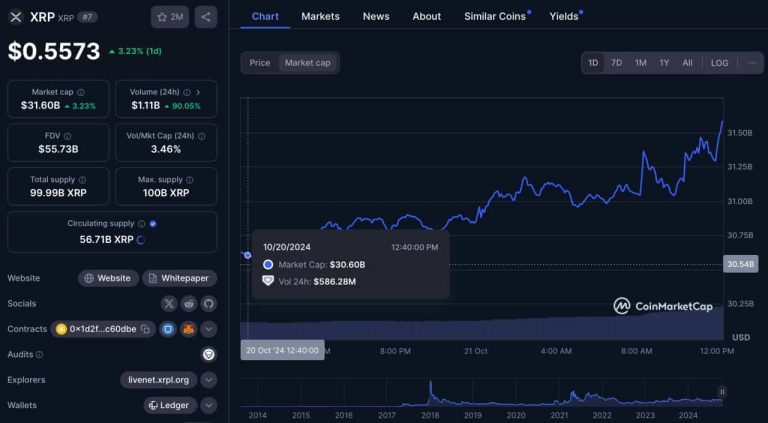
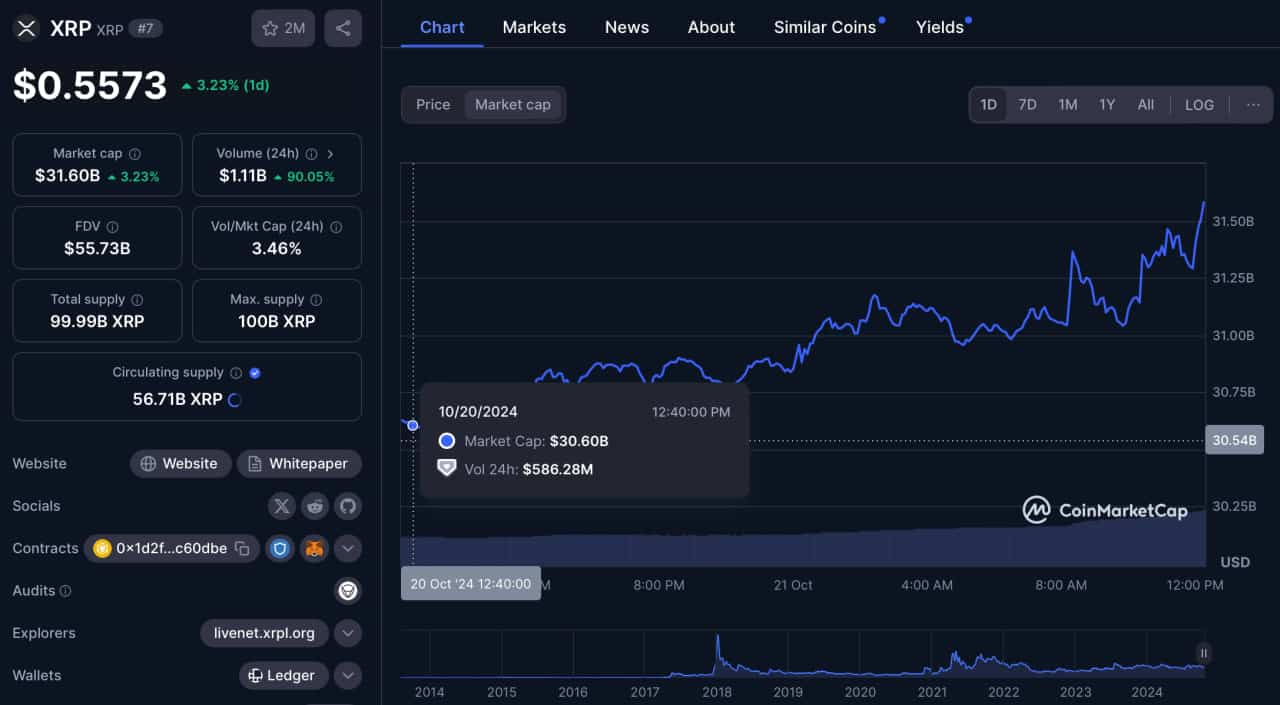
XRP adds  billion after Elon Musk mentions the token

XRP, a digital asset created by Ripple Labs, plays a significant role in the financial ecosystem by facilitating cross-border payments and enhancing liquidity. As a cryptocurrency that aims to improve the efficiency of money transfers, XRP has garnered attention from investors and financial institutions alike. Understanding the company value of XRP is crucial in the cryptocurrency sector, as it reflects not only the asset’s market performance but also its potential for growth and adoption in an evolving financial landscape.Several factors influence XRP’s market valuation, including its technological capabilities, partnerships with financial institutions, regulatory developments, and overall market sentiment.

These elements create a dynamic environment that contributes to the fluctuations and trends seen in XRP’s valuation over time.

Historical Performance of XRP

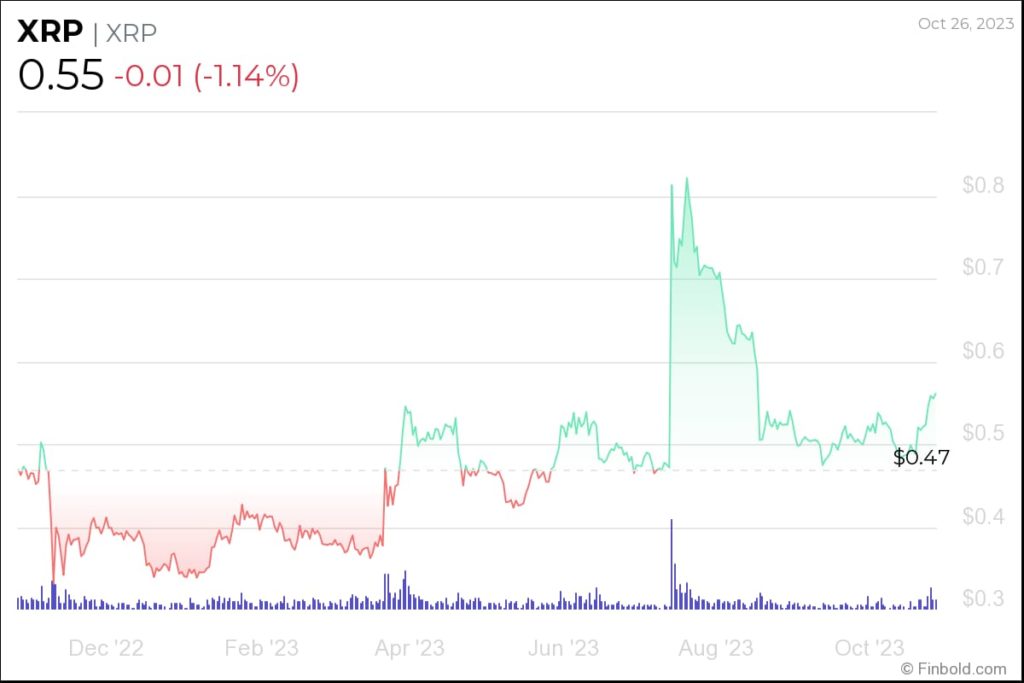
Over the years, XRP has experienced notable price trends characterized by rapid growth and significant downturns. Initially launched in 2012, XRP saw its value soar in late 2017, reaching an all-time high of nearly $3.84. However, this surge was followed by a considerable decline, with various market events impacting its valuation.Key milestones that have shaped XRP’s historical performance include:

  • The launch of the RippleNet payment platform, which increased XRP’s utility.
  • Major partnerships with financial institutions, such as American Express and Santander.
  • Legal challenges, particularly the lawsuit filed by the SEC in late 2020, which resulted in price volatility.

These events, among others, highlight the critical moments that have influenced XRP’s value in the market.

Current Market Position

As of now, XRP holds a prominent position among cryptocurrencies, often ranking within the top ten by market capitalization. This status reflects its wide acceptance and use in various financial applications, positioning it as a competitor to other major digital assets like Bitcoin and Ethereum.In comparison to its competitors, XRP’s value is influenced by several recent developments, including:

  • Strategic partnerships that enhance its adoption in the global payment sector.
  • Innovative financial solutions that leverage XRP for faster and cheaper transactions.
  • Recent promotional campaigns aimed at increasing awareness and use of XRP.

These efforts are critical in maintaining XRP’s competitive edge in the digital asset space.

Regulatory Impact on XRP Value

Regulatory changes have significantly impacted XRP’s valuation, with the cryptocurrency facing scrutiny from various governmental bodies. The SEC’s lawsuit against Ripple Labs, which alleges that XRP is a security, has created uncertainty in the market and led to fluctuations in its price.Examples of legal challenges include:

  • The ongoing SEC lawsuit, which has raised concerns about compliance and the future of XRP.
  • Responses from other regulatory bodies globally, influencing XRP’s acceptance in various jurisdictions.

Compliance with regulations is vital for the future stability and growth of XRP’s value, as favorable rulings could enhance investor confidence and market acceptance.

Technological Innovations and Their Influence

XRP and its parent company, Ripple, are at the forefront of technological advancements that enhance the utility of digital currencies. Innovations such as the On-Demand Liquidity (ODL) service utilize XRP to eliminate pre-funding in cross-border transactions, thus improving liquidity.These technological innovations contribute to the overall value of the company by:

  • Streamlining payment processes for financial institutions and businesses.
  • Reducing transaction costs and times, making XRP a competitive alternative to traditional banking methods.
  • Encouraging the adoption of blockchain technology in mainstream finance.

Future developments, such as potential upgrades to the XRP Ledger, may further impact its valuation positively.

Investor Sentiment and Market Psychology

How many XRP do you need to be a millionaire?

Investor sentiment plays a crucial role in influencing XRP’s market value. Market psychology can lead to significant fluctuations, often driven by news, social media, and broader economic trends. The importance of media coverage cannot be overlooked, as positive or negative narratives shape public perception and investor behavior.Strategies for investors to gauge market sentiment related to XRP include:

  • Monitoring social media platforms and community discussions to assess overall sentiment.
  • Analyzing market trends and price movements in response to news updates.
  • Utilizing sentiment analysis tools to predict potential market shifts.

Understanding these dynamics can help investors make informed decisions regarding XRP.

Future Projections for XRP Value

Future projections for XRP’s value are subject to various market conditions and trends. Analysts predict a potential upswing in XRP’s valuation, contingent on regulatory clarity and increased adoption among financial institutions.Emerging market conditions that may affect XRP’s valuation include:

  • The global shift towards digital currencies and blockchain technology.
  • Changes in regulatory frameworks that could provide a more favorable environment for XRP.
  • Increased competition from other cryptocurrencies and financial technologies.

These factors present both challenges and opportunities, shaping the landscape for XRP’s future growth.

Case Studies of XRP’s Impact

Several businesses have successfully utilized XRP to enhance their operations and financial transactions. For instance, companies leveraging RippleNet’s ODL have reported significant improvements in transaction efficiency and cost savings.Measurable impacts of XRP on these businesses include:

  • Reduction in transaction times from several days to mere seconds.
  • Lower costs associated with cross-border payments, translating into better profit margins.
  • Greater access to international markets, expanding business opportunities.

These case studies illustrate the broader implications for industries adopting XRP technology, highlighting its potential to revolutionize payment systems globally.

Outcome Summary

In summary, understanding the xrp company value encompasses more than just its price on the market; it involves delving into its technological innovations, regulatory challenges, and investor sentiment. As we look ahead, the future of XRP presents both exciting opportunities and potential hurdles that could shape its value in the evolving landscape of digital assets.

FAQ Summary

What is XRP and how does it work?

XRP is a digital currency created by Ripple that enables fast and low-cost international money transfers, functioning on a decentralized blockchain network.

What influences XRP’s market value?

XRP’s market value is influenced by factors such as supply and demand dynamics, regulatory news, technological advancements, and overall market sentiment.

How does XRP compare to Bitcoin and Ethereum?

While Bitcoin is often viewed as digital gold and Ethereum focuses on smart contracts, XRP specializes in facilitating cross-border payments, making it unique in its purpose.

Are there any major partnerships that boost XRP’s value?

Yes, Ripple has formed partnerships with financial institutions and payment providers globally, which enhances XRP’s credibility and utility in the financial sector.

What are the risks associated with investing in XRP?

Investing in XRP carries risks such as regulatory uncertainty, market volatility, and the potential for technological challenges that could impact its adoption and use.

London is rapidly transforming into a global hub for cryptocurrency companies, offering a vibrant ecosystem for innovation and investment. The city’s unique blend of financial expertise, technological advancement, and regulatory evolution is attracting a diverse range of players looking to capitalize on the digital currency boom.

With major firms and innovative startups alike diving into the world of digital currencies, London stands at the forefront of a financial revolution that is reshaping how we perceive and use money. As we explore the landscape of cryptocurrency companies in London, we will uncover the dynamics of the market, the notable startups emerging from this metropolis, and the regulatory challenges they face.

Overview of Cryptocurrency Companies in London

The cryptocurrency landscape in London is vibrant and rapidly evolving, making it a significant hub for blockchain technology and digital currency. With a rich mix of established firms and innovative startups, London has positioned itself as a key player in the global cryptocurrency market. This thriving ecosystem is supported by a diverse talent pool and robust financial services infrastructure.London is home to several major players in the cryptocurrency sector, including well-known exchanges and blockchain technology companies.

Prominent firms like Binance, Bitstamp, and Blockchain.com have set up operations in the city, leveraging the local expertise and regulatory environment to offer services to a growing clientele. The regulatory framework in the UK, while still developing, provides a level of clarity for businesses operating in this space, encouraging innovation while ensuring consumer protection.

Notable Cryptocurrency Startups in London

London’s startup scene is bustling with innovative companies that are pushing the boundaries of what cryptocurrency can achieve. These startups are not only contributing to the local economy but also shaping the future of financial technology.

  • Revolut: A financial technology company that offers cryptocurrency trading alongside traditional banking services, allowing users to buy, sell, and hold various cryptocurrencies.
  • Bitpanda: This platform offers a wide range of cryptocurrencies for trading and has gained traction for its user-friendly interface.
  • Elliptic: A blockchain analytics firm that helps businesses manage risk and comply with regulations by tracking cryptocurrency transactions.
  • Chainalysis: A leader in blockchain data analysis, providing insights into cryptocurrency transactions that help in compliance and investigation.

These startups are embracing innovative business models, such as subscription-based services and advanced analytics, to attract investment. Many have successfully completed funding rounds, tapping into venture capital and private equity to fuel their growth. Trends indicate a strong interest in investing in crypto-related ventures, reflecting a broader acceptance of digital currencies.

Blockchain Technology Adoption by Companies

The integration of blockchain technology by London-based companies is transforming various industries. Many organizations are experimenting with this technology to enhance transparency, efficiency, and security in their operations.In finance, blockchain is being used to streamline cross-border payments, reducing transaction times and costs. Supply chain companies are leveraging blockchain for tracking products, ensuring authenticity, and improving inventory management. In healthcare, blockchain is being explored for secure patient data management and streamlining processes.Partnerships between traditional businesses and cryptocurrency firms are increasingly common.

For instance, major banks are collaborating with blockchain startups to develop innovative payment solutions that utilize digital currencies, showcasing the potential for synergy between established financial institutions and emerging tech companies.

Market Trends and Consumer Adoption

Current trends in cryptocurrency adoption among London residents indicate a growing interest in digital currencies, driven by factors such as increased media coverage and a desire for alternative investment opportunities. The younger demographic, in particular, is more inclined to explore cryptocurrencies as part of their investment strategy.Several factors are influencing this trend, including the rise of decentralized finance (DeFi) platforms, which offer users a wide range of financial services without the need for traditional banks.

The increasing acceptance of cryptocurrencies for everyday transactions is further solidifying consumer interest.

Statistic Value
Percentage of London residents owning cryptocurrency 15%
Average transaction volume per month £200 million
Number of cryptocurrency wallets in London 2 million

Regulatory Challenges and Compliance

Cryptocurrency companies operating in London face several regulatory hurdles that affect their operations. The constantly evolving regulatory landscape can pose challenges, particularly concerning compliance with anti-money laundering (AML) and know your customer (KYC) regulations.To navigate these hurdles, companies must implement comprehensive compliance measures, such as robust identity verification processes and transaction monitoring systems. Successful examples include firms that have developed state-of-the-art compliance frameworks, allowing them to operate smoothly while adhering to regulatory mandates.

Impact of Cryptocurrency on London’s Economy

Cryptocurrency companies are making significant economic contributions to London’s economy. They are not only driving innovation but also creating jobs across various sectors, from technology to finance.The cryptocurrency sector has led to the creation of thousands of jobs, with skilled professionals in demand for roles in software development, compliance, and financial analysis. Additionally, many cryptocurrency firms are engaging with the local community through initiatives that support financial literacy and technology education.

Future Outlook for Cryptocurrency Companies

Free illustration: Bitcoin, Btc, Cryptocurrency - Free Image on Pixabay ...

The future of cryptocurrency companies in London appears promising, with expectations for continued growth and innovation. As technology evolves and regulatory frameworks stabilize, there could be a surge in new products and services tailored to meet consumer needs.Potential innovations may include advancements in smart contracts, enhanced privacy features, and new decentralized applications that could revolutionize various sectors. Global trends, such as the increasing acceptance of digital currencies by mainstream financial institutions, will further influence London’s cryptocurrency landscape, positioning it as a cornerstone of the global digital economy.

Conclusive Thoughts

Free stock photo of bitcoin, cryptocurrency, exchange

In conclusion, cryptocurrency companies in London are not just a passing trend; they are an integral part of the city’s economic fabric and future. As these companies continue to innovate and navigate the complex regulatory environment, their impact on the economy and technology landscape will only grow, paving the way for new opportunities and advancements in the financial sector.

General Inquiries

What are the major cryptocurrency companies in London?

Some major players include Blockchain.com, Bitstamp, and Crypto.com, among others.

How is the regulatory environment for cryptocurrency in London?

The regulatory landscape is evolving, with the Financial Conduct Authority (FCA) closely monitoring compliance and implementing guidelines for cryptocurrency businesses.

What types of blockchain applications are being developed in London?

London companies are utilizing blockchain in finance, supply chain management, and healthcare to enhance transparency and efficiency.

Are there any community initiatives related to cryptocurrency in London?

Yes, many companies are involved in local initiatives, such as financial literacy programs and supporting tech education in underserved communities.

What is the future outlook for cryptocurrency companies in London?

The future looks promising, with expectations of continued growth, innovation, and greater integration of cryptocurrencies into everyday financial transactions.

Bitcoin meaning nepali opens a door to the intriguing world of cryptocurrency, a term that has become synonymous with a financial revolution. As we delve into the basics of Bitcoin and its significance globally, it’s essential to understand how this digital currency began, its creator, and the potential it holds within Nepal’s evolving economy.

In this exploration, we will shed light on the technology behind Bitcoin, including blockchain, and discuss its current and future implications in the Nepali context, making it accessible and relevant to readers aiming to grasp this dynamic subject.

Introduction to Bitcoin in Nepali Context

Bitcoin, a digital currency that operates on a decentralized network, has emerged as a revolutionary force in the global financial landscape. In Nepal, the introduction of Bitcoin presents both opportunities and challenges, as it navigates through a complex economic environment. The inception of Bitcoin traces back to 2009, created by an anonymous entity known as Satoshi Nakamoto. This digital currency was designed to facilitate peer-to-peer transactions without the need for intermediaries, making it a significant milestone in the evolution of money.The relevance of Bitcoin in Nepal’s economy is growing, especially as the country seeks to modernize its financial systems.

With a large segment of the population still unbanked, Bitcoin offers an alternative means for individuals to engage in financial activities. Moreover, the potential impact on local financial systems could reshape how transactions are conducted, fostering economic participation and innovation.

Understanding Bitcoin Technology

The technology behind Bitcoin is primarily based on blockchain, a decentralized ledger that records all transactions across a network of computers. This innovation ensures transparency and security, as each transaction is verified by network participants known as miners. The process of verifying transactions involves complex cryptographic puzzles that miners solve to add new blocks to the blockchain.Bitcoin transactions are recorded in a public ledger, which enhances accountability.

Each transaction is confirmed through a consensus mechanism, thereby preventing double-spending. Additionally, Bitcoin employs several security measures to protect users’ wallets and transactions, including encryption and private keys that grant access to one’s holdings.

The Adoption of Bitcoin in Nepal

Currently, Bitcoin adoption in Nepal is steadily increasing among both individuals and businesses. Various platforms have emerged to facilitate Bitcoin transactions, enabling users to buy, sell, and trade the cryptocurrency with relative ease. Notable examples include local exchanges that allow users to convert Nepali Rupees to Bitcoin seamlessly.However, users in Nepal face several challenges when adopting Bitcoin. These include a lack of awareness, volatility in Bitcoin prices, and regulatory uncertainties that may deter businesses from fully embracing cryptocurrency.

Overcoming these hurdles is essential for fostering a vibrant Bitcoin ecosystem in the country.

Legal and Regulatory Framework

The legal status of Bitcoin and cryptocurrencies in Nepal remains somewhat ambiguous. The Nepal Rastra Bank (NRB) has taken a cautious approach towards regulating digital currencies, issuing warnings against their use due to concerns about potential fraud and money laundering. As a result, Bitcoin operates in a gray area, where its use is not explicitly prohibited, yet lacks formal recognition.In comparison to neighboring countries, Nepal’s regulatory framework for Bitcoin is relatively strict.

While countries like India and Bhutan are exploring regulatory measures to integrate cryptocurrencies into their financial systems, Nepal continues to maintain a more conservative stance.

Economic Implications of Bitcoin

The potential economic benefits of Bitcoin for Nepali citizens and entrepreneurs are significant. Bitcoin provides an opportunity for financial inclusion, particularly for those who lack access to traditional banking services. It can also facilitate international remittances, which are a crucial source of income for many Nepalis working abroad.However, Bitcoin adoption also comes with risks and drawbacks, such as price volatility and the potential for misuse in illegal activities.

Stakeholders must approach Bitcoin from an economic perspective, balancing the innovation it brings with necessary safeguards to protect users and the economy as a whole.

Future Trends and Predictions

The future of Bitcoin in Nepal appears promising, with potential growth areas including increased merchant adoption and the emergence of innovative financial products based on cryptocurrencies. As the global landscape shifts towards digital currencies, Nepal could benefit from aligning its regulatory framework to support this transition.Emerging trends in the cryptocurrency space, such as decentralized finance (DeFi) and non-fungible tokens (NFTs), may also influence the Nepali market.

Technology and innovation will play a crucial role in shaping the future of Bitcoin transactions, offering new avenues for economic development.

Educational Resources about Bitcoin

To foster understanding and awareness of Bitcoin in Nepal, several educational resources and platforms are available. These resources include online courses, webinars, and workshops designed to impart knowledge about cryptocurrencies and their implications.Additionally, local seminars hosted by financial institutions and tech communities provide opportunities for the public to engage with experts and learn about the practical aspects of Bitcoin. Promoting financial literacy in relation to Bitcoin and cryptocurrencies is essential for empowering Nepal’s population to navigate this evolving digital landscape.

Closing Summary

In conclusion, understanding bitcoin meaning nepali provides valuable insights into the opportunities and challenges presented by this cryptocurrency. As more individuals and businesses in Nepal explore Bitcoin, the landscape continues to evolve, promising a future filled with innovation and potential that could transform the financial framework in the region.

FAQ Summary

What is Bitcoin?

Bitcoin is a digital currency created in 2009 that operates on a decentralized network using blockchain technology.

How does Bitcoin work?

Bitcoin works through a peer-to-peer network where transactions are verified by network nodes and recorded on a public ledger called the blockchain.

Is Bitcoin legal in Nepal?

The legal status of Bitcoin in Nepal is complex; while the Nepal Rastra Bank has issued warnings against its use, there is ongoing debate regarding its regulation.

Can I use Bitcoin in Nepal?

Yes, you can use Bitcoin in Nepal through various platforms that accept cryptocurrency, although challenges remain regarding regulation and acceptance.

What are the risks of investing in Bitcoin?

Potential risks include market volatility, regulatory changes, and the security of wallets and exchanges.