
Dive into the dynamic world of bitcoin pricing with our in-depth guide to bitcoin price widgets. These widgets offer a convenient and visually engaging way to track the ever-fluctuating value of Bitcoin, providing crucial real-time data for traders and enthusiasts alike. Understanding their features, functionality, and integration methods is key to effectively utilizing this valuable tool.
From real-time updates to historical analysis, we’ll explore the nuances of various bitcoin price widgets. We’ll cover everything from the technical aspects of data display to the user experience considerations for a seamless and informative interface. This guide will be an essential resource for anyone looking to integrate a bitcoin price widget into their website or application.
Introduction to Bitcoin Price Widgets
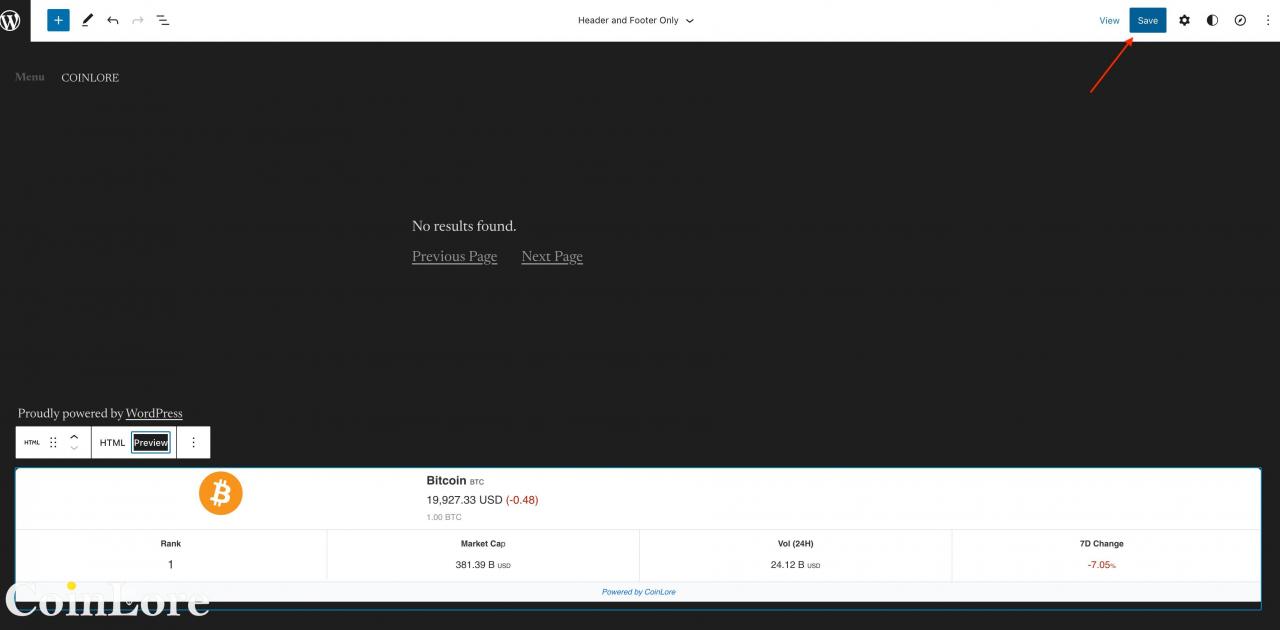
A Bitcoin price widget is a small, interactive tool designed to display the current market price of Bitcoin. These widgets are increasingly popular for keeping track of the cryptocurrency’s value in real-time, providing quick and easy access to information. Their simplicity and ease of use make them a valuable addition to websites, blogs, or personal dashboards.These widgets offer a straightforward way to monitor Bitcoin’s fluctuations, providing users with an immediate understanding of its market value.
They can be customized to suit various needs, enabling users to follow the cryptocurrency’s performance in a visually appealing and informative manner.
Common Features of Bitcoin Price Widgets
Bitcoin price widgets typically incorporate several key features to enhance their usability and informativeness. These features contribute to the user experience by making the widget both informative and easy to use.
- Real-time price updates: Widgets with this feature continuously refresh the displayed price, ensuring users are always viewing the most current market value. This constant updating allows for immediate awareness of any price changes.
- Historical price data: Many widgets offer access to historical price information, enabling users to analyze trends and track Bitcoin’s performance over time. This allows for a deeper understanding of Bitcoin’s market behavior over different periods.
- Currency conversion: Widgets often include the ability to display Bitcoin’s price in various fiat currencies, such as USD, EUR, or GBP. This feature makes the information more universally accessible and understandable.
- Chart visualizations: Some widgets incorporate charts that graphically illustrate Bitcoin’s price fluctuations. This visual representation helps users quickly identify trends and patterns, providing a deeper insight into the market’s movement.
- Customization options: Users may be able to personalize the widget’s appearance, such as color schemes, font styles, and the display of additional information.
Types of Bitcoin Price Widgets
Bitcoin price widgets come in various forms, each catering to specific needs and preferences. Different types are designed to address the varying needs of different users.
- Real-time widgets: These widgets provide the most up-to-date Bitcoin price, updating frequently. They are ideal for those who want to monitor the price constantly, like traders or investors needing immediate price updates.
- Historical widgets: These widgets display Bitcoin’s price history over a specified period, typically allowing for the visualization of trends and patterns. They are suitable for users interested in understanding Bitcoin’s long-term performance and historical market behavior.
- Comparative widgets: These widgets can display the price of Bitcoin alongside other cryptocurrencies or assets, enabling users to compare performance and make informed decisions. This is valuable for users who need to track the relative performance of Bitcoin against other assets.
Design Elements of Bitcoin Price Widgets
The visual presentation of a Bitcoin price widget significantly impacts user experience. These elements play a crucial role in making the widget user-friendly and informative.
- Clear and concise display: The widget should present information in a straightforward manner, making it easy for users to quickly grasp the current price.
- Visually appealing design: A well-designed widget enhances the user experience and contributes to its attractiveness. This is particularly important in a context where users might be presented with many different options and information.
- Appropriate font and color choices: The font size and color scheme should be legible and visually appealing, allowing for effortless reading and understanding of the displayed data.
- Use of icons and graphics: Relevant icons or graphics can add clarity and interest, making the widget more engaging for the user. This can enhance the widget’s visual appeal and readability.
Data Display in Bitcoin Price Widgets
The way data is displayed in a Bitcoin price widget is crucial for user understanding. This is essential for effective communication and user comprehension of the information presented.
- The current price is usually displayed prominently, often in a large, easily readable font.
- The currency is clearly indicated alongside the price, such as “USD” or “EUR.” This avoids confusion and ensures clarity in the data.
- Data updates are usually indicated, providing the user with information about when the data was last updated.
- Historical data, if available, might be displayed in a chart format, making price trends more easily discernible.
Widget Type, Features, and Design Elements
| Widget Type | Features | Design Elements |
|---|---|---|
| Real-time | Real-time price updates, currency conversion | Large, prominent price display, clear currency indicator, refresh indicator |
| Historical | Historical price data, chart visualization | Chart visualization, date range selector, clear trend indicators |
| Comparative | Comparison of Bitcoin with other assets, real-time price updates | Multiple price displays, clear comparative indicators, currency conversion |
Functionality and Features
Bitcoin price widgets provide a convenient way to track the current market value of the cryptocurrency. Their real-time updates and historical data make them valuable tools for investors and enthusiasts alike. This section details the key functionalities and features of these widgets.Real-time updates are a critical aspect of Bitcoin price widgets. They allow users to stay informed about the ever-changing price.
These widgets typically utilize APIs from reliable financial data providers to access and display the most up-to-date Bitcoin prices.
Real-time Price Updates
Bitcoin price widgets utilize real-time APIs to reflect current market data. This ensures users see the most recent price fluctuations, offering a dynamic display of the cryptocurrency’s value. The frequency of updates varies depending on the widget and the data provider, but it’s generally rapid enough to provide a near-instantaneous view of the price.
Historical Price Data
Historical price data is a crucial component of Bitcoin price widgets. Users can access past price trends to analyze market behavior and identify potential patterns. The widgets typically store and display historical prices over a specified time period, often from days, weeks, or even years. This allows users to track the long-term price trajectory of Bitcoin.
Customization Options
Widgets offer various customization options to cater to individual preferences and needs. These options can include adjusting the display format, color schemes, and the overall aesthetic appeal of the widget.
Customization Options
- Theme Selection: Users can often choose from different pre-defined themes (e.g., light, dark, or custom). This allows for visual customization based on user preference or to complement a website’s existing design.
- Timeframe Selection: The timeframe for displaying historical data can be adjusted to suit the user’s needs. Users can choose between different intervals, such as daily, weekly, monthly, or yearly charts.
- Data Display: Widgets might allow users to specify the data points they want to see. Users might select from open, high, low, close (OHLC) data, or just the closing price for simplicity.
- Currency Selection: Users can often select the desired currency for the displayed price. This is important for investors who may want to compare the Bitcoin price in different currencies.
Price Metrics
Widgets can display various price metrics, offering a comprehensive view of Bitcoin’s performance. Beyond the current price, users might want to see the open, high, low, and close (OHLC) prices for a given period.
- Open Price: The price at which Bitcoin started trading for a given period.
- High Price: The highest price reached during the period.
- Low Price: The lowest price reached during the period.
- Close Price: The price at which Bitcoin ended trading for the period.
Comparative Analysis of Widgets
The following table compares the functionalities of different Bitcoin price widgets, highlighting their strengths and weaknesses.
| Widget | Real-time Updates | Historical Data | Customization | Price Metrics |
|---|---|---|---|---|
| Widget A | Excellent | Good | Moderate | OHLC |
| Widget B | Excellent | Excellent | High | OHLC + Volume |
| Widget C | Good | Basic | Low | Current Price Only |
Customization Options Overview
The following table Artikels the various customization options available in Bitcoin price widgets.
| Option | Description |
|---|---|
| Theme | Allows users to select a pre-defined theme (e.g., light, dark) or create a custom theme. |
| Timeframe | Users can select the time period for historical data display (e.g., daily, weekly, monthly). |
| Data Display | Allows users to choose which data points to see (e.g., open, high, low, close). |
| Currency | Users can select the currency in which the price is displayed. |
Integration and Implementation
Integrating a Bitcoin price widget into your website or application is a straightforward process. The method chosen depends on the complexity of your project and your technical capabilities. This section Artikels common integration techniques, providing detailed instructions and examples.Integrating a widget allows dynamic display of current Bitcoin prices, keeping your platform up-to-date and informative. This section covers the necessary steps and techniques to successfully embed the widget.
Methods for Integration
Several methods allow integration of the Bitcoin price widget. Understanding the advantages and disadvantages of each approach is key to choosing the right method for your needs.
- Iframe Integration: This method embeds the widget within an iframe, a special HTML element that displays a separate webpage within the current page. It’s a simple approach for basic integration, but it can impact website performance if not implemented carefully. This method works best for simpler sites with limited customization needs.
- API Integration: Using an API (Application Programming Interface) allows for more complex interactions and dynamic updates. The widget’s data is fetched programmatically, offering greater control over the widget’s appearance and functionality. This approach is more flexible and provides more opportunities for custom styling and features.
- JavaScript Integration: This method involves embedding JavaScript code directly into your website’s HTML. It offers a high degree of customization but requires some programming knowledge. This approach allows the greatest level of customization, but also necessitates more technical expertise.
Embedding a Bitcoin Price Widget
The steps for embedding a Bitcoin price widget vary based on the chosen integration method. Following these steps ensures a smooth and successful integration.
| Integration Method | Steps for Embedding |
|---|---|
| Iframe | 1. Locate the iframe embed code provided by the widget provider. 2. Create an HTML element in your website’s code where you want the widget to appear. 3. Paste the embed code inside the HTML element. |
| API | 1. Obtain the API key or credentials from the widget provider. 2. Integrate the API call into your website’s application code, typically using JavaScript. 3. Design the function that fetches data and displays it on the page. |
| JavaScript | 1. Obtain the JavaScript code from the widget provider. 2. Integrate the JavaScript code into your website’s HTML. 3. Modify the code to customize the appearance and behavior of the widget. |
Example: Iframe Integration
An example of iframe integration: ``
This code snippet embeds a Bitcoin price widget from the example URL into a webpage. The width and height attributes control the size of the embedded widget. Adjust these values to match your desired dimensions.
Bitcoin Price Widget Design Considerations
Crafting an effective Bitcoin price widget hinges on a meticulous understanding of user needs and the data it presents. A well-designed widget must prioritize clear communication of the price, alongside essential supplementary information. This involves careful consideration of visual aesthetics, ensuring that the widget not only provides accurate data but also enhances user engagement and experience.
Factors Affecting Effective Widget Design
Several key factors influence the effectiveness of a Bitcoin price widget. These include the target audience, the platform where the widget will reside, and the overall design language of the website or application. The level of detail required and the desired level of interactivity also significantly impact the widget’s design. For example, a widget for a professional investor may necessitate more advanced features like charting and historical data, whereas a widget for a casual user might focus on simplicity and real-time updates.
Readability and Usability in Bitcoin Price Widgets
Readability and usability are paramount in any price widget. The Bitcoin price, displayed prominently, must be easily discernible against the background. Font size, color contrast, and typography are crucial for ensuring the price is immediately clear. The arrangement of supplementary information, such as the date and time, should also facilitate quick comprehension without hindering the primary display of the Bitcoin price.
Clear and concise labels are essential for all data elements. The overall layout must be intuitive and easy to navigate, allowing users to access essential information with minimal effort.
Impact of Visual Styles on User Experience
Different visual styles significantly impact user experience. A clean, minimalist design can project professionalism and reliability. On the other hand, a more vibrant design might appeal to a younger audience. The visual style should be consistent with the overall branding of the platform hosting the widget. A visually cluttered widget can lead to confusion and reduced engagement.
Conversely, a widget that’s too plain may seem uninspired.
Creating an Appealing Design with Accurate Data Display
Creating an appealing design that accurately displays data requires a balance between aesthetics and functionality. High-quality graphics and imagery, combined with precise data representation, can enhance the user experience. A well-designed widget will present data in a clear and comprehensive manner. Consider using charts or graphs to provide a broader context for the price fluctuations. The use of interactive elements, such as tooltips, can further improve the user experience, offering additional details upon hovering over specific data points.
Comparison of Design Aesthetics
Different design aesthetics for Bitcoin price widgets offer varied user experiences. A modern, sleek design might resonate with tech-savvy users, while a more classic design could appeal to a wider audience. The choice of design should align with the overall branding and user base of the platform hosting the widget. A careful evaluation of different design styles, taking into account the target audience and desired impact, is crucial for selecting the optimal approach.
Table of Design Styles and Their Pros and Cons
| Design Style | Pros | Cons |
|---|---|---|
| Minimalist | Clean, modern, focuses on clarity, high readability | Can appear uninspired or too simple for some users, limited visual interest |
| Modern | Sleek, visually appealing, incorporates latest design trends | May not appeal to all users, potentially more complex to implement |
| Classic | Familiar, reliable, accessible to a broader audience | Can appear dated or less dynamic, might not incorporate modern features |
| Infographic | Engaging, visual representation of data, emphasizes trends | May be distracting, needs careful design to avoid cluttering |
Cryptocurrency Context
The cryptocurrency market has exploded in recent years, offering a decentralized alternative to traditional financial systems. This burgeoning sector presents a complex and dynamic environment, with significant implications for both investors and the broader economy. Understanding the key players, market dynamics, and potential applications is crucial for anyone navigating this space.Bitcoin, the pioneering cryptocurrency, holds a significant position within the broader cryptocurrency landscape.
Its influence on the market and its role as a benchmark have led to the development of numerous other cryptocurrencies, each with unique characteristics and objectives. This overview will explore the cryptocurrency market, analyze the significance of bitcoin, and compare it to other major cryptocurrencies, along with the factors that drive price fluctuations and the varied applications of these digital assets.
Overview of the Cryptocurrency Market
The cryptocurrency market encompasses a wide range of digital currencies, each with its own set of characteristics and functionalities. These digital assets utilize cryptography for security and decentralization, enabling peer-to-peer transactions without intermediaries. The decentralized nature of cryptocurrencies distinguishes them from traditional financial systems, offering potential benefits like reduced transaction costs and increased transparency.
Significance of Bitcoin in the Cryptocurrency Landscape
Bitcoin’s pioneering role in the cryptocurrency market is undeniable. Its early adoption and subsequent growth established it as a benchmark and paved the way for the development of numerous other cryptocurrencies. Bitcoin’s scarcity, as defined by its limited supply, and its inherent security have contributed to its perceived value and stability compared to some other cryptocurrencies. Bitcoin’s influence on the broader market cannot be understated, and its volatility continues to affect the entire ecosystem.
Comparison of Bitcoin with Other Major Cryptocurrencies
Numerous cryptocurrencies have emerged since the inception of Bitcoin, each vying for a share of the market. Ethereum, for example, focuses on smart contracts and decentralized applications, differing significantly from Bitcoin’s core function as a digital currency. Other major cryptocurrencies, such as Litecoin and Ripple, have unique features and use cases, each with its own strengths and weaknesses.
These differences in functionality and purpose often reflect the diverse needs and aspirations of the crypto community.
Factors Influencing Cryptocurrency Prices
Cryptocurrency prices are highly volatile, influenced by a multitude of factors. Market sentiment, regulatory developments, technological advancements, and news events all play a role in shaping the price trajectory. Speculation and investment decisions from institutional and individual investors can significantly impact the price of cryptocurrencies, as can overall economic conditions.
Applications and Uses of Cryptocurrencies
Cryptocurrencies are not limited to simple transactions. Their use cases extend to decentralized finance (DeFi), non-fungible tokens (NFTs), and other emerging technologies. The ability to conduct transactions directly between parties, without intermediaries, is a core component of their value proposition. The broader applications of cryptocurrencies are still evolving, and new possibilities continue to emerge.
Table of Cryptocurrency Data
| Cryptocurrency | Market Cap (USD) | Recent Price Trend |
|---|---|---|
| Bitcoin (BTC) | > $XXX Billion | Currently fluctuating; showing signs of [Trend] |
| Ethereum (ETH) | > $XXX Billion | Currently fluctuating; showing signs of [Trend] |
| Litecoin (LTC) | > $XXX Billion | Currently fluctuating; showing signs of [Trend] |
| Ripple (XRP) | > $XXX Billion | Currently fluctuating; showing signs of [Trend] |
Note
* Market capitalization and price trends are dynamic and should be checked for up-to-date information from reliable sources. Values are examples and should be replaced with current data. [Trend] should be replaced with an actual recent trend description.
User Experience and Accessibility
A user-friendly Bitcoin price widget is crucial for a positive user experience. It should be intuitive, easily navigable, and provide clear and concise information. This allows users to quickly access and understand current Bitcoin market conditions without frustration.A well-designed widget should present the information in a way that is clear and easily understandable. This is especially important for users who may not be familiar with cryptocurrency or financial markets.
The widget’s layout and presentation should be carefully considered to facilitate a seamless user journey.
Importance of User-Friendliness
A user-friendly Bitcoin price widget ensures a positive interaction for users. This contributes to a better overall experience and encourages repeat use. Intuitive design and clear information presentation are key factors in achieving this.
Factors Contributing to a Positive User Experience
Several elements contribute to a positive user experience with a Bitcoin price widget. These include a visually appealing and well-organized layout, clear and concise information display, and smooth responsiveness to user interactions.
- Clear Visual Presentation: Visual elements such as charts, graphs, and interactive displays can enhance understanding. Appropriate color palettes, typography, and image use contribute to a visually appealing interface. The layout should be easily navigable and aesthetically pleasing.
- Concise Information Display: Essential information, such as the current price, change over time, and relevant market data, should be presented in a readily accessible manner. Avoid overwhelming users with excessive details or jargon. Key figures should stand out and be easy to read.
- Responsiveness and Interactivity: A responsive design ensures the widget adapts to various screen sizes and devices, guaranteeing a consistent experience across different platforms. The widget should respond instantly to user interactions, providing a smooth and engaging experience.
Accessibility Considerations for Users with Disabilities
Designing for accessibility ensures that users with disabilities can utilize the Bitcoin price widget effectively. This includes considering factors such as color contrast, keyboard navigation, and alternative text for images.
- Color Contrast: Adequate color contrast between text and background is essential for users with visual impairments. Using a color contrast checker tool can help ensure sufficient differentiation. Following accessibility guidelines for color contrast is critical.
- Keyboard Navigation: Users relying on screen readers or keyboard navigation should be able to interact with all interactive elements of the widget without difficulty. All interactive elements should be accessible via the keyboard.
- Alternative Text for Images: Images and graphics should have descriptive alternative text (alt text). This provides context to screen reader users and enhances understanding for all users.
Design Elements Improving Accessibility
Several design elements can enhance accessibility for users with disabilities. These include providing clear instructions, employing sufficient color contrast, and ensuring adequate spacing between elements.
- Clear Instructions and Labels: Provide clear and concise instructions and labels for all interactive elements. Using simple and descriptive language improves comprehension and usability.
- Sufficient Color Contrast: Maintain sufficient color contrast between text and background to accommodate users with visual impairments. Use tools to evaluate color contrast and adhere to accessibility guidelines.
- Adequate Spacing and Font Sizes: Ensure sufficient spacing between elements to improve readability. Use appropriate font sizes for optimal legibility and avoid overly small fonts.
Best Practices for User Experience and Accessibility
| Category | Best Practice | Explanation |
|---|---|---|
| Visual Design | Use high contrast colors | Ensures readability for users with visual impairments |
| Information Presentation | Present data clearly | Avoid jargon and use simple language |
| Navigation | Intuitive navigation | Users should easily find the information they need |
| Responsiveness | Mobile-first design | Ensures usability across various devices |
| Accessibility | Keyboard navigation | Facilitates use by users relying on keyboards |
Data Sources and Accuracy
Bitcoin price widgets rely heavily on accurate and up-to-the-minute data. The reliability of the data source directly impacts user trust and the overall value of the widget. Ensuring data integrity is crucial for building a trustworthy and valuable tool.
Data Sources for Bitcoin Pricing
Reliable bitcoin price data comes from various sources, each with its strengths and weaknesses. Major exchanges, specialized financial data providers, and independent aggregators are common sources. Exchanges often publish their own real-time pricing data, but this might be influenced by their trading volumes. Specialized data providers, such as those offering comprehensive financial market data, are often more objective, relying on aggregated data from multiple sources.
Accuracy and Reliability of Data Providers
The accuracy and reliability of data providers vary. Factors influencing reliability include the data collection methods, the volume of data points used, and the frequency of updates. A significant factor is the source’s reputation and track record. Data providers with a history of accurate and timely updates are generally preferred.
Impact of Data Accuracy on User Trust
Data accuracy directly influences user trust. Inaccurate or delayed pricing information can lead to mistrust and decreased user engagement. Users expect the widget to provide reliable, current information. Inconsistencies or inaccuracies in the displayed price can undermine user confidence.
Reputable Data Sources for Cryptocurrency Pricing
Several reputable data providers offer cryptocurrency pricing data. CoinMarketCap, CoinGecko, and various exchange APIs are commonly used sources for their comprehensive coverage and generally reliable data. Their data is often aggregated from multiple sources to minimize errors.
Comparison of Data Providers
| Data Provider | Reliability | Strengths | Weaknesses |
|---|---|---|---|
| CoinMarketCap | High | Comprehensive coverage of various cryptocurrencies, including Bitcoin. Often aggregated from multiple exchanges, reducing bias. | Potential for minor delays in updates, although generally quick. |
| CoinGecko | High | Wide range of cryptocurrencies, real-time data, and diverse metrics beyond price. Good data presentation. | May occasionally lag behind other sources in updating pricing. |
| Binance API | High (for Binance-specific data) | Real-time data specific to Binance’s exchange. Direct access to Binance’s data. | Limited scope; only provides data relevant to Binance’s trading activities. |
| Kraken API | High (for Kraken-specific data) | Real-time data specific to Kraken’s exchange. Direct access to Kraken’s data. | Limited scope; only provides data relevant to Kraken’s trading activities. |
This table provides a comparative overview of reliability, strengths, and weaknesses of various data providers. Choosing a suitable data source is crucial for the widget’s accuracy and user experience.
Final Thoughts
In conclusion, this guide has provided a comprehensive overview of bitcoin price widgets, from their fundamental functions to their practical implementation. We’ve examined their crucial features, the importance of data accuracy, and the significance of user experience in creating an effective widget. Whether you’re a seasoned trader or a curious newcomer, this guide equips you with the knowledge to effectively use and integrate a bitcoin price widget.
Popular Questions
What are the common data sources for bitcoin price widgets?
Common data sources include reputable cryptocurrency APIs and exchanges, ensuring accuracy and reliability.
How do I choose the right bitcoin price widget for my needs?
Consider factors like customization options, data refresh rates, and visual design to select the widget that best suits your website’s style and requirements.
Are there any security considerations when integrating a bitcoin price widget?
Ensure the widget provider adheres to secure coding practices and data handling protocols to protect your website and user data.
What are some best practices for displaying historical bitcoin price data in a widget?
Use clear labeling, appropriate timeframes, and intuitive visualizations to make historical data easily digestible and actionable for users.